I must admit that this is an assignment that I’ve been dreading as it requires me to approach, talk to and photograph total strangers. I’m not a shy person, but certainly lack confidence when talking to people I’ve never met. When it comes to photographing individuals, I would rather do it from a far and without them knowing. From memory, I believe I have only ever asked three people if I could photograph them – they were all foreigners’. I found that by not being able to communicate with them verbally, the process was a lot easier and perhaps more natural, in regards to their mannerisms and expressions. The fact that I was unable to give them ‘direction’ meant their response to being photographed seemed organic.
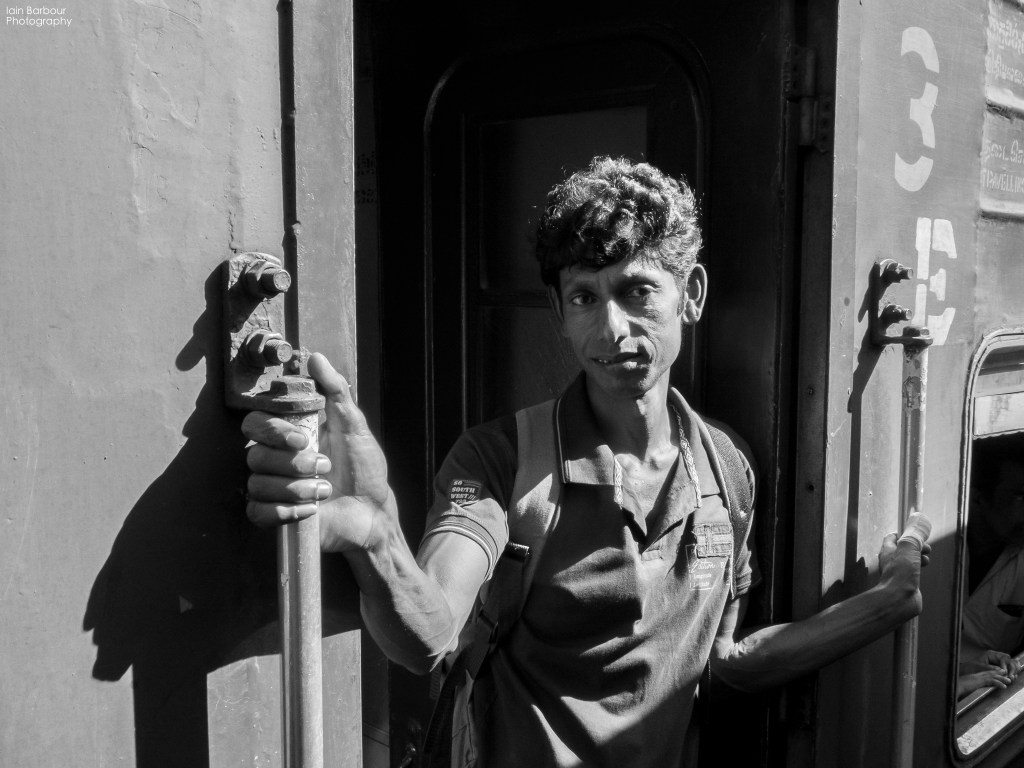
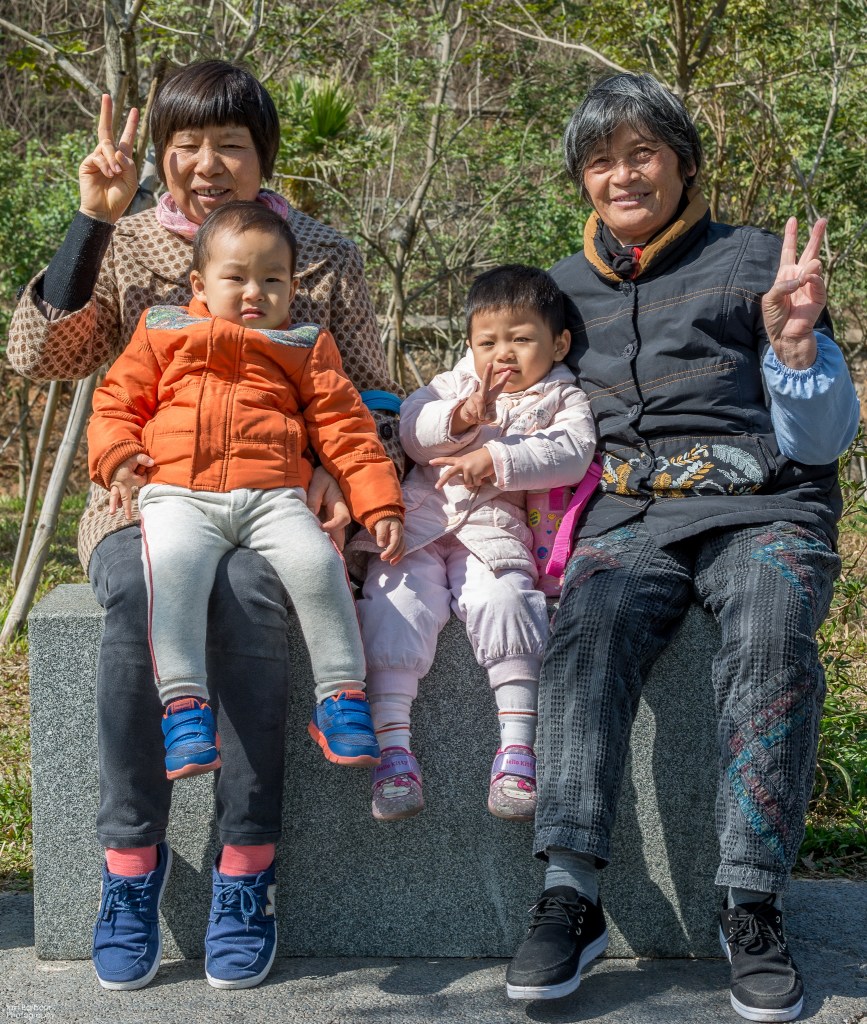
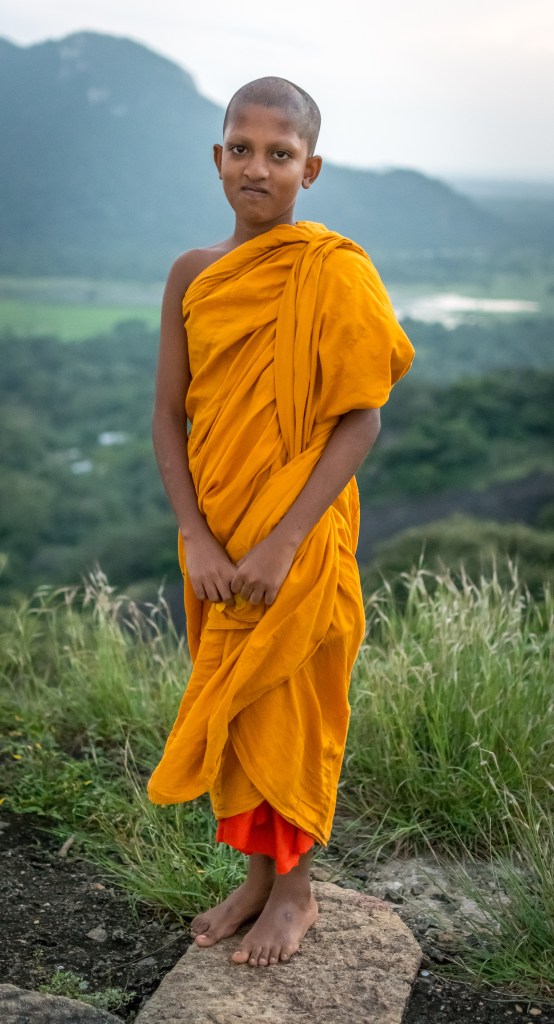
Struggling to think of an ‘ice breaker’ I can use on these strangers’, perhaps this is an approach I should adopt for this assignment. A possible theme could be based around foreigners’ visiting Edinburgh – the city I reside in. However, being able to communicate their nationality to the viewer may prove to be difficult. One idea I have, is to use the GPS coordinates – specifically related to the city or town the subject is from – as a reference, which would support their portrait. I feel by using this method, there would still be some ambiguity surrounding each image, allowing room for interpretation by the viewer. I feel this method would be best suited as a ‘typology’ series, as each portrait will contain different, but relatable information. Having done some extensive research into photography projects using GPS coordinates, specifically related to portraiture, I’ve been unable to find anything documented. Perhaps, though, it would be more beneficial for my photographic development and confidence, if I were to bite the bullet, so to speak, and not specifically approach those who I believe to be foreign.
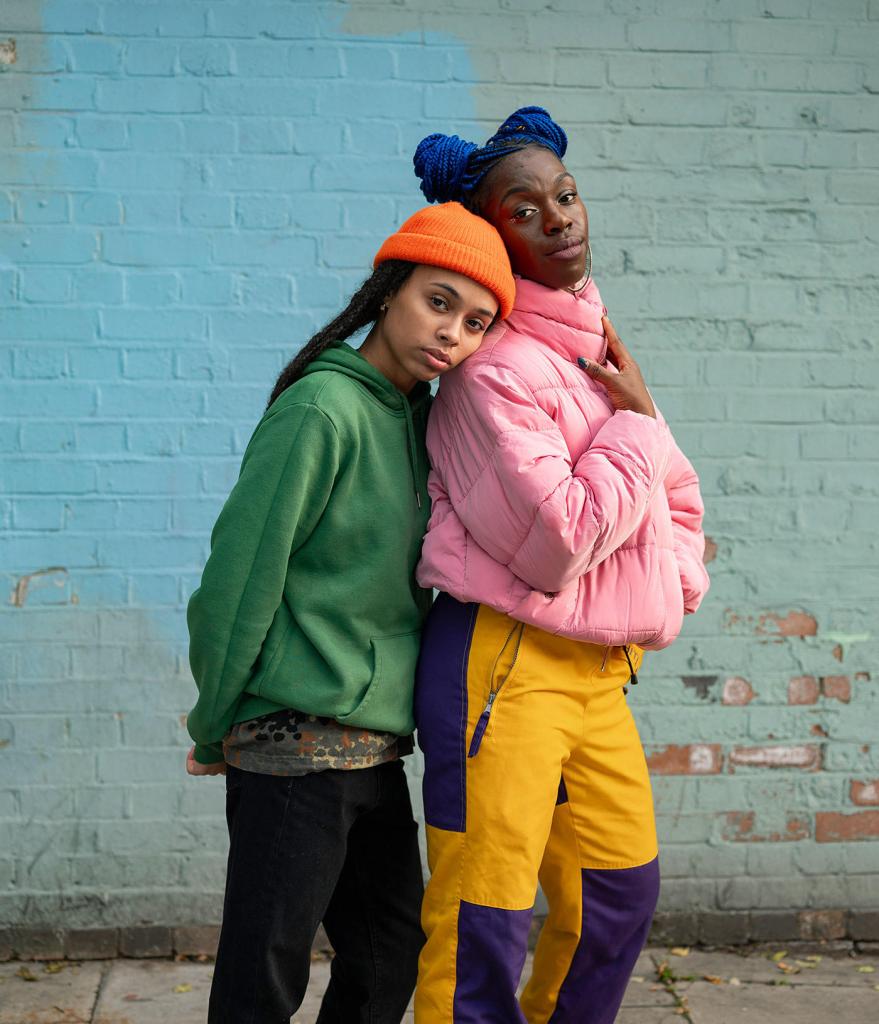
I have been doing a lot of research into Scottish photographer, Niall McDiarmid. His photography style incorporates documenting both the people and landscape of Great Britain and I feel his chosen practices, specifically surrounding his portraiture, are ones which I could apply within this assignment. The first thing I noticed when reviewing his portraits are how colourful and vibrant they are which, according to McDiarmid, “developed naturally”. Not only are the individuals’ clothing brightly coloured, but the intentionally chosen backgrounds are also, resulting in two or more subjects that often complement each other. McDiarmid has a desire to move away from photographing the “greys and muted tones that are so often associated with Great Britain” and I think that statement is certainly true in relation to where I live, especially at this time of year. I could adopt McDiarmid’s methodology and create vivid portraits, incorporating other important elements regularly seen in his work – shapes and textures – that are depicted as being in total contrast to what the individual is wearing. This I feel would work best as a typology series, with the underlying theme being ‘colour’.
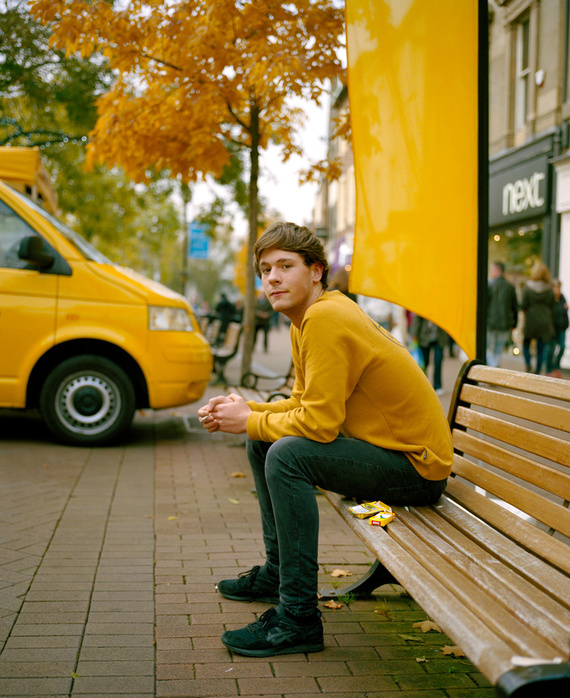
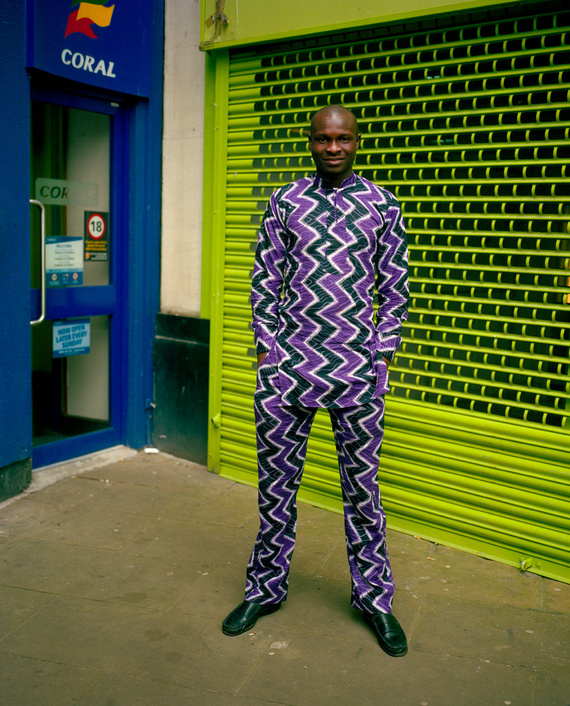
McDiarmid, also seems to have a natural talent for intentionally including objects in his portraits, which mimics a specific part of his subjects’ clothing. This is subtle, and only when the viewer studies the image as a whole, is it then realised. I’m not entirely sure what this technique is called, but it works incredibly well and is one I’m considering for this assignment. I think, though, this idea would be the hardest to achieve, as scenarios where both the individual and object are naturally placed together in unison, could be few and far between and with the limited time I have to photograph my subjects’, it could be an unrealistic undertaking.
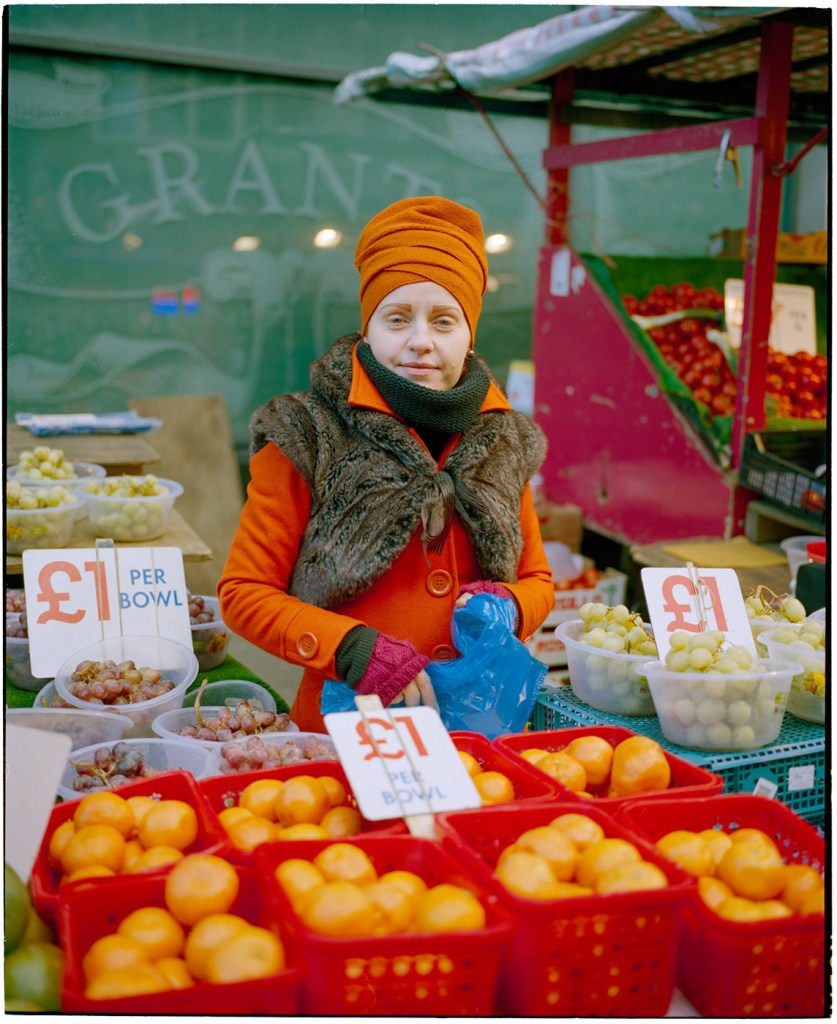
Oranges £1 Per Bowl, Surrey Street, Croydon – Jan 2016
I have been watching a lot of videos on YouTube on how to successfully photograph strangers’. I’m not interested in the photographic techniques they use and their final results, per say, but rather how they approach and interact with the individuals’. I’ve actually found the information to be incredibly useful and have noted down a number of key points which I plan to use when photographing my subjects’.
- Be friendly and explain what I’m doing (I think I’ll say something along the lines of “I’m a photography student and currently doing a project where I need to take a portrait of a stranger. Would you be happy if I took yours?”)
- If they say “No”, thank them anyway and move on.
- Don’t have my camera visible when I approach them, as they may get intimidated.
- Take a few photographs only (This is beneficial for two reasons. 1) Makes the experience less daunting and time consuming for your subjects’. 2) I will have a number of images of the same individual to choose from for my final selection).
- Give the subject some direction, if possible (It will make the process easier and more fun for them).
- Offer to send your portrait to the subjects’ (I think this is a great way to show your appreciation for their time and will be a nice memory for them).
In addition to this, I realise the importance of taking more than the required amount of portraits, which in this case is five. There is always the possibility that one of my images won’t be good enough for my final selection and to have alternative options available could prove to be helpful. Also, I will not be limiting myself to how many individuals’ feature within a single image. Some may argue that if I’m creating a typology series, the number of people seen within each portrait should possibly be the same throughout, but I would disagree. I feel that this point is irrelevant and shouldn’t be treated as being more important than the actual ‘types’ I wish to explore.
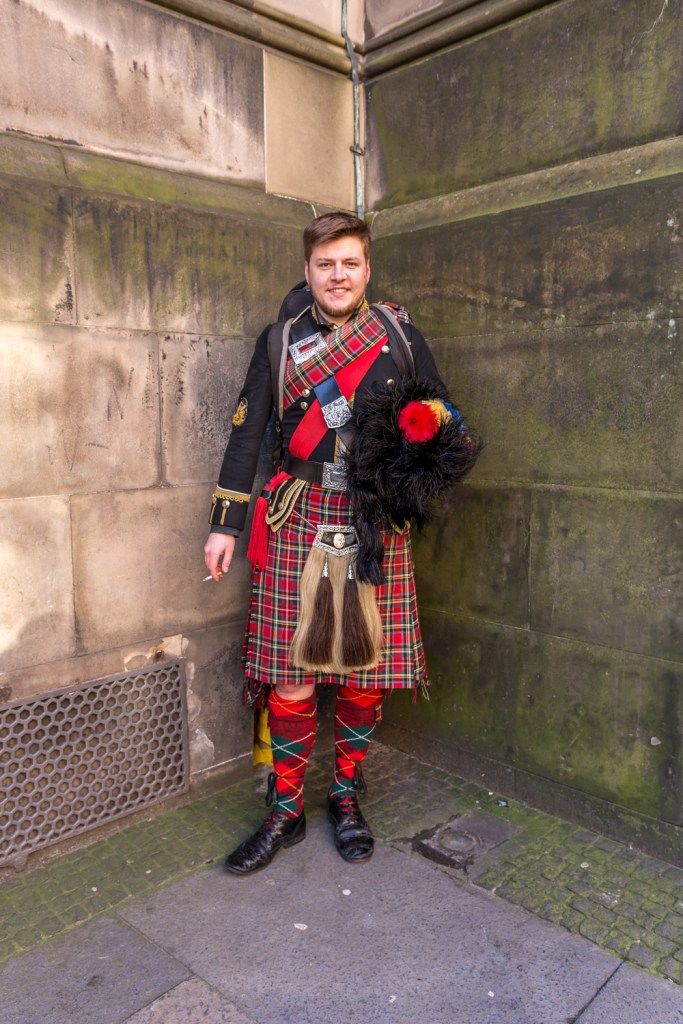
Today I was in town with my family and happened to have my camera with me. I was mainly taking snapshots of them and had no intention of photographing anyone else. However, as I past St Giles’ Cathedral, I saw a piper on his break from entertaining the tourists’, leaning up against the wall and smoking a cigarette. I thought it would make for a good image as the concept seemed quite comical. Whilst approaching him, I thought this would be a great opportunity, and practice, to ask him if I could take his portrait. My thinking was he must get asked that all the time so wouldn’t be phased by the idea. Unbelievably, I wasn’t nervous, and I calmly explained who I was and what I was doing. With a big smile he said “yeah man, cool.” I took one shot only – not sure why – thanked him for his time and walked away. After reviewing the image, I must admit, it’s not great and certainly not good enough to be part of a series. However, I don’t really mind, as this exercise was never about the end result and more to do with confidence building in regards to asking a stranger to take their portrait.
References
GPS Coordinates. (2020). “GPS Coordinates” [Online] Available from: https://www.gps-coordinates.net/
Niall McDiarmid. (2020). “Niall McDiarmid Photographer” [Online] Available from: https://www.niallmcdiarmid.com/
Lens Culture. (2020). “Faces of our times: The people of London” [Online] Available from: https://www.lensculture.com/articles/niall-mcdiarmid-faces-of-our-times-the-people-of-london
British Journal of Photography. (2018). “British Journal of Photography” [Online] Available from: https://www.bjp-online.com/tag/niall-mcdiarmid/
It’s Nice That. (2018). “Photographer Niall McDiarmid travels from town to town to capture the essence of Britain” [Online] Available from: https://www.itsnicethat.com/articles/niall-mcdiarmid-town-to-town-photography-170718

 Iain Barbour - BA (Hons) Photography