- The spectator’s gaze – the look of the viewer at a person in the image.
- The internal gaze – the gaze of one depicted person at another within the same image.
- The direct address – the gaze of a person depicted in the image looking out directly, as if at the viewer (through the camera lens).
- The look of the camera – the way the camera itself appears to look at people depicted in the image (the gaze of the photographer).
- The bystander’s gaze – the viewer being observed in the act of viewing,
- The adverted gaze – the subject in the image deliberately looking away from the lens.
- The audience gaze – an image depicting the audience watching the subject within the image.
- The editorial gaze – the whole ‘institutional’ process by which a proportion of the photographers gaze is chosen and emphasised.
When we think back to an event we have attended, or, a holiday we’ve been on, it is often the case that we cannot remember every specific detail, or, moment that we encounter. I find it amusing when we hear the term “an unforgettable experience”, as I find the longer time passes, certain details surrounding it can become fragmented. As we know, photography is a fantastic way to rekindle those memories. When we revisit those images we took – however long ago – we usually have the ability to take ourselves back to an exact moment and reconnect to that experience, which we may have struggled to do otherwise. This is very much relatable to John Berger’s theory that photography is able to create a loophole in time, connecting the moment a photograph was taken, to the time it is viewed – despite the length in between. Of course, this is a theory very different to that of Henri Bergson, who coined the term ‘pure memory’, which allows us to store away our memories essentially, and recall them when desired. I think though in regards to photography, Bergson’s theory perhaps should be err on the side of caution. I agree that most people will have ‘pure memory’, but those types of memories will certainly be limited. If, as photographers, we relied on this theory too often, the amount of photographs we would actually take would dwindle – unless it was being done, purely for others to see.
For this exercise, I have chosen five images that I took during my holiday in China, as due to the lockdown situation, I was limited in terms of subjects’. During my trip, I took a lot of photographs of people. However, my memories of what they looked like and how they were reacting in the images had been forgotten. I saw this as an interesting opportunity to revisit these images and specifically look for the different gazes that were evident, but unbeknown to me at the time of taking the photographs.
The internal gaze
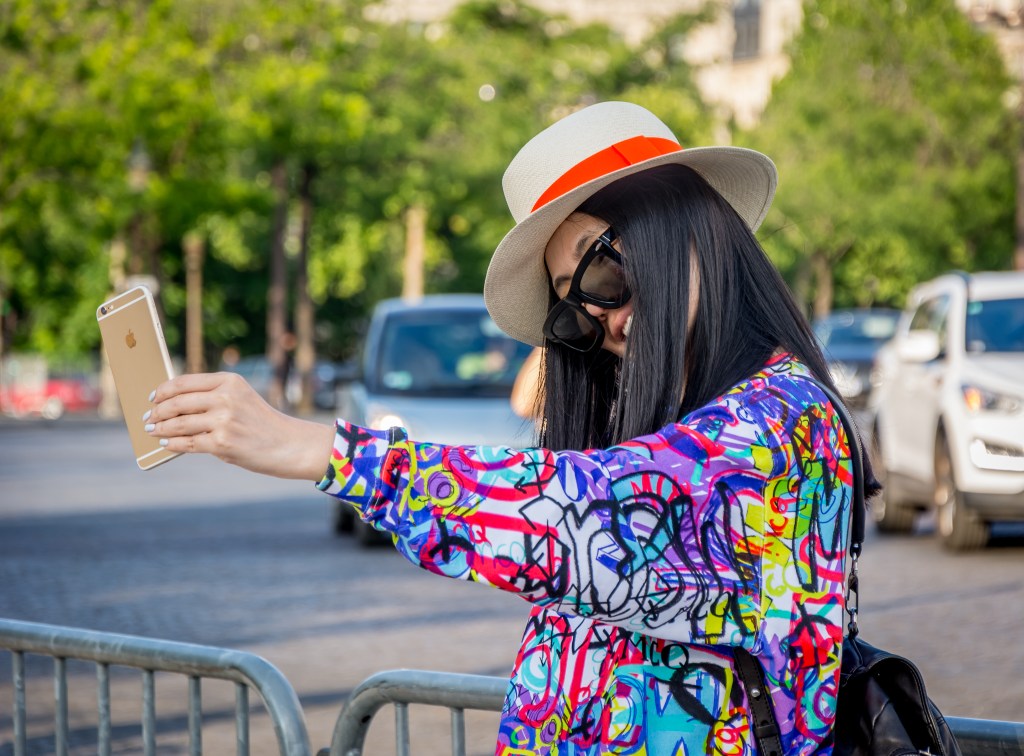
Although there is only one person evident within the frame, what is being implied here is an interesting and clever take on the internal gaze.
The direct address
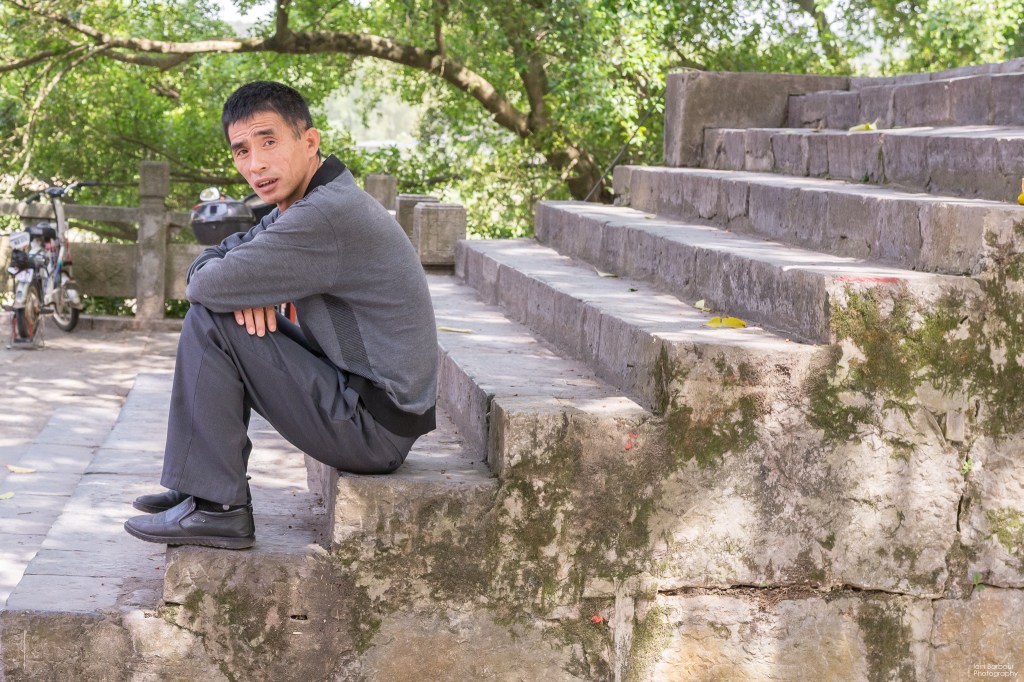
This image is self-explanatory, but non the less, a great example of the subject looking directly down the lens.
The look of the camera
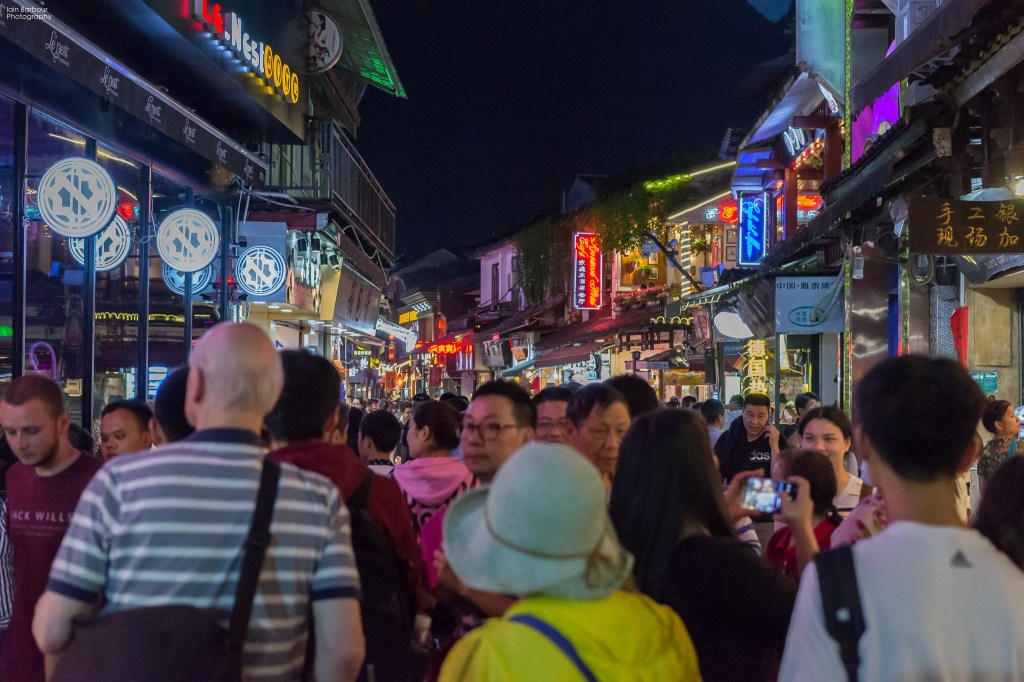
This image is effectively my gaze at those individuals’ within the scene. Taking into consideration the height the photograph was taken and, the close proximity of the people, how will the viewer feel?
The Bystander’s gaze
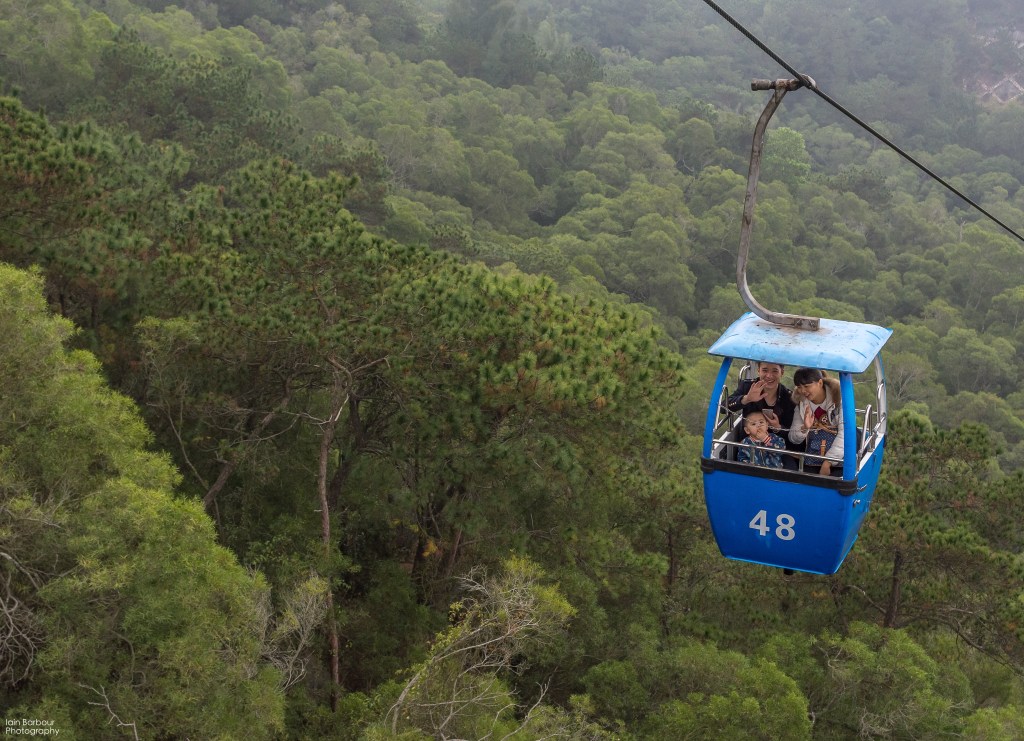
This is a subtle example of this type of gaze – possibly due to the distance between the camera and subject – but strongly depicts the main viewer – the little boy – being observed in the act of viewing.
The adverted gaze
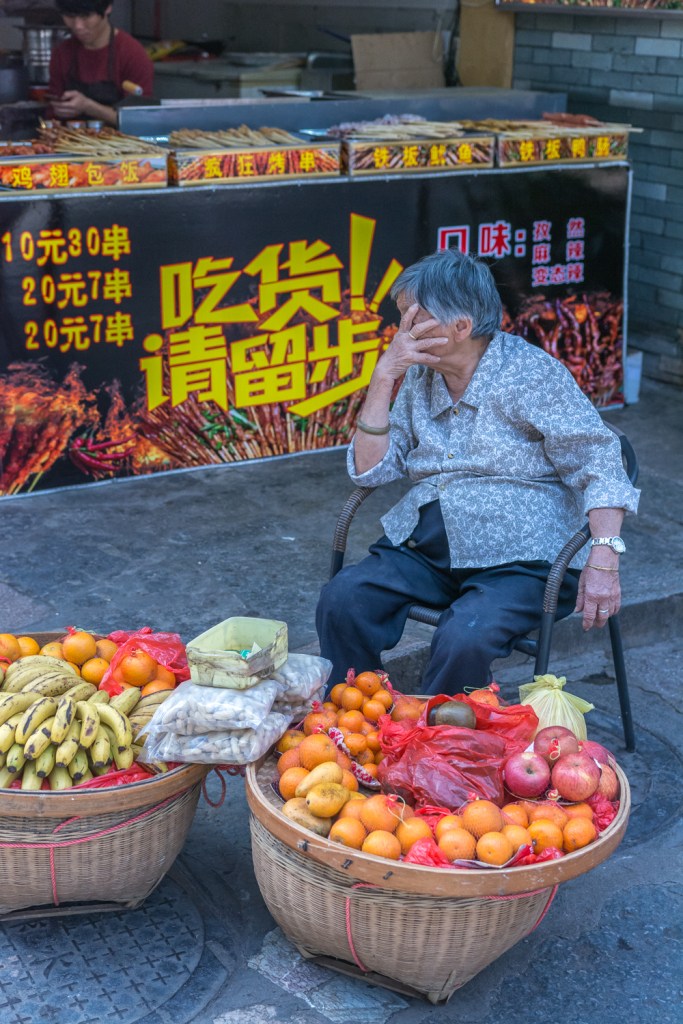
This shows a strong and, perhaps uncomfortable example of the adverted gaze, where looking away deliberately simply isn’t enough.
 Iain Barbour - BA (Hons) Photography