Exercise 3: Your Journey

Since going into lockdown, any important ‘journey’ that I would regularly make, came to an abrupt end. Up until a few weeks ago, when travel restrictions were lifted, my movements were confined to my local area. However, I certainly can’t complain in that regard, as I was spoilt for choice, with a number of beautiful walks nearby. But, there was one particular journey that I, along with my family, would make more than any other. And, now looking back on it, I believe made the event of lockdown much easier to accept.

I’m fortunate enough to have my parents live just around the corner from me, which I always consider a blessing, but perhaps even more so, over the past few months. This enabled my family and I, to visit them often, and use their garden as a safe space for us to play and get some much needed ‘outdoor time’. Not only was this beneficial to my family, but for my parents also, who were able to see – though only through a window – and talk to, in particular, my children.

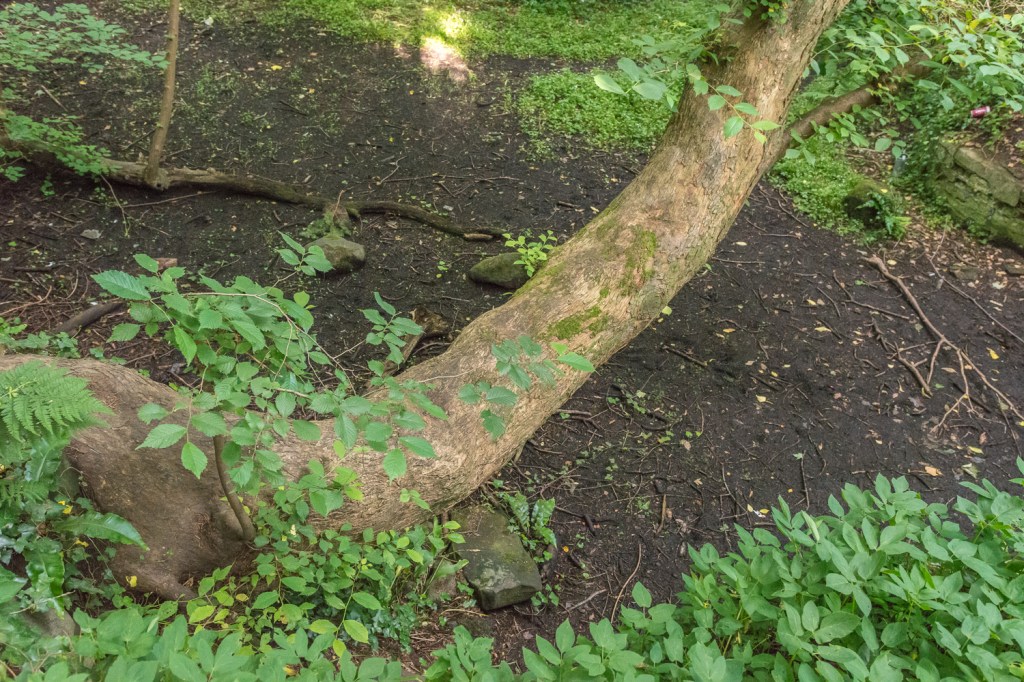
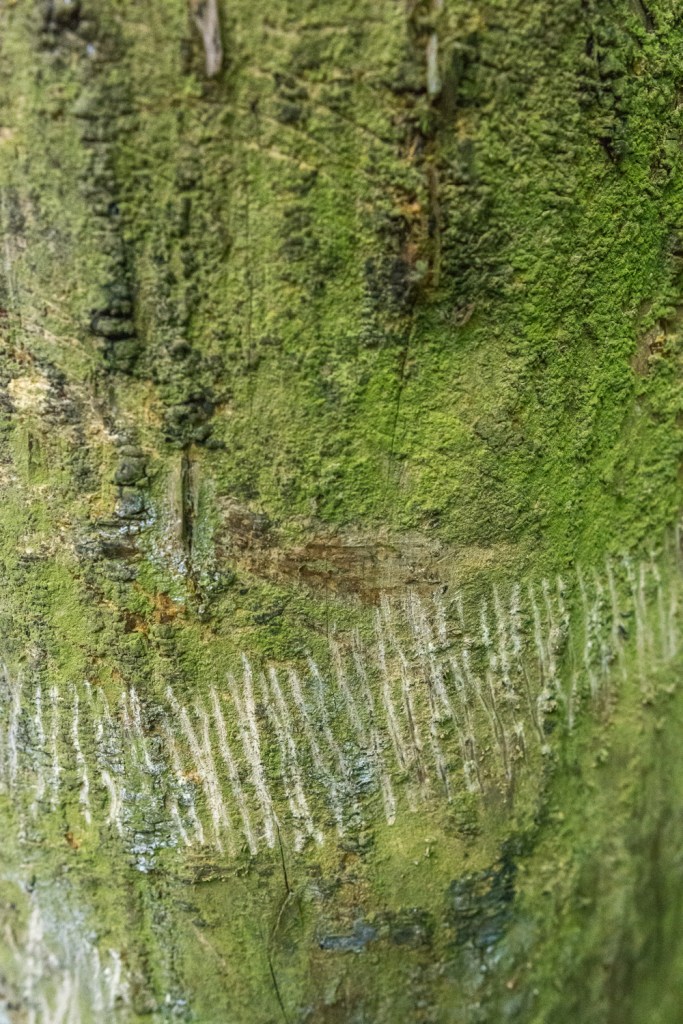
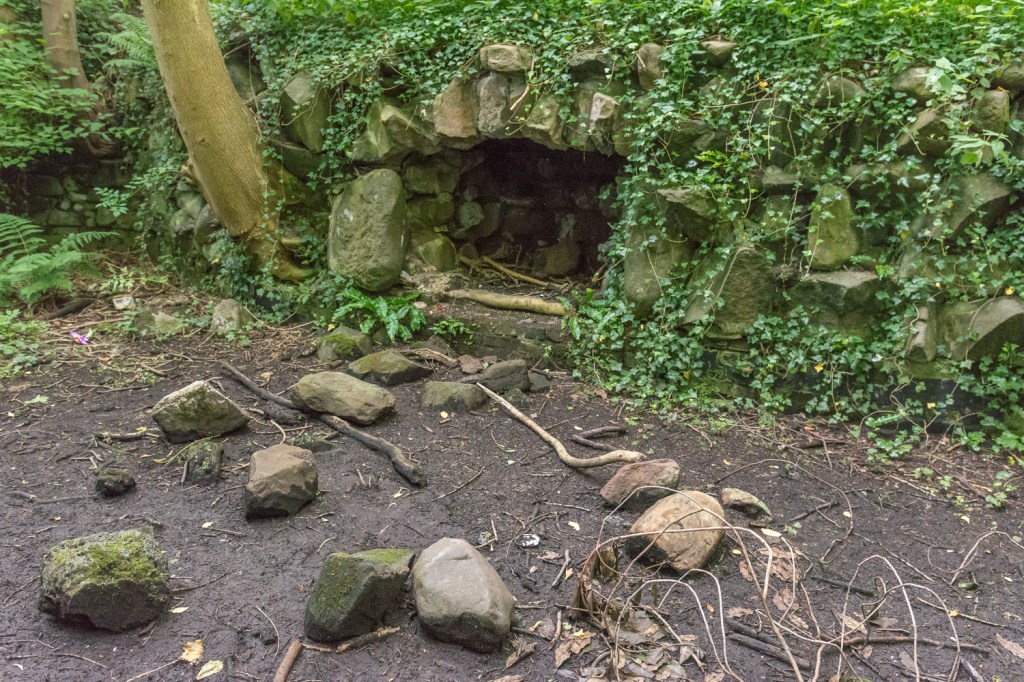
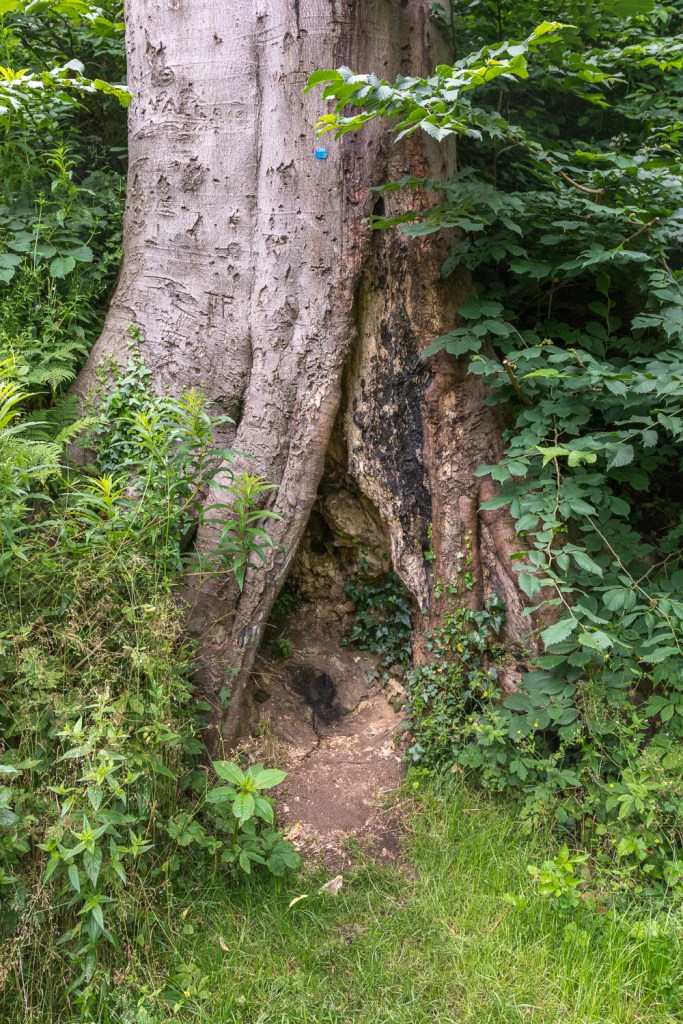
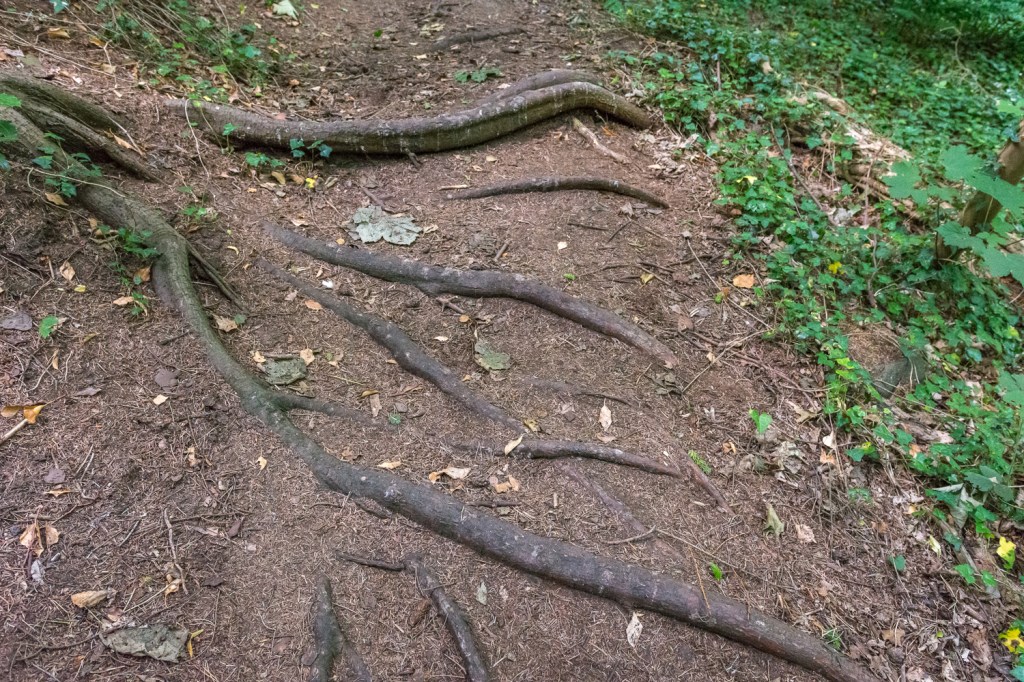
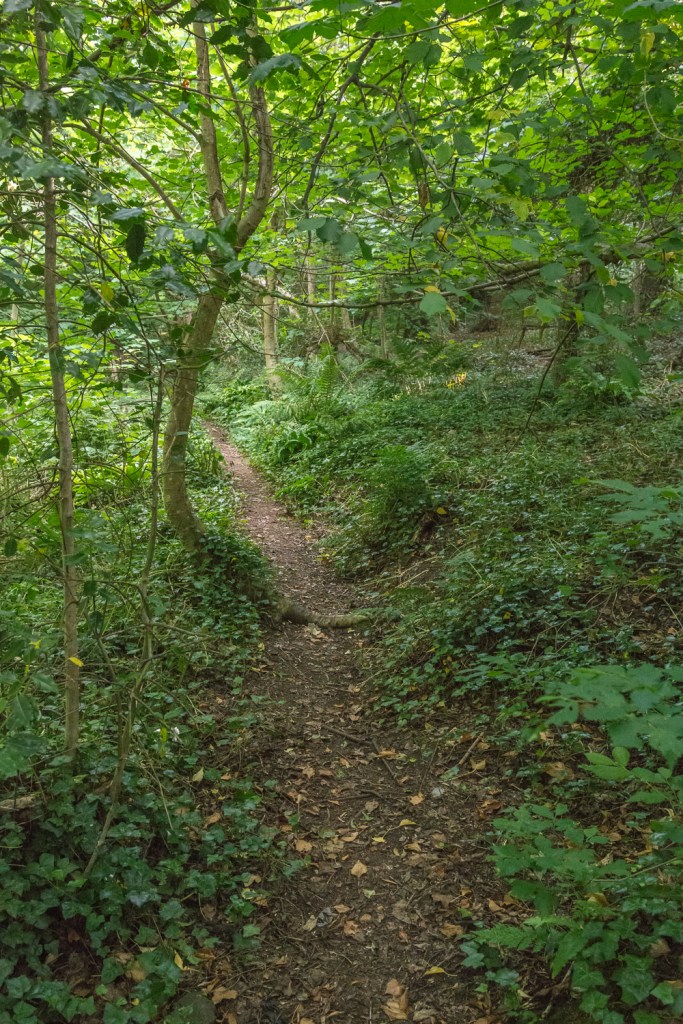
Though, the journey to my parents’ house takes all of five minutes, it certainly is an interesting route, full of things to see and do along the way, which often results in the travel time being extended considerably. As the majority of the path runs alongside the river – within a wooded area – there are a number of natural objects that we have gradually discovered, and incorporated into our journey, to make it more ‘adventurous’. The journey has now become almost ritualistic in the way it’s made – when the children are present at least – where each of these objects / locations, have to be visited, before continuing on to my parents’ house.

My photographs’ depict what most people would consider to be nothing more than elements of nature, as opposed to my family, who have used these elements in an imaginative way, to make a simple journey seem more captivating. 

Research Task: Journeys

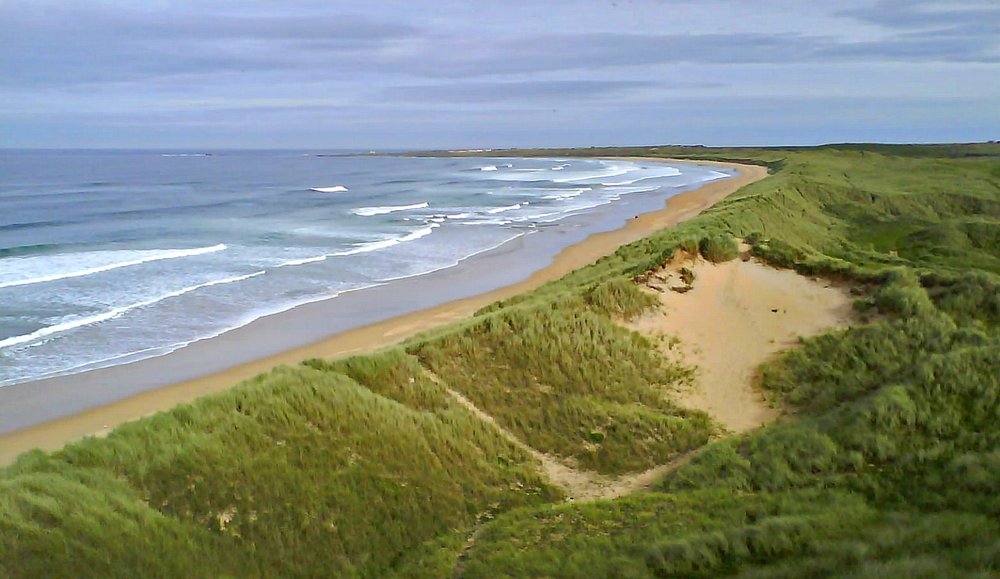
If time, and finances allowed, I would choose to travel around the coastline of Scotland, documenting the many beautiful beaches the country has to offer. My interest in Scottish beaches has developed considerably over the years, which I find peculiar, as I don’t consider myself as a ‘beachy’ type. I’ve always wondered why some people will spend hundreds of pounds travelling abroad, to sit on a beach, days on end. Of course, weather has a big part to play in this decision making, and even in the height of a Scottish summer, warm weather isn’t guaranteed.

When on my journey, I would document other beach goers, and ask them their thoughts on the ‘beach holiday’ and why they have chosen to visit that particular beach. The data I receive, could then somehow be incorporated into my work. I would also photograph the beach itself and the surrounding landscape, to explore further, the notion of what makes a beach ‘beautiful’. An interesting project I feel, could be to use digital editing techniques, to create images’ that incorporate certain aspects of beaches from both abroad, and in Scotland. For example, if palm trees were evident at the beach below, would it instantaneously become more appealing?        

Exercise 2: George Perec

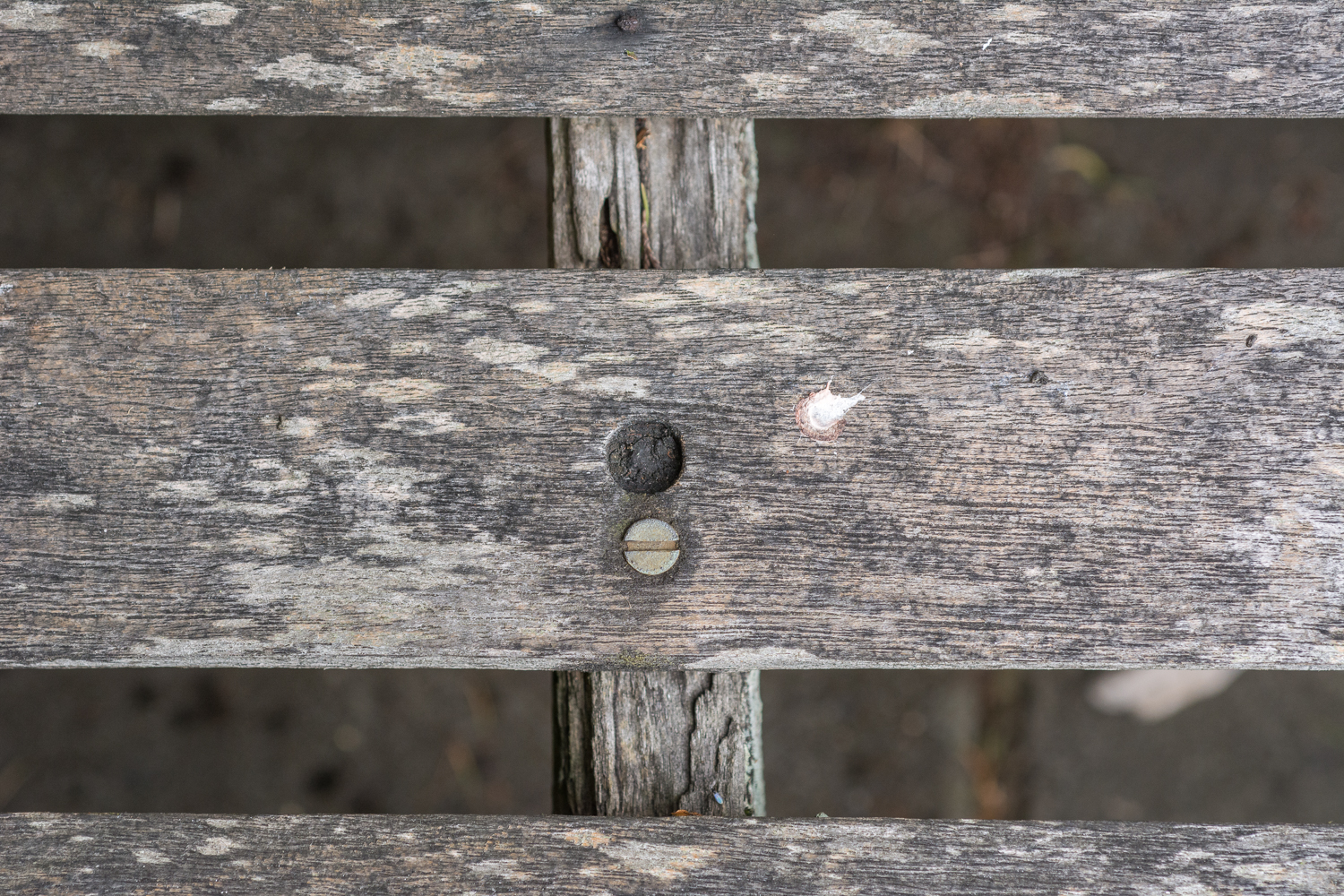
From my bedroom window, I look out onto a communal garden, a car park, and drying green. There are a number of objects visible within these areas, which could be considered as both interesting, and perhaps, less so – certainly from a photography point of view.

Garden

Trees and shrubs, grass, garden bench, detritus, blue skies and white clouds

Car Park

Cars, drain cover, stone chippings, wall, hose, tarmac road,

Drying Green

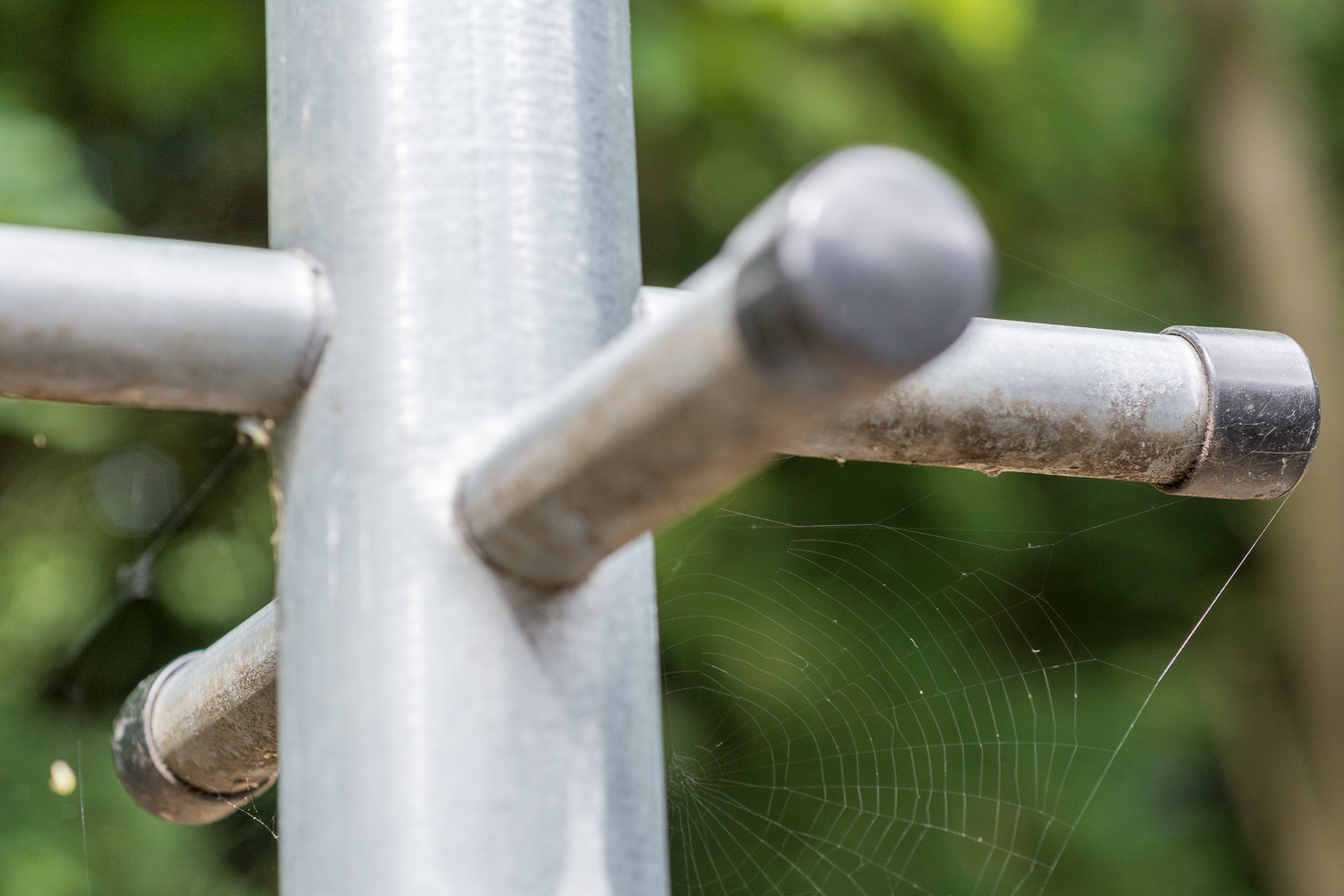
Clothes line poles, wooden fence, trees and shrubs, concrete slabs

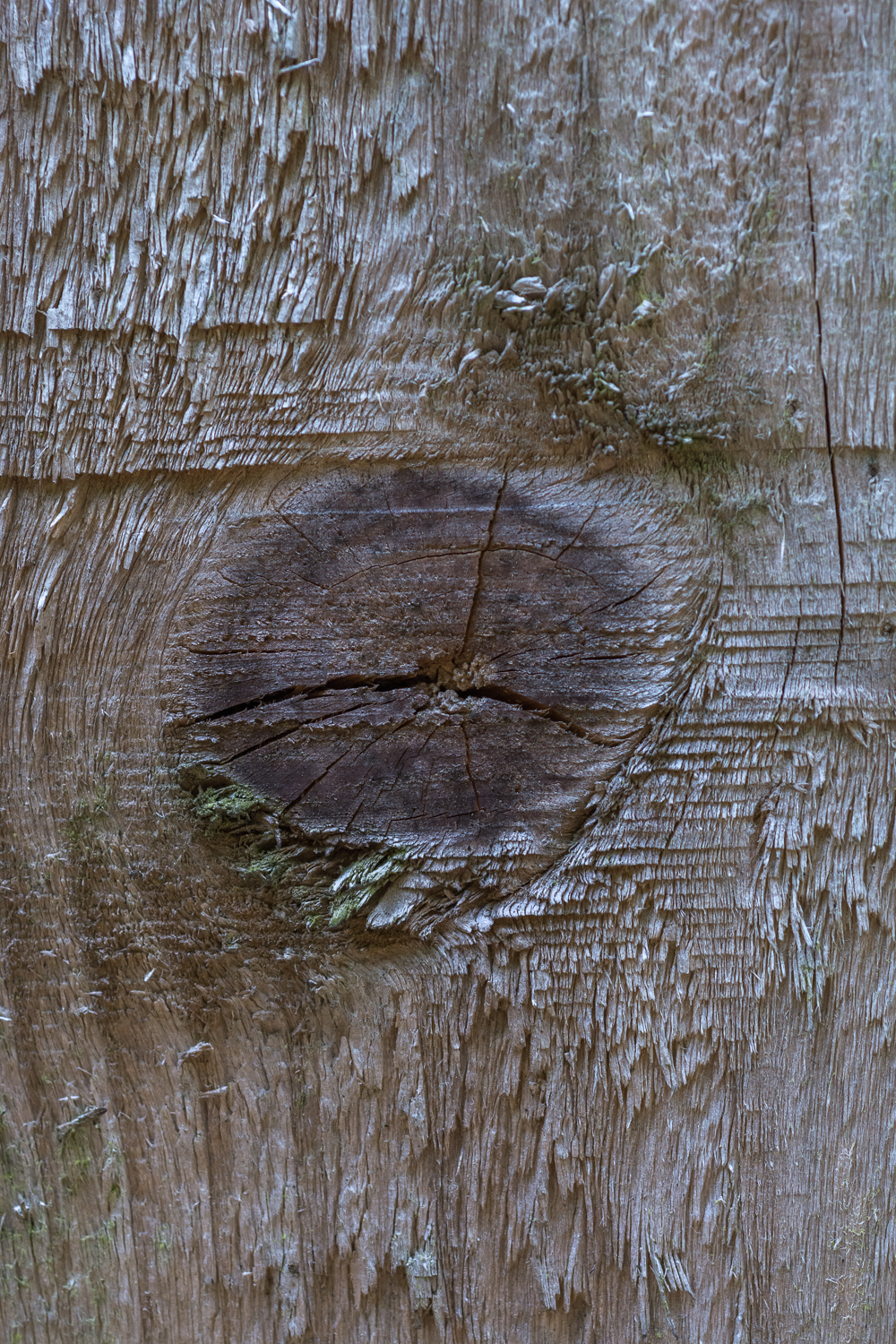
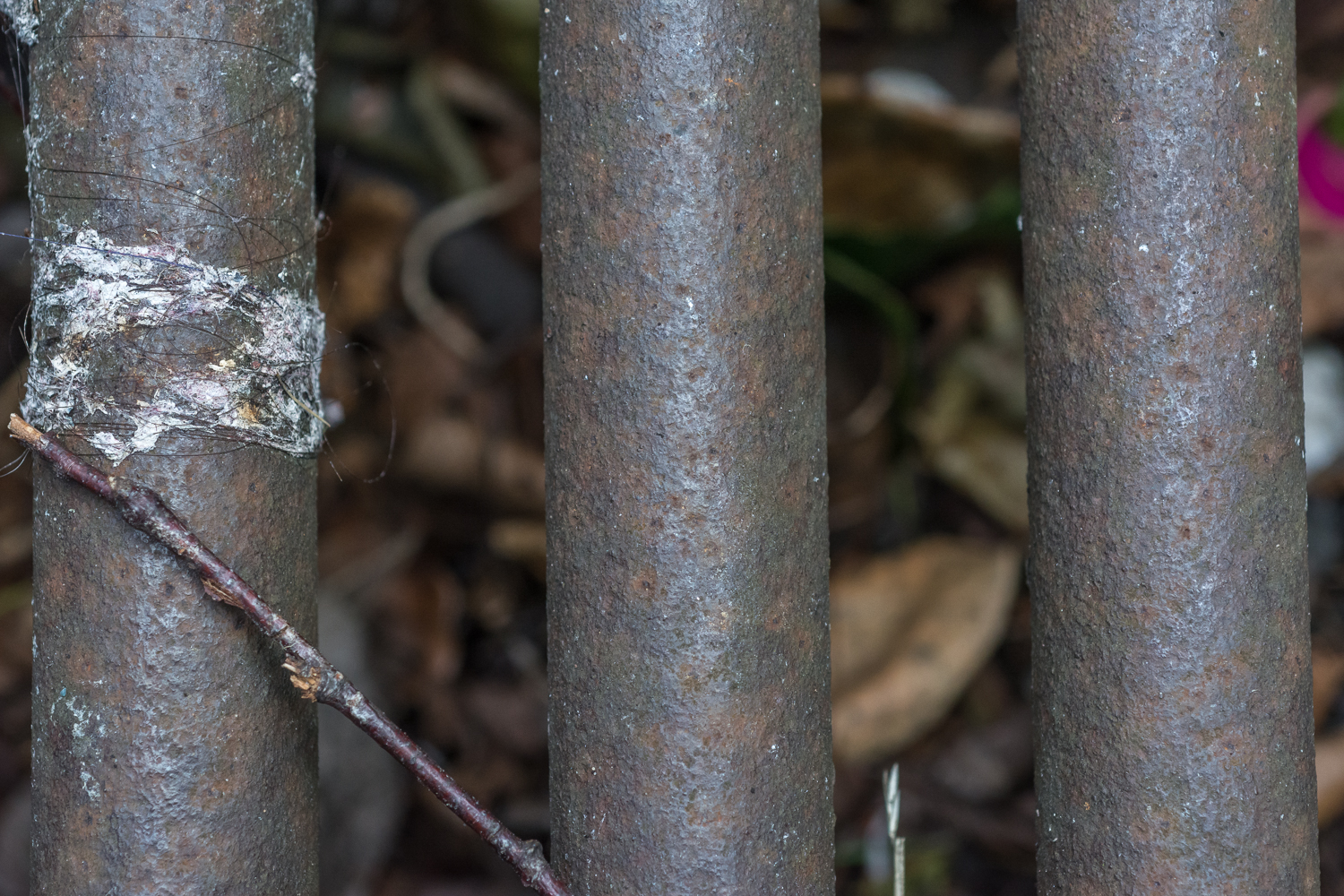
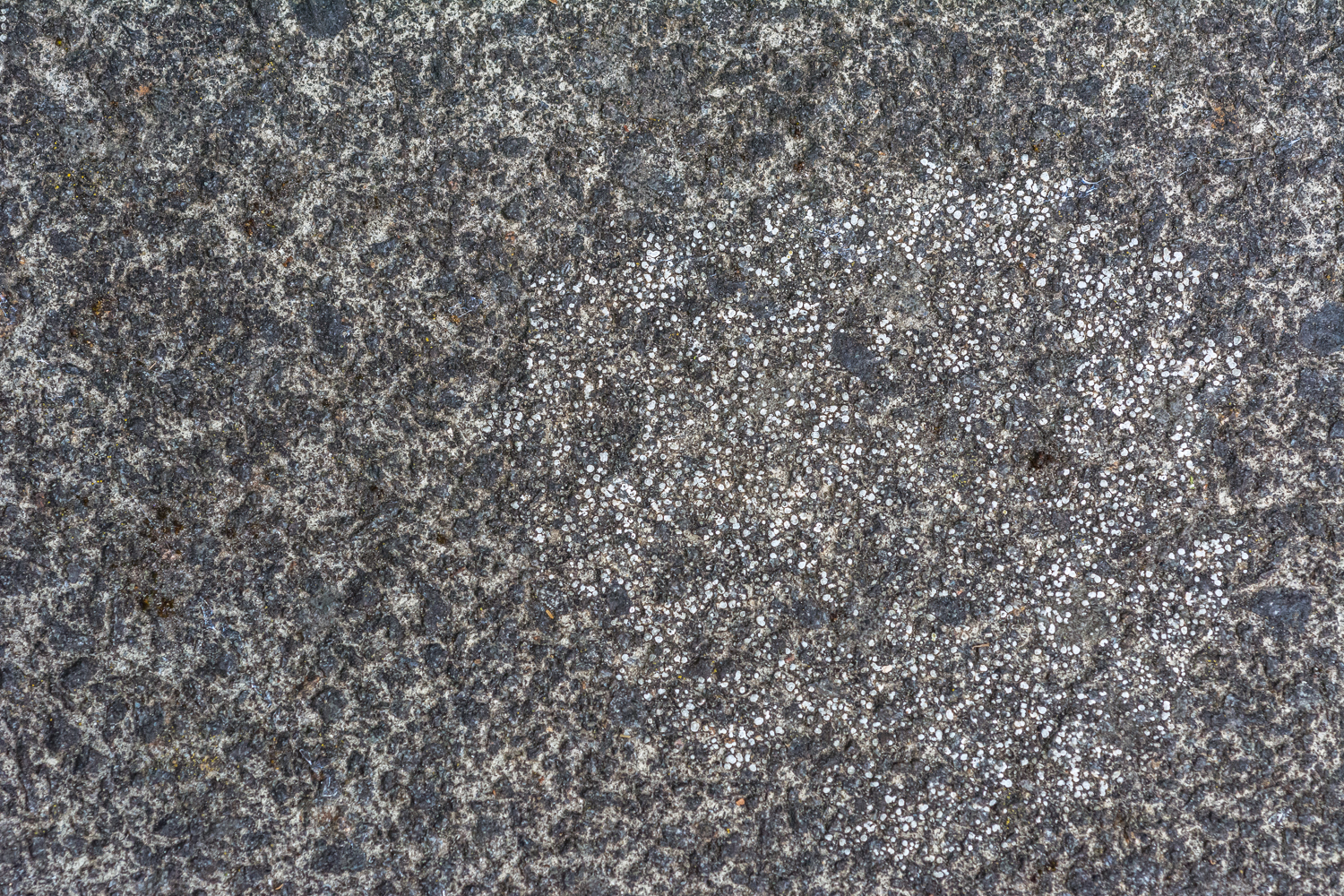
Of course, it’s possible to photograph any scene that is presented in front of you. However, depending on how you photograph it, will ultimately affect how the image is seen, and interpreted by the viewer. This in turn, could affect the photographers intended meaning, so knowing prior to taking an image, or images’, what you hope to achieve, is vitally important. For example, do you want to capture the whole seen, depicting all objects in one frame – though perhaps less obvious. Or, take a series of images’, showing a number of objects in greater detail, in order to paint a bigger picture of the scene you have witnessed.

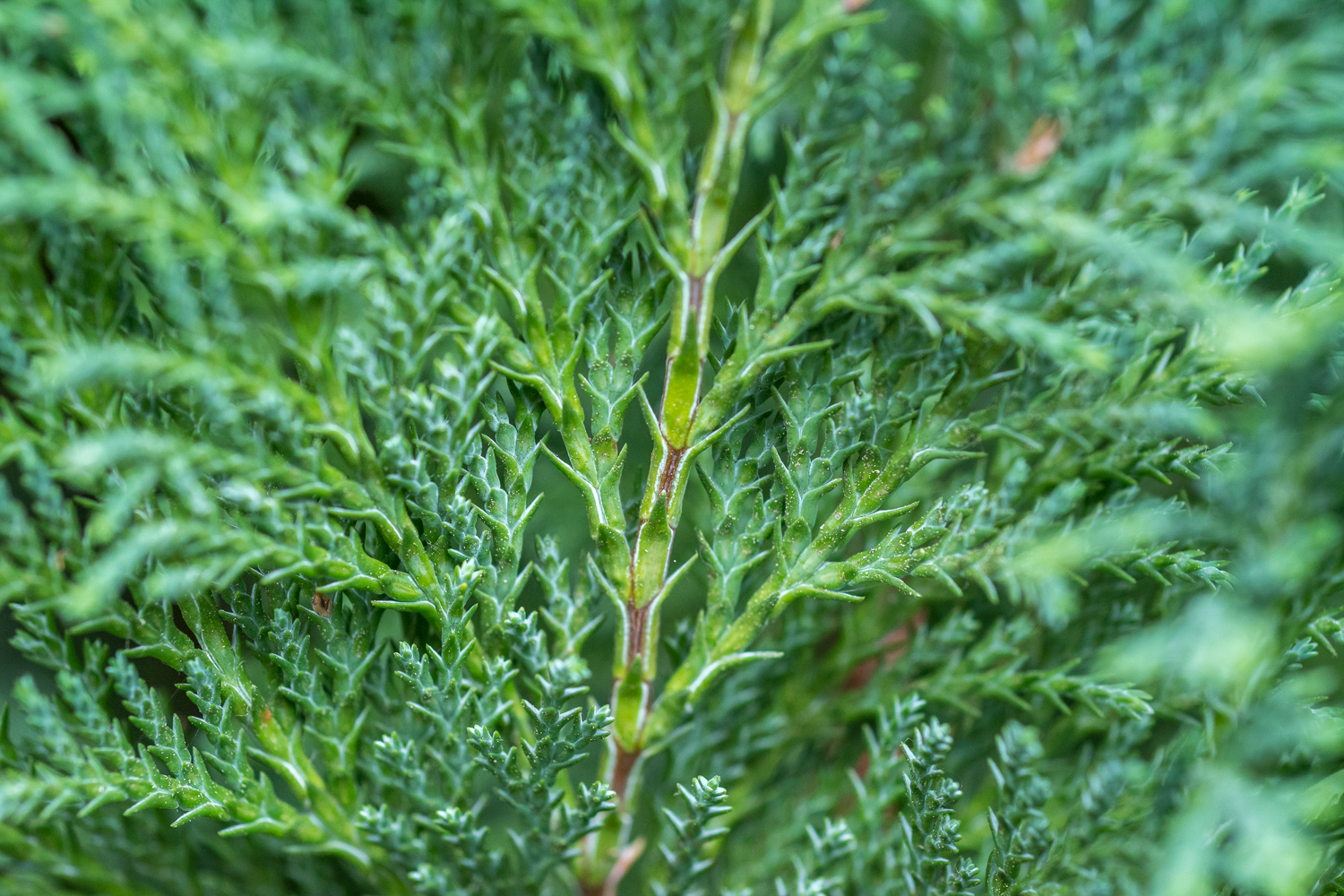
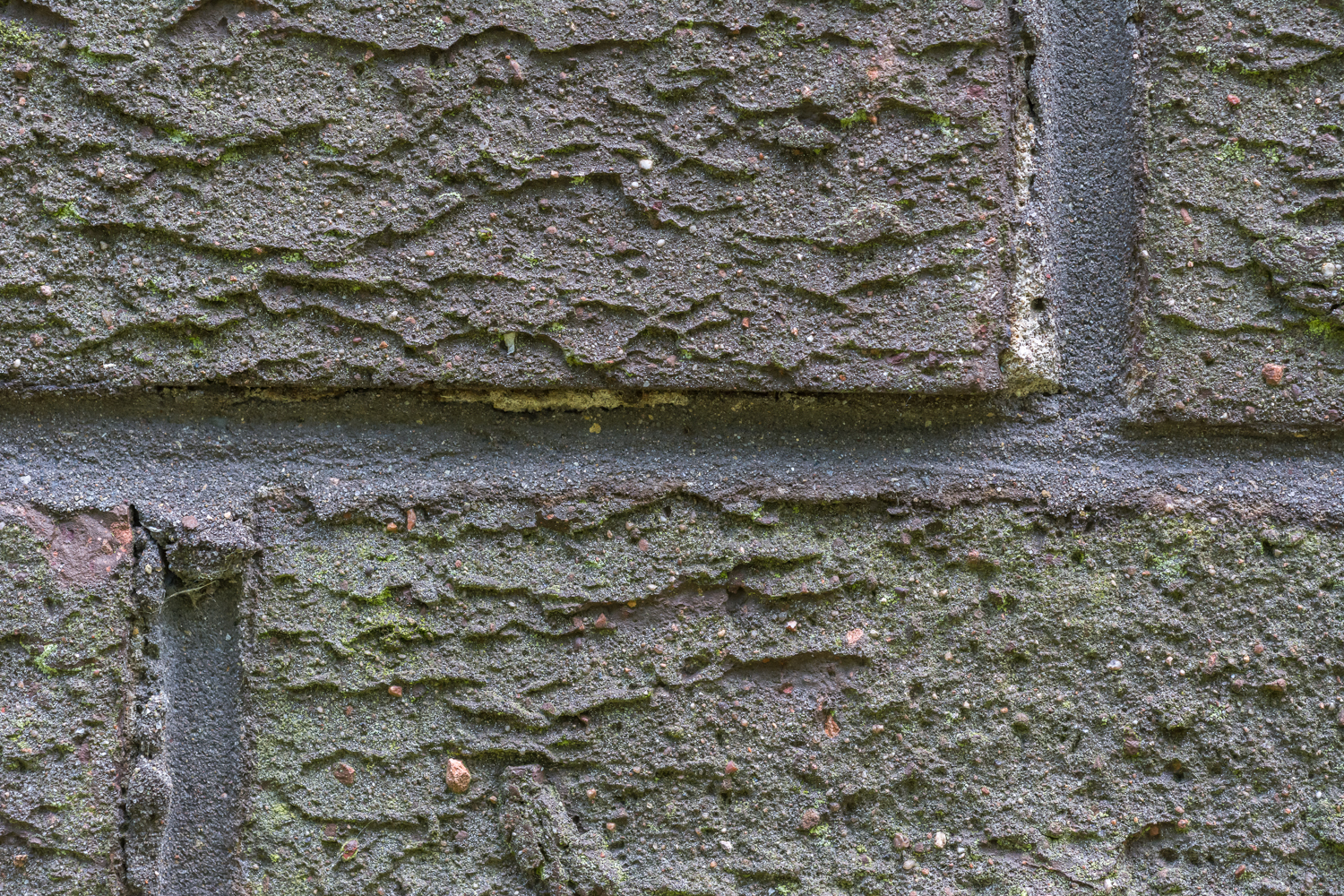
For this exercise, I actually went a step further, and decided to create a series of macro images’. I wanted to see how easy it would be, to have a better understanding of what the overall scene looked like, based on the individual images’ being presented together. Would the viewer be able to create a bigger picture of what can be seen from my bedroom window, or, are macro images’ – in this instance – inappropriate for the scenario? On reflection, I don’t think it does work. I believe by opting to take macro images’, the intimacy in which I have created, has also formed a sense of obscurity surrounding some of the photographs’. Whilst some of the images’ are more obvious in regards to what is being depicted – despite the close proximity – others are not. I think for this notion to work, I would need to photograph complete objects, rather than ‘parts’ of them. I think the series works best being presented in colour, as some of the objects become more abstruse when viewed in monochrome – which certainly isn’t my intention. I think to help the viewer interpret the scene, text stating what each object is, would need to support each image.      

Research Task: Your Environment

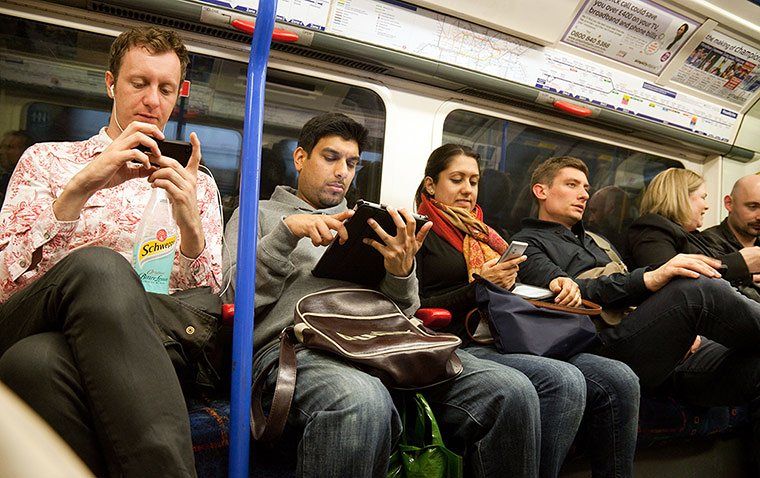
With the advancements in technology – especially surrounding mobile phones or tablets – for the majority of us, our days are spent glued to their screens, in order to watch movies, purchase items online, and perhaps most common, to check our social media. Statistics show that on average, we spend three hours and fifteen minutes a day, on our mobile phones. This may not seem a lot, but if we take into consideration that on average, a person sleeps between seven and nine hours every day, that statistic isn’t positive.

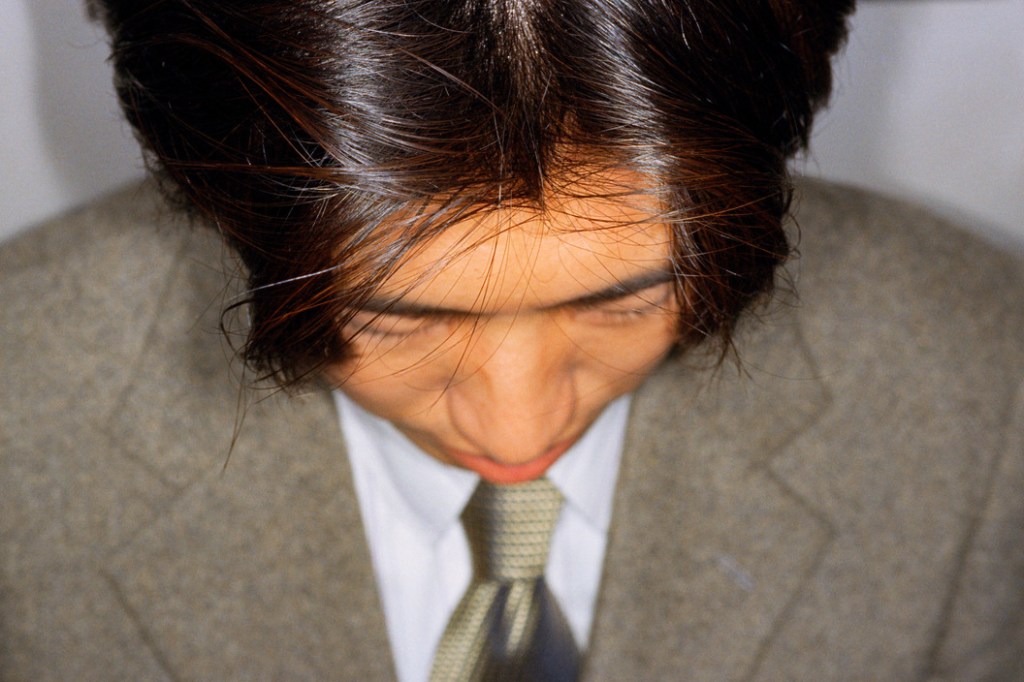
When I lived in London, I dreaded using the underground, but always found it to be such a fascinating environment, when considering human behaviour. You would think that a tightly packed carriage would be a social place. In fact, it was the total opposite. Looking down the carriages, it would be hard not to spot someone who wasn’t immersed in their phone. However, I cannot be too judgemental, as I too on many occasion, fell victim to ‘the screen’. I would like to think that this mass behaviour, is due to the fact that there isn’t anything of particular interest ‘underground’, and the act of being on one’s phone, or tablet, is merely an activity to pass the time. Unfortunately, I don’t believe this to be the case, and when specifically considering opportunities surrounding photography, there are many potential moments to capture memorable images’ – if we just look. We only need to refer back to Martin Parr’s work ‘Japanese Commuters’ for confirmation of this notion. Of course, smart phones were not around in 1998, so perhaps, individuals’ were more aware of their surroundings then, than they are now. However, this doesn’t take away the fact that Parr effectively took advantage of the environment he was in, and produced a series of fascinating photographs’ that many of us would miss – more so today.

I think in general, anytime we are concentrating on anything else that isn’t directly in front of us, we are missing a potential opportunity to capture that ‘decisive moment’, witness something that we may want to photograph later, or draw inspiration from to create a project. This would mean however, carrying a ‘professional’ camera at all times, which realistically, isn’t always practical. So, why not take advantage of the very device that could be the reason why these images’ aren’t photographed in the first place – a mobile phone.

References

The Guardian. (2019). ‘Shock! Horror! Do you know how much time you spend on your phone?’ [Online] Available from: https://www.theguardian.com/lifeandstyle/2019/aug/21/cellphone-screen-time-average-habits#:~:text=According%20to%20research%20from%20RescueTime,four%20and%20a%20half%20hours.

Magnum Photos. (2014). ‘Feature – Tokyo Commuters.1998Martin Parr’ [Online] Available from: https://pro.magnumphotos.com/C.aspx?VP3=SearchResult&ALID=2S5RYD12J76K

Pinterest. (2019). ‘150 years of the London Underground – in pictures’ [Online] Available from: https://www.pinterest.com/pin/552605816759206948/

Design a site like this with WordPress.com
Get started