For centuries there has been prejudices made towards individuals or groups, who are considered by those making those judgements, to be insignificant to them. As long as there are people on this planet and class systems present, this will never change. Though this attitude cannot be justified, I do think for the majority, the way they think or act towards these individuals is a direct result of their upbringing, lack of education and of course, the social group they belong to.
The reasons why these individuals’ or groups have been portrayed badly, or, unhelpfully, has of course changed over the years. But, could it be more difficult for these people in today’s society? I think it could be. I believe the media is a contributing factor and, we are seeing ever-increasing ways to portray these people – fairly or not – to those who may not fully understand the situation, or their circumstances and, who have the ability to make their feelings known to all at a click of a button. Its one thing seeing this negative and cruel attitude within the general public, but when “world leaders” such as Donald Trump are targeting these people quite openly, you have to think what hope do we have in eliminating this? What social group we belong to can of course help fuel this prejudice even further. The biggest challenge here I feel are the influences other’s within the same group could have on someone who doesn’t necessarily share their views – whatever they may be. I think it’s very common for these views to rub off on people, so to speak, the more you associate with them, and the cycle continues.
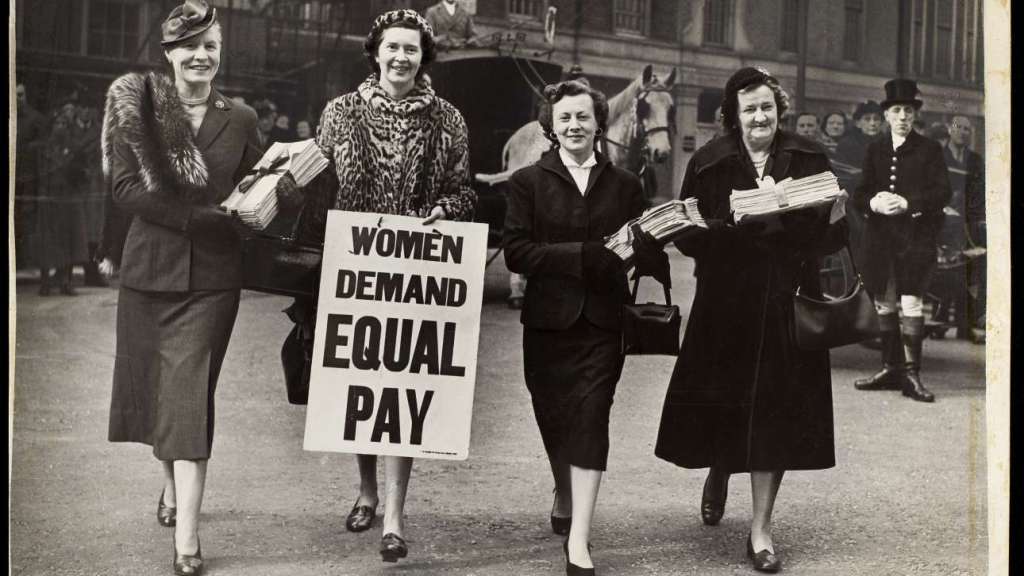
When it comes to incorporating this topic into your photography, I think the line of being insensitive towards these individuals’ and groups could easily be crossed. I believe the reasons why a photographer is wanting to explore these types of situations and people, will depend on how derogatory their work will be viewed by others. For example, are they choosing to photograph women in what could be considered ‘male orientated’ roles, to highlight that they can’t do the job, or, to emphasise that this is a serious issue and effectively promote a problem that needs to be addressed. Perhaps, what is chosen to be photographed surrounding these subject’s being discussed will also be of some importance. For example, if the photographer was doing a series on drug use, rather than images depicting the taking of drugs – which may promote negative connotations – showing the effects the use of drugs can have, for example, broken relationships, might create a more empathetic feeling towards the subject and those involved.
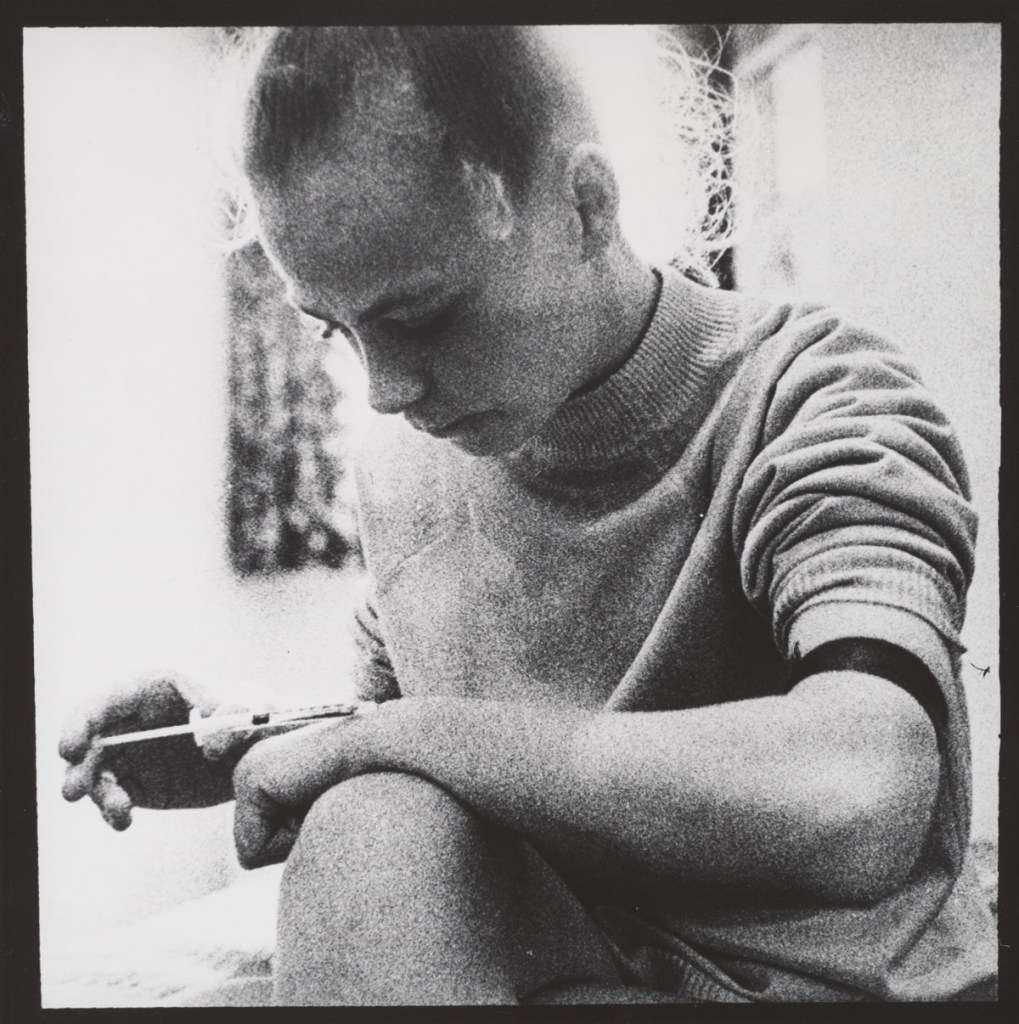
As a photographer, I think being involved with one of these marginalised or under-represented individuals or groups, would be extremely beneficial in how and why we take photographs of them. By allowing photographers to have a better understanding of those involved and build relationships with them, we can ultimately present them and the situation in an empathetic way. I believe being unbiased about the topics you are photographing is favourable, however, in this instance, it still leaves room for misinterpretation by the viewer, that could lead to prejudice. It would also make us – the photographer’s – reflect on how we would want to be portrayed if in a similar situation, and therefore, may be more selective in what we decide to photograph.
References
University of London. (2020). ‘Equal pay for equal work: Jill Craigie’s To Be a Woman’ [Online] Available from: https://london.ac.uk/news-and-opinion/leading-women/equal-pay-equal-work-jill-craigies-be-a-woman
On Curating. (2020). ‘Shooting Up in the Museum: Intravenous Drug Use in Brian Weil’s The AIDS Photographs’. [Online] Available from: https://www.on-curating.org/issue-42-reader/shooting-up-in-the-museum-intravenous-drug-use-in-brian-weils-the-aids-photographs.html#.XqH9OGhKjIU
 Iain Barbour - BA (Hons) Photography