Exercise 4: Archival intervention

If you think about how many photographs an individual takes during their lifetime, the number would be staggeringly high. Of course, not everyone owns a camera, but, with just less than half the world’s population owning a smart phone, not everyone needs one. With photographic technology coming along way since the first digital camera was produced back in the 1975, taking a ‘snapshot’ has become easier than ever. These days, most snapshots will be uploaded to a social media platform, commented on or ‘liked’ by a few, where it will slowly work its way down the list due to a constant feed of new images being uploaded. Other snapshots may only get a second glimpse before being deleted or stored onto a computer, only to be seen again months or years later. Of course, a lot of photographs, though technically individual, will be taken as part of a series. However, most photographs, at the time of shooting, won’t be considered as anything more than a ‘standalone’ image, not relating to anything photographed in the past or the future. But, if we look through our personal photographic archives, unintentionally, there are often images that are more interconnected than we first thought.

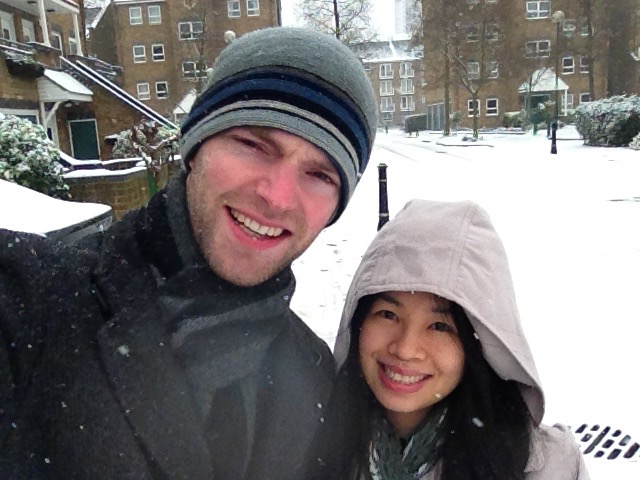
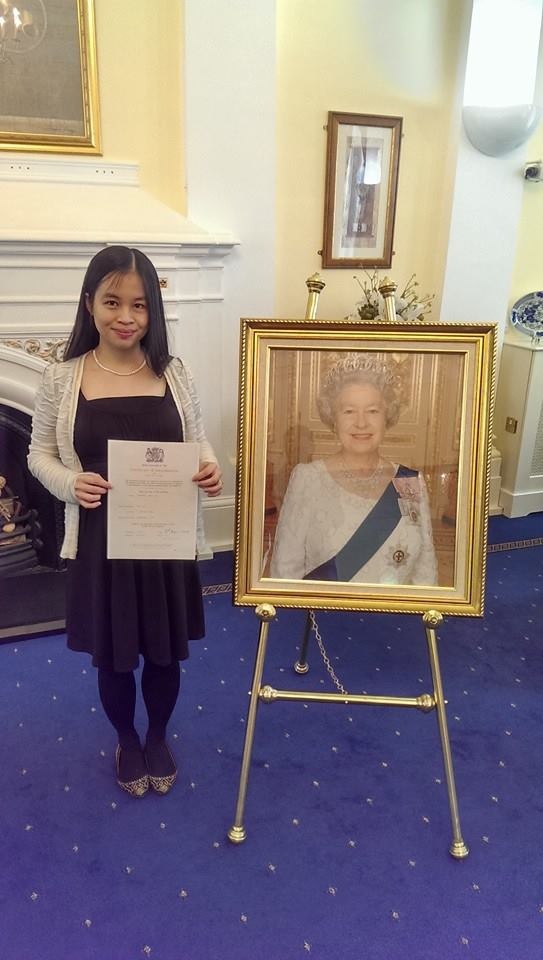
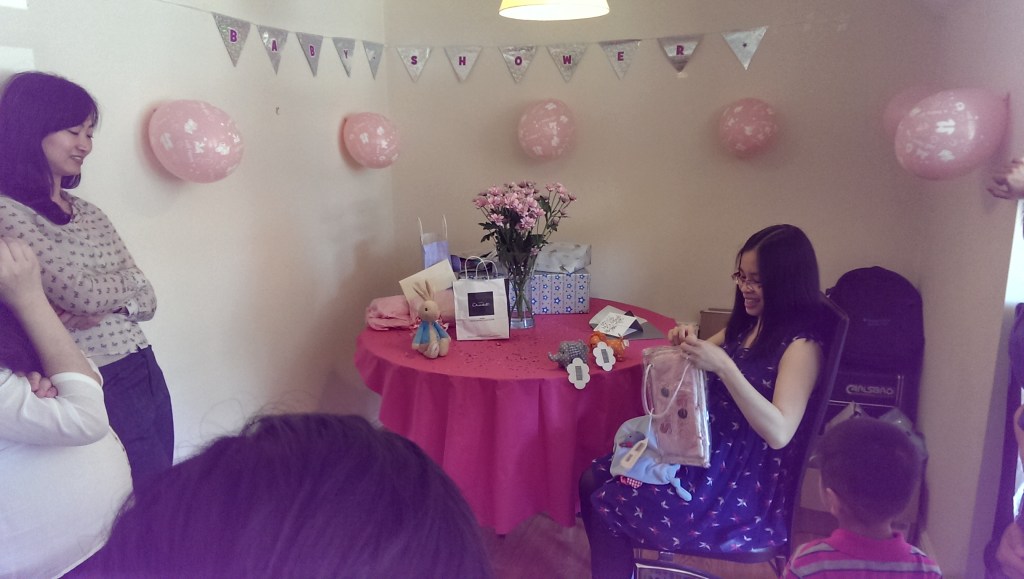
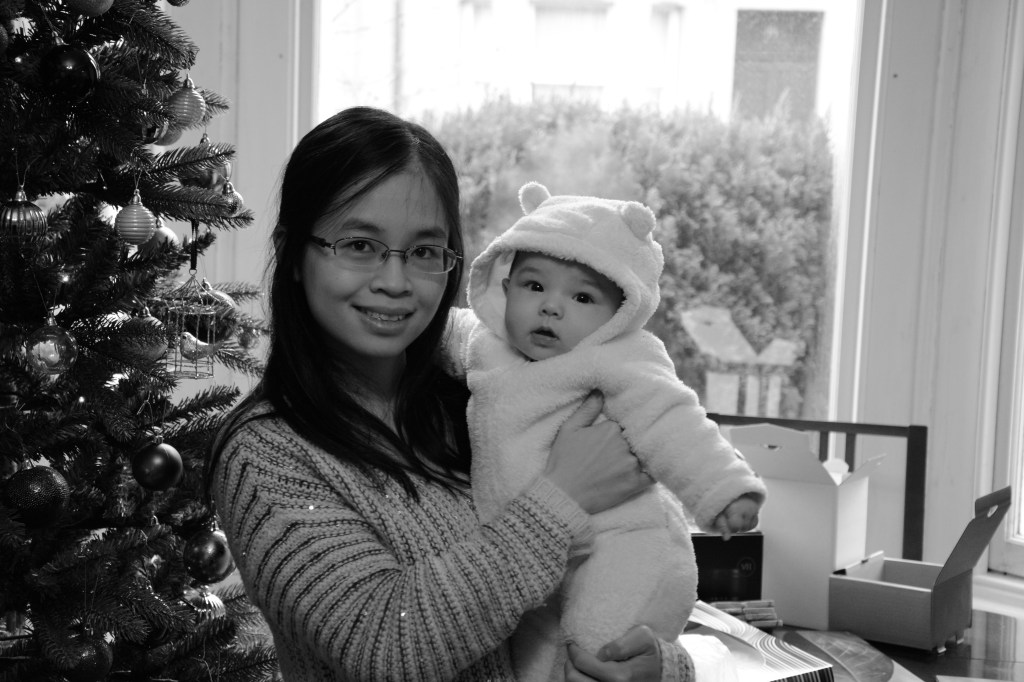
For this exercise, I have chosen five portraits that demonstrate the transition of my Chinese wife becoming westernised, showing evidence of new traditions, practices and experiences she has obtained over the years that aren’t usually encountered or custom in her home country. The images I have selected are shown in chronological order, from her childhood in China to just after our first child was born in the U.K. The images were taken by various people over a fifteen year period and at times, depict more than one person in the scene. However, one thing they have in common, is that my wife, Shan, is present in them all. The earlier images aren’t of great quality, as most were taken with smartphones that at the time had dated cameras. As the timeline progresses, the quality improves, reflected by the advancements in photographic technology. I actually don’t mind having poorer quality images in the series as I think it represents the passing of time incredibly well. Even though some of the images individually are obvious in regards to the events that are occurring, I do think the viewer would find it hard to interpret the true meaning behind the complete series. The image which I believe to be most ambiguous, is that of my wife standing beside a portrait of the Queen, holding up a certificate. This is actually her becoming ‘naturalised’. In other words, becoming a British citizen. Unless you had taken part or witnessed this process, the likelihood of understanding what is going on in this photograph would be difficult.  
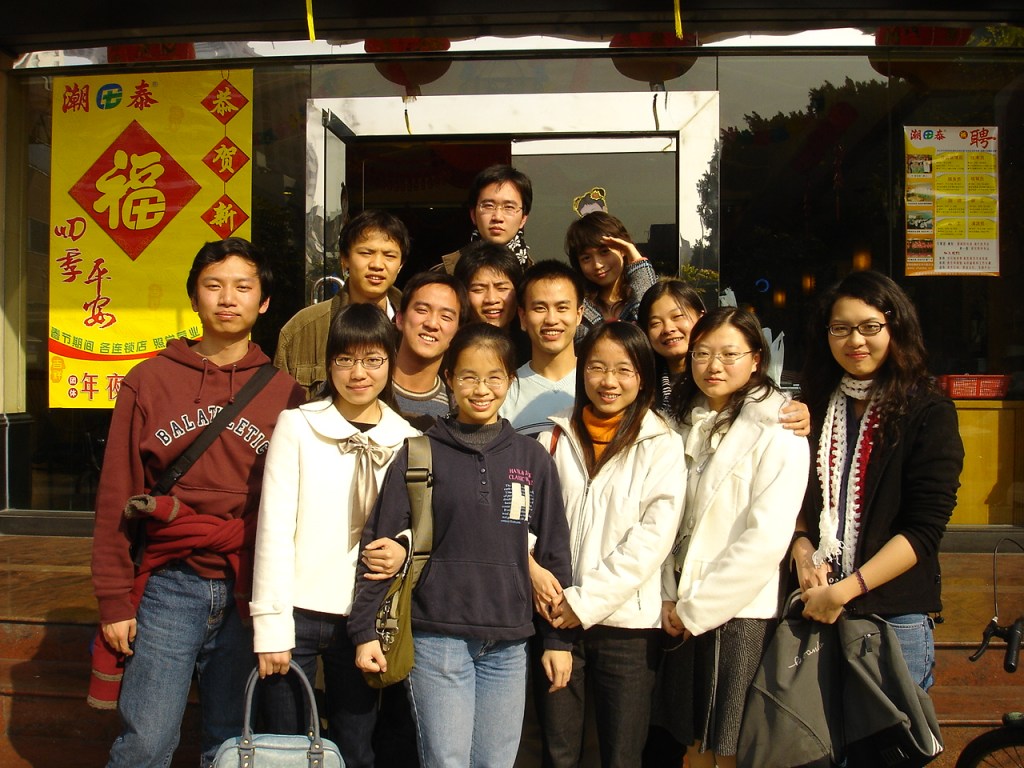
What I find interesting is that when these photographs were taken, they were done so to document that moment and nothing more. An opportunity for those present to relive that event as a memory perhaps. I obviously can’t speak for the photographers who took those images which I didn’t, but, I very much doubt, like myself, think they had the theme of ‘westernisation of a Chinese women’ in their heads when doing so. Before starting this exercise, I got my wife to view the selection of images I had selected and asked her what she thought the series was about. After some consideration, she believed it was showing important moments in her life. In a way she was correct, but, after I explained its true meaning, she was quite taken back. This is because she still doesn’t believe she has become westernised in the sense that she has forgotten everything about her Chinese heritage. This is certainly true and I hope she never does. But, I wonder, in another fifteen years, will the situation still be the same?
Exercise 2: Background as context – Portrait

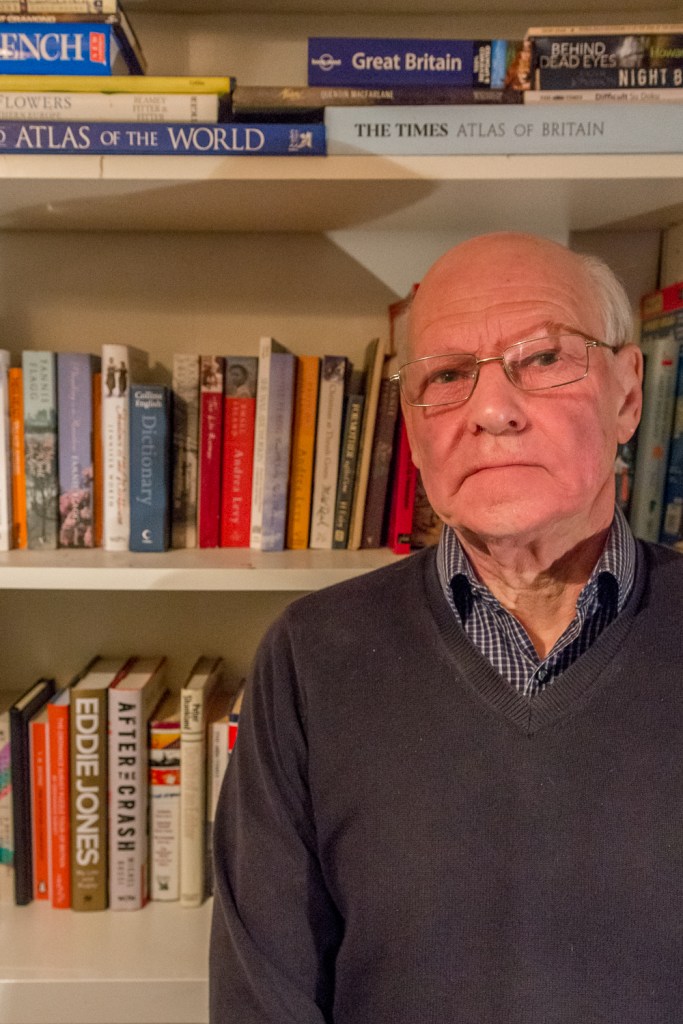
Growing up I always thought my father knew everything. To me, he always seemed to have the correct answers to the most difficult of questions. Of course, now that I’m older, I understand that my father doesn’t know everything but his general knowledge is still exceptional. Recently, I had a conversation with him regarding dementia. I appreciate this isn’t the most cheerful of conversations to have, but, one thing my father firmly believes is by keeping the brain active, more so in your senior years, you reduce the chances of developing a progressive neurological disorder. How true this is I don’t know, but, when I asked him how he does this, his response was “I read…..a lot”. I knew my father was an avid reader but once we had delved into the discussion further, I then realised how much of a ‘bibliophile’ he actually was. It was then I realised why my father knew so much. The books weren’t only keeping his brain active, but, constantly feeding it with information.

As I wanted the theme of ‘literature’ to be evident within the image and ultimately have this relate to the sitter in question – my father – I thought the simplest way to portray this would be to have him stand in front of a bookshelf. When considering the composition, I felt a portrait showing the full length of the body wouldn’t be suitable as there were too many distractions on either side. These distractions, I believed, would perhaps lead to misinterpretation by the viewer. Instead, I opted for a ‘tighter’ composition that meant I had to carefully consider the placement of the subject. As I wanted as many of the books in the background to be visible, I had to place my father to the side of the frame. When first viewing the image, my eyes are immediately drawn to the books on the left. However, I found that each row acts as a leading line to the main subject which, I must admit, was unintentional but I think works well. Though, I wanted to allow the viewer to have some insight into some of the genres my father is interested in, I purposely chose a wide aperture to blur out some of the written information on the books. By doing so, I think I have left some ambiguity as to what relation this man has with these books. For example, is he an author of one of them?

At the time of shooting, the lighting in the room was particularly bad. As I didn’t have an external flash, I needed to use a table lamp to illuminate my father’s face. Though, it did help increase the highlights, it was far too harsh and produced heavy shadows on both his face and neck and on the bookshelf itself. I were to take this portrait again, I would most certainly use an external flash with the bounce card to create a more even and less harsh effect.

Exercise 2: Background as context – August Sander

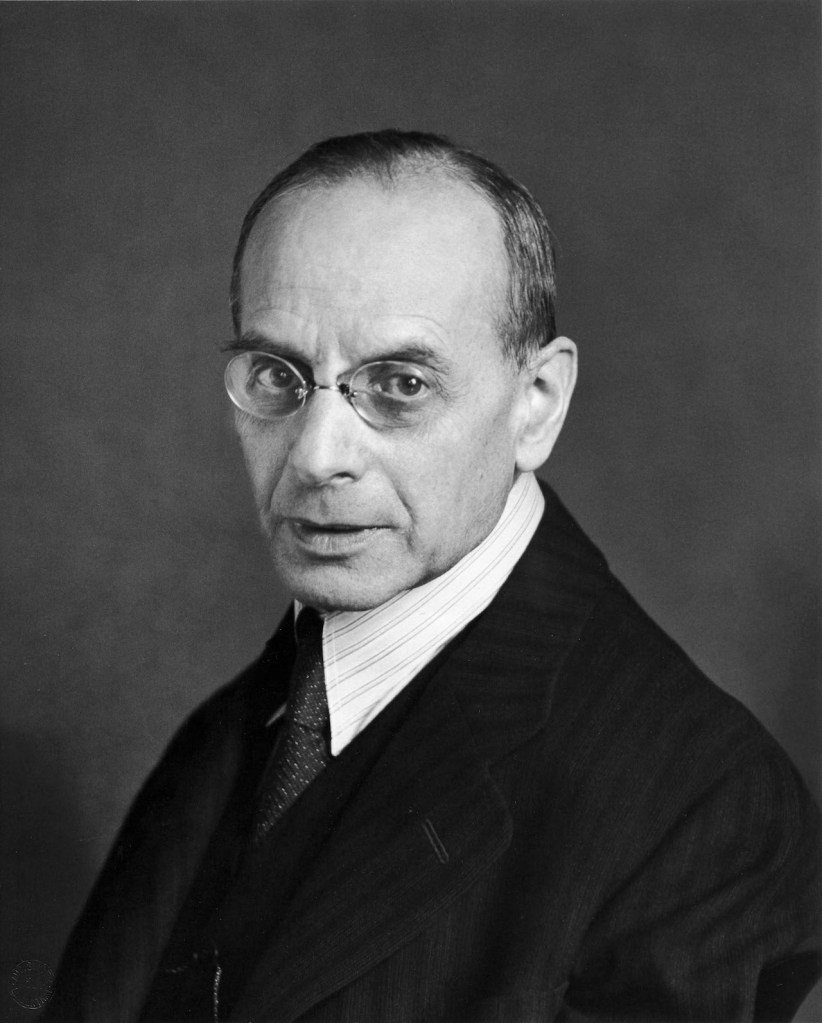
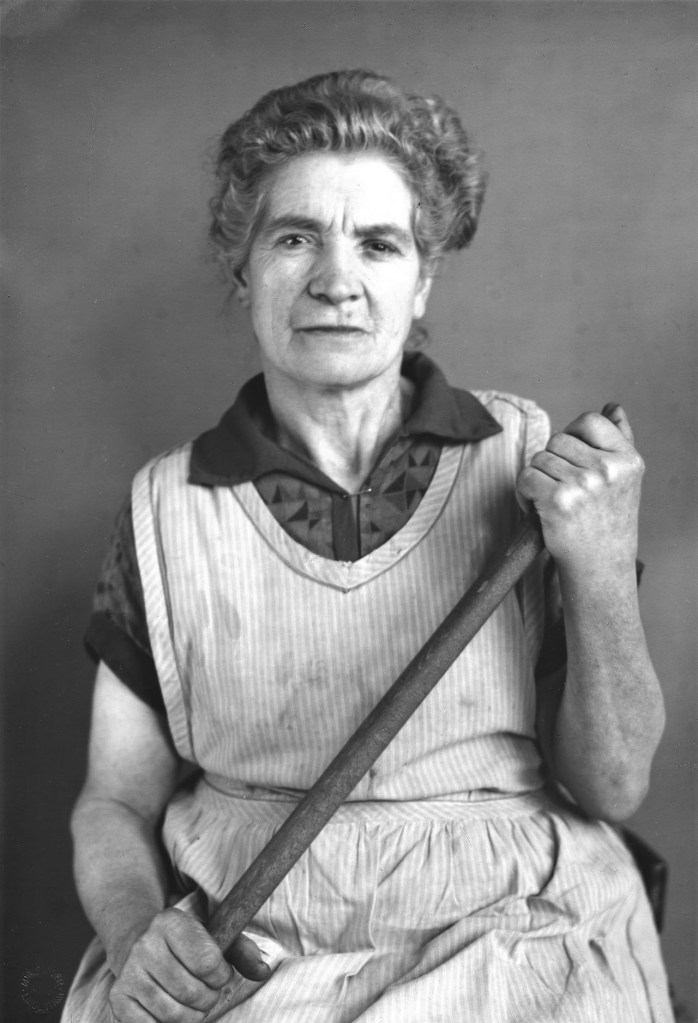
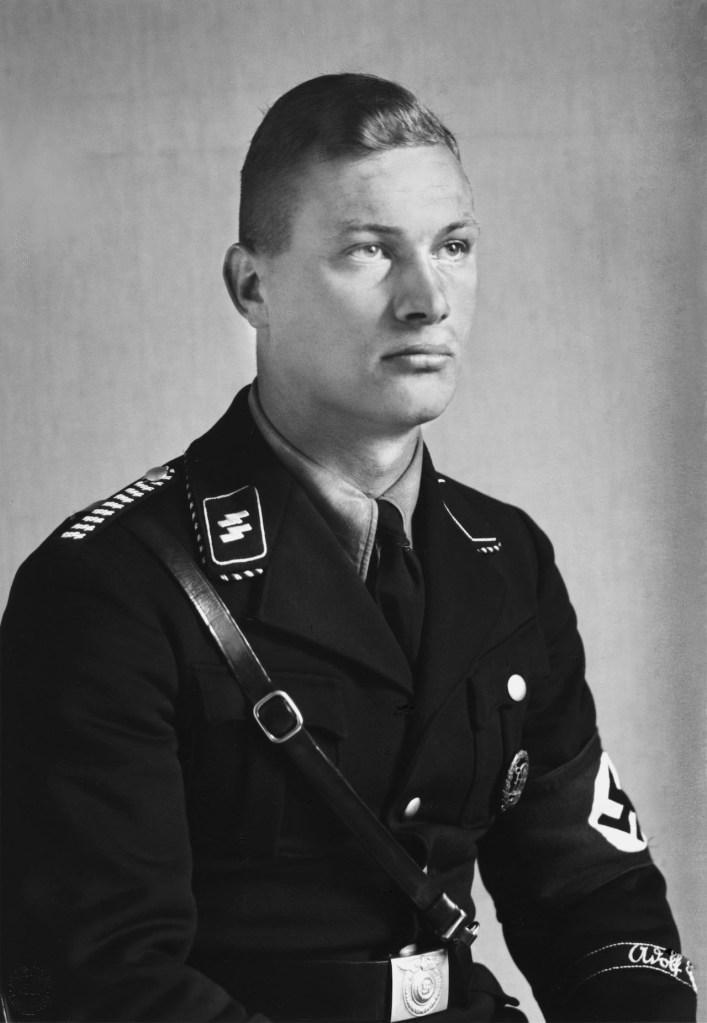
The first thing I noticed when studying Sander’s images from his series ‘People of the 20th Century’ is the position his subjects are sitting in regards to their ‘type’ that Sander’s considered them to be in. Of course, the term ‘type’ is perhaps a kinder way of saying what class these individuals sat within the social ladder. The subjects that some might say to have a less respected profession or way of living, for example, the ‘Cleaning women’ or ‘Political Prisoners’, are sat or stood straight on towards the camera. Whereas, those on the opposite end of the social spectrum, for example, the Schutzstaffel member, are turned side on. I believe the reason behind this relates to each individuals political outlook, which, at that time in Germany, was obviously extremely diverse. Through research, I discovered there were seven parties in Germany during the time Sander’s was creating this particular series. Depending on whether the party the subjects’ supported were left or right wing, or, somewhere in the middle like the ‘Catholic Centre Party,’ reflected what side, if any, the individual faced.

The images suggest that Sander’s liked to photograph his subjects wearing their work attire and where necessary, reinforce their professions to the viewer by including props, specifically items they need and use to work successfully. This however leaves little room for self-interpretation by the viewer as all the information they need to know about the individual is presented to them. That is why I particularly find interesting the portrait of the ‘Cleaning women’ as the ‘prop’ is visible but not entirely obvious. Even with the clothes she is wearing, her profession still remains uncertain. The viewer is forced to look at other elements within the photograph to gain further information and by doing so, I was immediately drawn to her arms and hands. They appear big and strong, indicating she uses them frequently, for example, when mopping a floor. It is this image I have chosen to describe further using David Bate’s ‘five element model’.

The Face

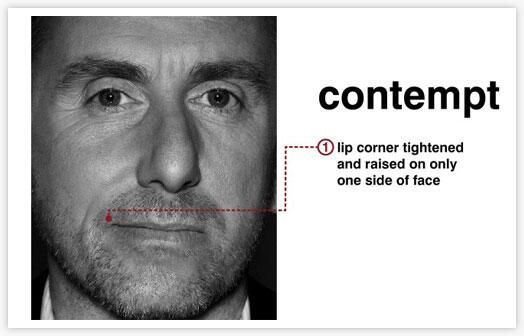
Whilst working on ‘Expressing Your Vision’ and more specifically for Assignment three ‘The decisive moment’ (https://iainbarbourocablog.wordpress.com/category/assignment-3/) I researched facial expressions and their meanings. From what I learnt then, I can tell that this women has a feeling of contempt, meaning, she feels worthless or beneath consideration. This can be identified by the corner of the lip being tightened and raised slightly on only one side of the face. Also, this expression is unilateral, meaning, the face is not symmetrical. We can clearly see that the right side of her face looks different from the left side.

The Pose and Prop

I feel her pose denotes a negative one and reaffirms to me that she does in fact feel a sense of insecurity about herself and the role she has within society. Some may argue that her body is ‘open’ suggesting a sense of strength and positivity. However, I feel she is hiding behind her mop, metaphorically speaking, and is holding it in a way which resembles how a soldier would hold their rifle, which they usually carry for protection and due to a feeling of insecurity.

The Clothing

As mentioned previously, it’s hard to give a definitive answer to what profession this women has just by looking at her clothing. However, I think it would be fair to say that she is a labourer of some sort and wouldn’t be recognisable as someone within a well-paid job or from a higher social class. Looking closing at her apron, stains are clearly visible, suggesting she works around filth and grime regularly.  

References

British Journal of Photography. (2019). ‘Persecuted / Persecutors: People of the 20th Century by August Sander’ [Online] Available from: https://www.bjp-online.com/2019/01/sander-people-20th-century/

Facing History and Ourselves. (2019). ‘Weimar Political Parties’ [Online] Available from: https://www.facinghistory.org/weimar-republic-fragility-democracy/readings/weimar-political-parties

The Guardian. (2015). ‘Gun demanding: the psychology of why people want firearms’ [Online] Available from: https://www.theguardian.com/science/brain-flapping/2015/oct/07/gun-demanding-control-firearms-psychology

Aletheia International. (2018). ‘Facial Expressions’ [Online] Available from: https://www.aletheia-international.com/facial-expressions

Exercise 1: Historic portrait

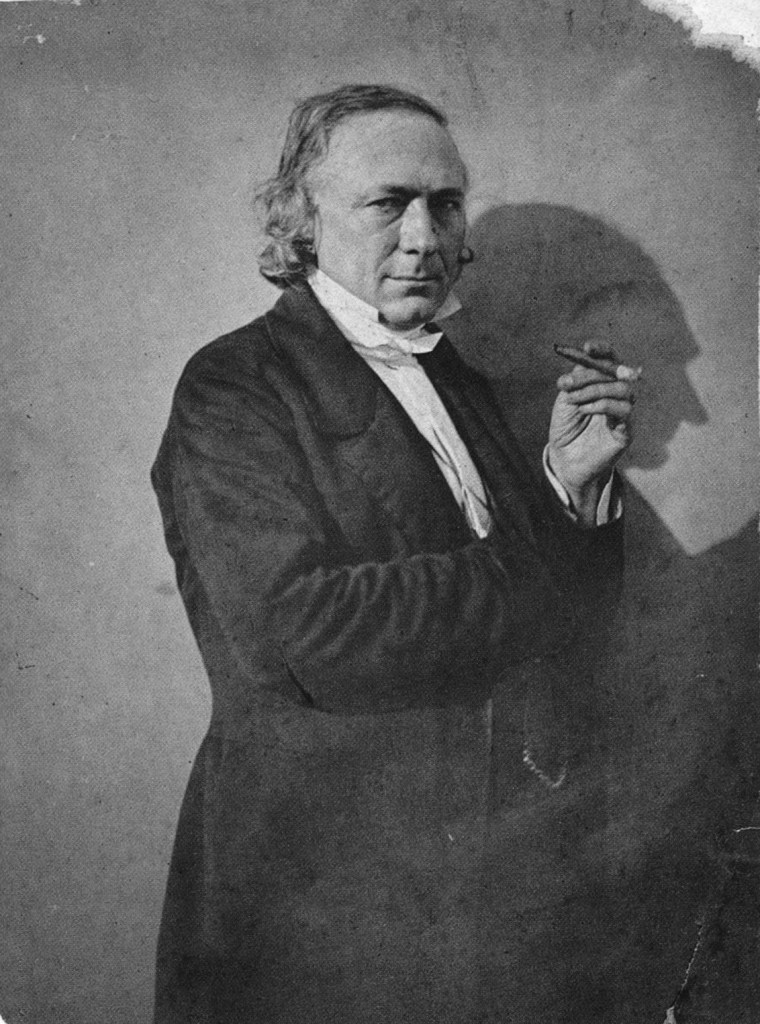
My chosen image is that of French caricaturist, Charles Philipon, taken by the famous French photographer, Felix Nadar. In the photograph, Philipon is presented to the viewer, turned slightly side on from the camera and standing in a way which depicts a sense of confidence within himself. The folding of one arm confirms he is comfortable with his surroundings and with Nadar taking his portrait. Perhaps, there is a mutual respect between the two men, as Nadar himself was too a talented caricaturist. At first glance, Philipon may come across as an authoritarian, due to his small and stern looking eyes looking directly down the face of the lens. However, the slightest of rise smiles, I think, shows his true character which is that of a witty individual who doesn’t take life too seriously – a perfect characteristic for the profession he is in. Saying that, Nadar was the master of using wit to make his subjects feel at ease and help them to ignore their possible anxieties surrounding being photographed. Is it possible that on this occasion, the shutter was pressed at the exact time Nadar made a comical joke? The relevance of Philipon holding a cigar is still unclear to me. There are no other portraits of him holding such paraphernalia or written documents that state he liked to smoke them. Nadar, did like to use props on occasion that had some significance to the subject, but why not usea pen? Perhaps, this was Philipon’s decision?

To help with Nadar’s philosophy of working in a “relaxed and personal manner” to create the best images possible, he always worked within a familiar environment – his home. This particular portrait was taken in Nadar’s Parisian back garden in 1854. By using a plain, white backdrop, Philipon, dressed in a black suit, becomes the focus instantaneously. With him wearing a white shirt that flares out towards his neckline, the viewers’ eyes are drawn upwards, towards his face – the main focal point of the portrait. Though, Nadar was a revolutionary in the use of artificial light for photography, in this instance, he used the natural light of the sun to help highlight Philipon’s face. Cleverly, though perhaps unintentionally, a shadow of Philipon has been cast onto the backdrop, creating a caricature of himself. Not only does this set up, choice of attire and use of natural sunlight help reinforce Philipon’s class and status, it has also been cleverly used to address photographic conventions, such as simplicity, leading lines, symmetrical balance and framing.

Nadar’s approach to taking portraits was to use the wet plate collodion negative process. By using this technique, any number of prints could be made, which wasn’t possible with the older and by this time, the less favourable daguerreotype. This would have been advantageous for someone with wealth, like Philipon, as, not only could he purchase prints for himself, but, also for family, friends and business acquaintances.

References

The Guardian. (2015). ‘The absurd life of Felix Nadar, French portraitist and human flight advocate’ [Online] Available from: https://www.theguardian.com/books/2015/dec/23/books-felix-nadar-france-photography-flight

The Public Domain Review. (2019). ‘Photographs of the Famous by Felix Nadar’ [Online] Available from: https://publicdomainreview.org/collection/photographs-of-the-famous-by-felix-nadar

The Met. (2004). ‘Nadar (1820-1910)’ [Online] Available from: https://www.metmuseum.org/toah/hd/nadr/hd_nadr.htm

Time. (2017). ‘How Nadar became the first great portrait photographer’ [Online] Available from: https://time.com/4846969/nadar-biography/

Imaging Resource. (2013). ‘The incomparable Nadar: Master photographer, political cartoonist and balloonist of 19th century Paris’ [Online] Available from: https://www.imaging-resource.com/news/2013/03/22/the-incomparable-nadar-master-photographer-cartoonist-balloonist-of-paris

Difference between the ‘description of an individual’ and the ‘inscription of social identity’

“The portrait is a sign whose purpose is both the description of an individual and the inscription of social identity.”

Tagg. J. ‘The Burden of Reprsentation: Essays on Photographies and Histories (1988)

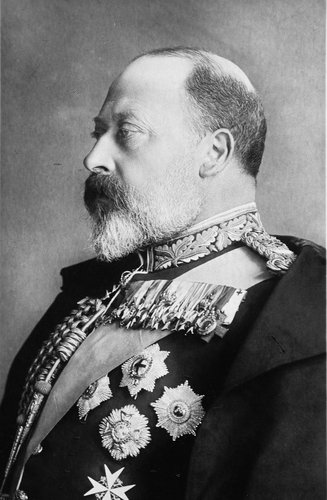
Thinking about this quote from Tagg, I believe a “description of an individual” related to portrait photography is simply what the viewer sees from the individual being photographed and what information can be obtained about them. Take this portrait of King Edward VII, for example. Depicted, is a white and fairly large man, who is slightly balding with a black and grey beard and hair. This would suggest to the viewer that this individual was in his 60’s and possibly unfit and/or unhealthy. 

The “inscription of social identity”, on the other hand, are things which have been adopted by that individual to give the viewer some understanding as to what social group they belong to. In this example, we see the individual wearing extremely smart attire and presenting his medals for all to see. From this, the viewer can perceive that this man is of some importance, though, not having prior knowledge of who he is or having an understanding of what the uniform and/or medals represent, that ‘importance’ would remain unknown. Another difference between the two is that, to a certain extent, the latter is a choice or a requirement the individual has to abide by. Royal portraits are incredibly important, so, if the King was to wear nothing but his best this could possibly bring ‘in-house’ tensions and scrutiny from the outside. 

‘Social Identity Theory’, as defined by social psychologist Henri Tajfel, is a “person’s sense of who they are based on their group membership” which in this example, would be the Royal Family. Being part of a specific group can give that individual a sense of immense pride, especially if that group is part of an ‘elite club’, so to speak. However, Tajfel’s theory suggests, that members of any ‘ingroup’ for example, the Royal Family, will hold prejudice against all ‘out-group’ individuals, for example, all non Royal Family persons. However, in present day, I don’t necessarily believe this to be true.

References

Royal Collection Trust. (2020). “Portrait photograph of King Edward VII (1841-1910) in military uniform, c. 1902”[Online] Available from: https://www.rct.uk/collection/2107471/portrait-photograph-of-king-edward-vii-1841-1910-in-military-uniform-c-1902

Simply Psychology. (2019). “Social Identity Theory” [Online] Available from: https://www.simplypsychology.org/social-identity-theory.html

Design a site like this with WordPress.com
Get started