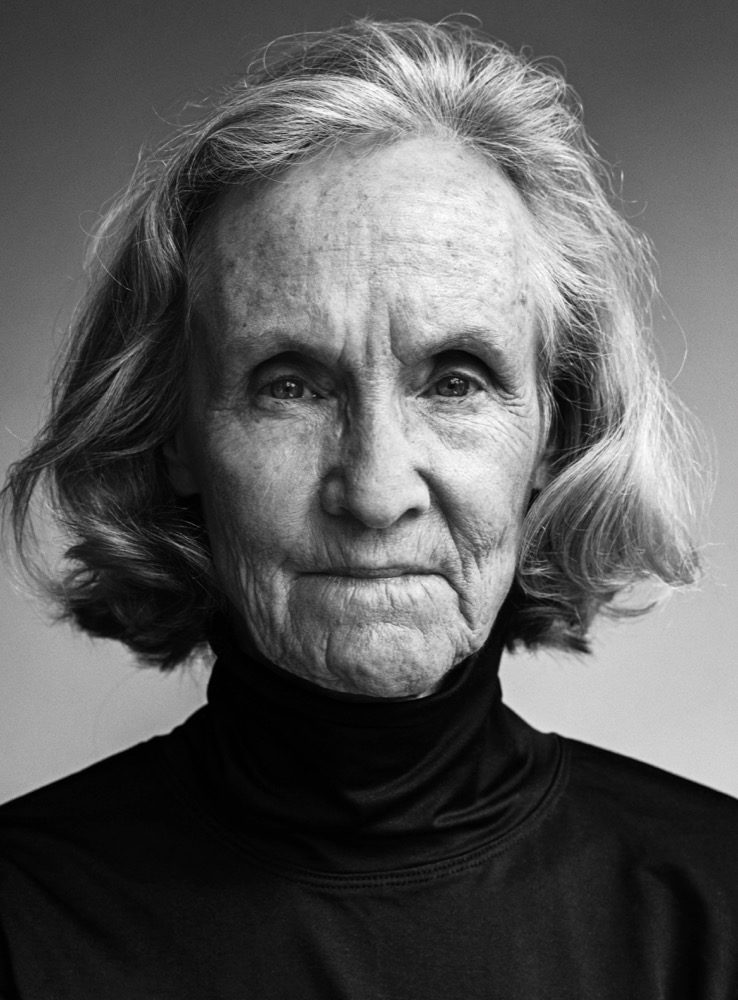
Tina Barney is a photographer, who is well known for creating images that focus on family life. As a viewer, we may just see work that has been created under strict direction from Barney herself, even if her portraits seem unforced, natural and on occasions, candid. But, there has been a lot influences in her life, both educational and personal, that has resulted in the images we see from her today.
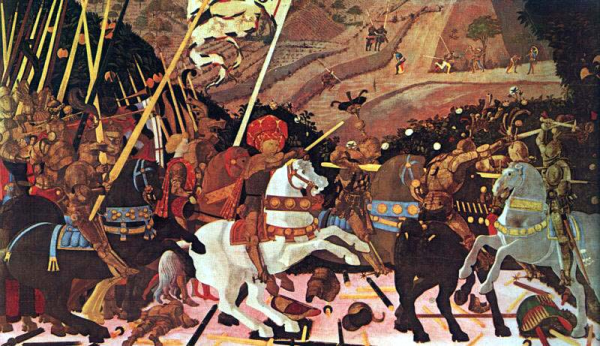
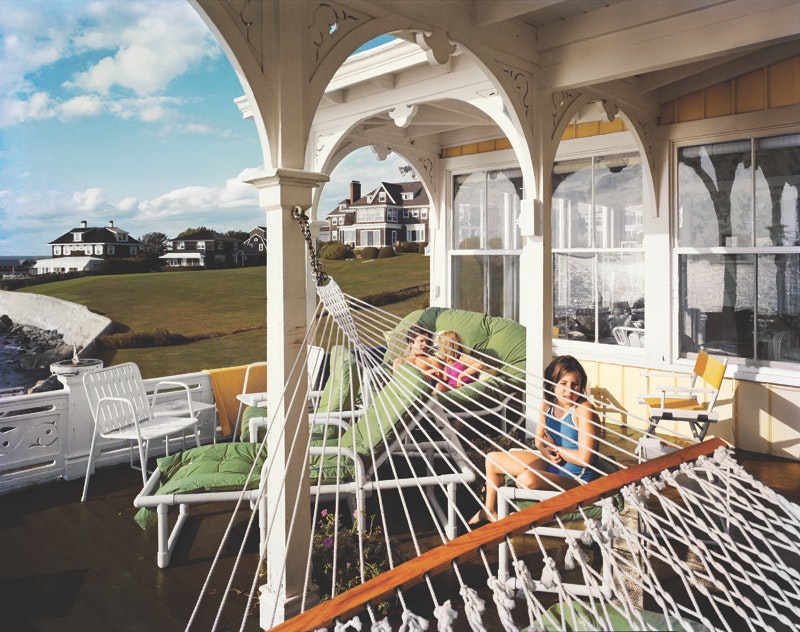
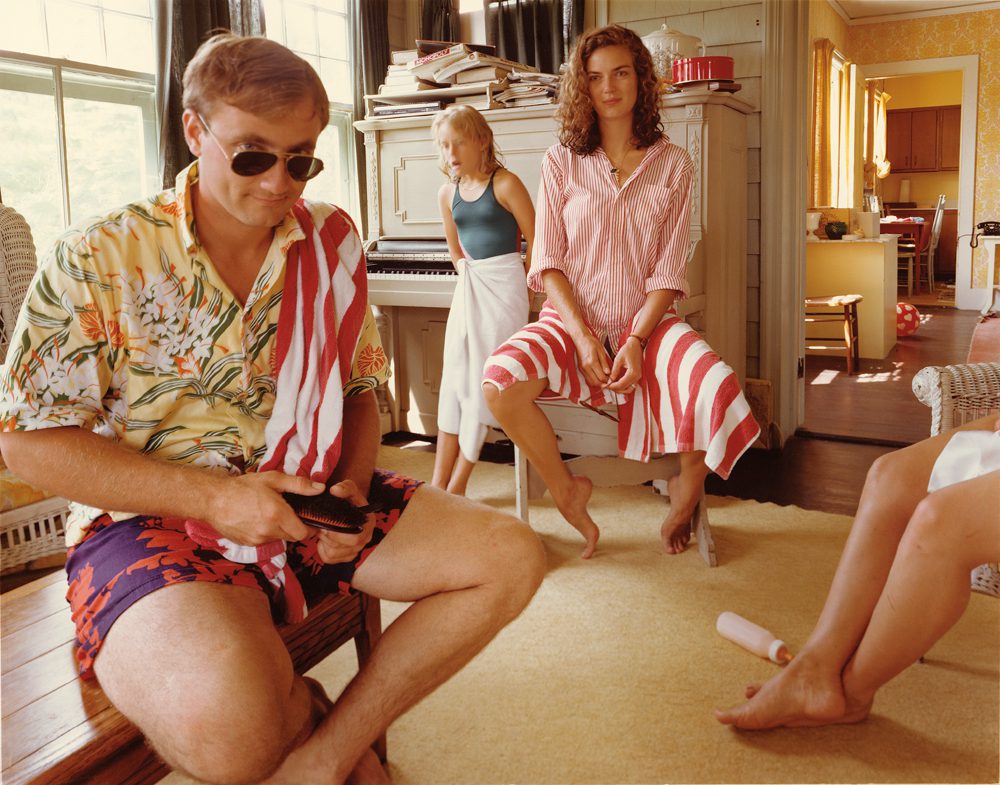
Barney admits she struggles with the concept of visual perspective, specifically relating to how to create space within an image and how to draw the viewer in, so to speak. I too find this particularly difficult, so it was very interesting and potentially beneficial, to get a better understanding on how she achieves this, and with great success. Her main inspiration comes from historical art, and more specifically, Italian renaissance and 17th century Dutch paintings. Barney believes that paintings from this era, on the most part, show visual perception at its finest, and when I saw examples of this for myself, I would certainly agree. The first painting below, depicts the use of strong visual lines, which draws the viewers’ eye into the areas of the painting the artist wants them to go. The second, uses depth of field exquisitely, which makes the scene look bigger and longer than perhaps it actually is. Both of these examples can be seen in Barney’s work.
‘The Battle of San Romano’ by Paolo Uccello
‘The Mother’ by Pieter de Hooch
She also learnt about visual perspective from her own mother, who was an interior designer. By placing objects within the scene at different heights, whilst also using the techniques above, the viewer will be forced to investigate the whole scene, rather than a specific area. This allows the viewer to gain more information, and ultimately, help with their interpretation behind the photograph. Reflecting on my own work, I feel I’ve created some images using similar methods, to achieve visual perception – though perhaps not to the same standards as Barney. However, I am so pleased that I have discovered her work and have been inspired to look further into historical art, which I’m hoping will help with my photography in the future.
The National Gallery. (2012). ‘Artist’s insight: Tina Barney | Seduced by Art: Photography Past and Present | The National Gallery‘ [Online] Available from: https://www.youtube.com/watch?v=3epp0imxkgg
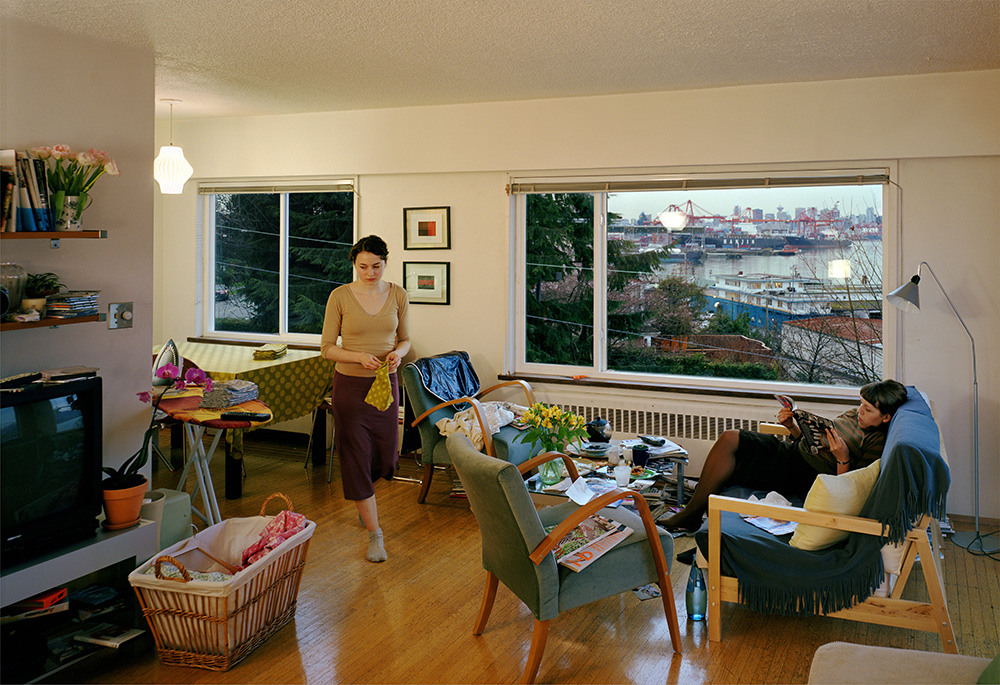
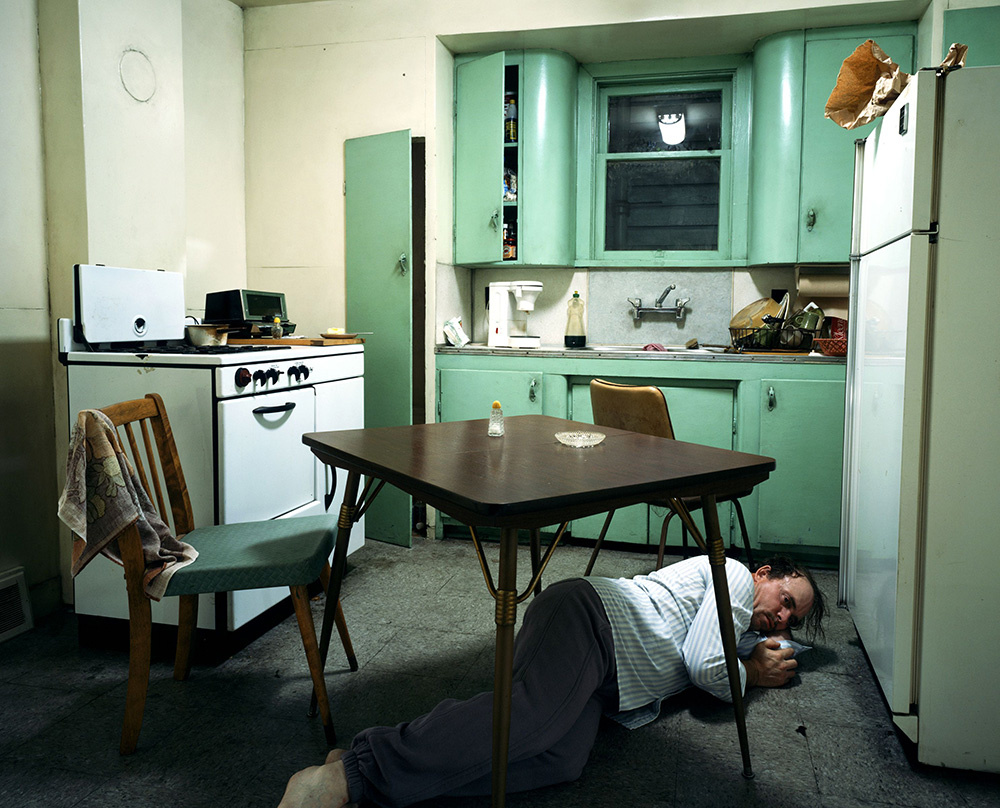
Due to the change in circumstances, I’m now only able to take photographs from inside my home. This means I’m limited in regards to ideas, and of course, subjects’, and in this instance, will have to rely on my family for participation. The theme will remain the same – Coronavirus – but instead of documenting how this has affected other people, my images will depict specific moments and events, during my family’s time in isolation. I have made the conscious decision not to take candid style portraits, as I feel most of our activities that are undertaken throughout the day, aren’t worth documenting, and as a result, the final images wouldn’t work together as a series. Instead, I’ve chosen to approach this similar to that of assignment three, from the ‘Context and Narrative’ module, where each image was fundamentally staged. From carrying out research into photographers’ who use this method in their photographic process, I have rediscovered Canadian photographer, Jeff Wall. As a result, I have been inspired to adopt his chosen practices and techniques for this assignment, which I feel will not only lead to a more, well-constructed piece of work, but show evidence of my photographic development and learning.
Describing his work as “near documentary”, in that his images aren’t ‘snapshots’, but rather “contemplations of its characteristics”, Wall’s approach to his photography is different to many others, in that he remembers a memorable scene or moment, and photographs it at a later time. In an interview with the ‘Louisiana Channel’, Wall says one of his best attributes is his ability to observe things naturally, and his experiences – which ultimately are produced into photographs – come around by being observant. Using this method, I will spend a week observing situations involving myself and my family – what Wall calls an ‘occurrence’ when people are involved – and make a mental note of memorable moments that I think will be worth photographing later. A big part of Wall’s process, is ensuring that the composition is perfect. And, though he doesn’t like the term ‘staged photography’ to be associated with his work, he will in fact add and subtract objects within the frame, to help achieve the composition he feels is best, ultimately resulting in a finer photograph – in his eyes anyway. Again, this is a technique of his that I will adopt, however, will ensure that any objects purposely added or removed, are done so for the greater good of the composition and won’t affect the underlying message surrounding each image. I will try to work having a similar mind-set to that of Wall, where he will always consider three key elements within his process – preparation, organisation and collaboration – reinforcing the fact that his images are not ‘snapshots’, even though they have ‘candid’ qualities. In a talk, aptly named ‘We are all actors’, Wall debates if individuals that feature in his work are “performing” or “behaving”. He goes on to say that after some time – as he usually works with his subjects for many days – people stop ‘performing’ and their behaviours become more natural. I’m well aware that this occurrence won’t happen when photographing my subjects’, and appreciate there will be an element of ‘acting’ involved that I’m hoping won’t lead to a lack of authenticity surrounding my images. However, Wall beautifully describes his photographs as not being representations of his memories alone, but memories of many others. He believes that if his work “feels true to your own experiences then it has to have some authenticity to it”. Ultimately, with the theme I have chosen and the way I would like to create my images, I hope to achieve authenticity by forming a personal connection with the viewer, surrounding the events taking place within the photograph.
To say this assignment has come at the wrong time is a massive understatement. The pandemic affecting the whole world currently – Covid19 – means all of my initial ideas are no longer possible, and I’ve had to rethink my approach in order to keep not only myself safe, but others too. I understand that taking portraits of people at this present time – other than my family – might not be sensible, or possible, and I’m finding it incredibly challenging to think of a theme that is both interesting and creative that I can do from the confinements of my own home.
During my feedback session with my tutor regarding assignment one, we discussed briefly the topic of environmental photography – the process of taking portraits of individuals’, usually in their working environment. After doing some additional research, I thought this would be a theme I could consider for this assignment. My idea would see me steer away from what a traditional environmental portrait would depict, and instead, I would photograph my subjects’ in a home studio setting, which would consist of a white backdrop and studio lighting. I understood that this method wouldn’t have met the brief I was trying to achieve, and knew I needed an additional element to support the portraits’. I had an idea of recording a sound bite from each of the subjects’ places of work, where the viewer would have to be reliant on the sounds to form a conclusion on where that individual worked, for example, a restaurant. I still think this idea is interesting and one I hope to undertake in the near future when normality resumes. Until considering this theme, I believed that I had never done an environmental portrait before – but this isn’t true. Scrolling through my personal archive, I have in fact done many. Below are some examples of my environmental portraits.
Before the government tightened their policies, which effectively saw the country go into lockdown, I had a few ideas that specifically focussed on the effects the coronavirus has had on other individuals. I hoped to use some of the photographic methods I had learnt in ‘Part Two’, as well as incorporating some of the rules and regulations enforced by the government within my work.
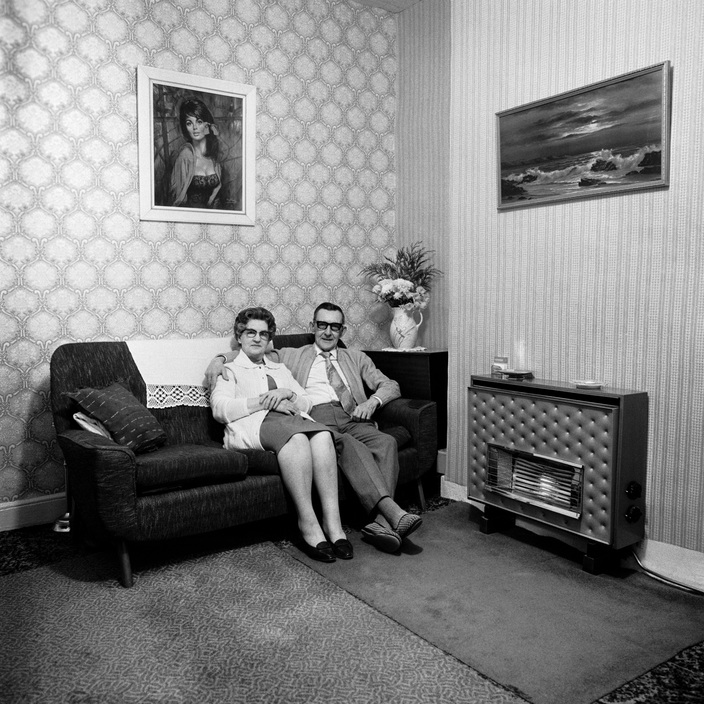
Inspired by ‘Residents of June Street’, by Daniel Meadows and Martin Parr, I liked the idea of photographing subjects’ in their homes to reinforce the notion of ‘self-isolation’. I planned to produce five portraits’, depicting different sitting rooms belonging to individuals of the same family – specifically mine – who have taken it upon themselves to self-isolate. Each image would’ve been supported by text stating how many days they have been in isolation and the reasons why. I did takes some images – more for test purposes – but felt the whole process wasn’t working for me and ultimately, I wasn’t happy with the results I was producing. At the time, I didn’t give up on the idea entirely, but understood something would need to be changed if I were to proceed with this theme.
GB. England. ‘June Street’. Collaboration with Daniel Meadows. 1973.
Another idea was to take portraits’ of those who have unfortunately lost their jobs because of the Coronavirus. I actually know at least five people who are now jobless as a result of the pandemic and thought this would have been a good way of highlighting this specific issue that has affected so many across the country. The portraits’ would have effectively been tight head shots, as I wanted the viewer to purposely see the emotions on the subjects’ faces. To help generate their true emotions at the exact moment the shutter was pressed, I planned to ask each subject the same a question, “Without telling me, how do you feel?” I also wanted to apply the 2 metre social distancing rule, which at that point had just been issued, but perhaps wasn’t being fully respected. Taking the image from exactly 2 metres away from each subject, whilst using my 60mm macro lens, would offer an interesting dynamic to the series as all the portraits’ would have the same perspective and help me achieve the ‘tight head shot’. But on further consideration, and again, after a few test shots, I felt this wouldn’t work either ethically, or logistically, and had to abolish the idea.
This was by the far the most stressed I’ve been whilst working on an assignment. Not just because of the environment I had to do it in, but, also because I was struggling to think of suitable ideas, after so many failed attempts. However, I quickly had to succumb to the fact that this was the situation I was in – like so many other OCA students’ – and effectively, I had to get on with it to the best of my abilities. I have always understood the importance of research before carrying out an assignment, but even more so in this instance. I truly feel the success of the entire process, and ultimately, the quality of my portraits’, was due to the thorough research I did into Jeff Wall, which resulted in me gaining a huge amount of inspiration and confidence, giving me the drive and determination I needed to carry on in difficult circumstances and produce the best work possible.
As I very rarely shoot indoors and am not used to photographing subjects’ where the natural light is limited, I had to quickly learn the art of low-light photography. Working the manual controls on my camera to choose the correct settings wasn’t an issue, however, using an external flash and understanding how to use it properly, and effectively, took some time. But, the more test shots I did before introducing the subjects’ into the scene, proved to be beneficial, and my confidence in my abilities grew as the process went on, and I think this is evident in my final images. Getting the compositions right was vitally important to me, so working in confined spaces proved to be difficult at times, and more often than not, my camera was attached to my tripod in some precarious positions. But, instead of choosing the easiest, but, perhaps not the best compositions, I took my time and persevered to get those I thought would work best with that particular image. I felt I have utilised some of the compositional ‘rules’ effectively, such as the rules of thirds, foreground interested and depth, framing and elements of symmetry.
This assignment allowed me to be creative, in that I was able to use props in my images. Obviously, the props I used were objects that were already an integral part of the ‘moments’ that I witnessed, so they weren’t randomly added into the scenes, per say. I feel that when using props correctly, and if they are relevant to the theme, like mine were, they can be a powerful tool to help promote the message the photographer is trying to deliver. One of the best points to come out of my research was how an image can appear more balanced and aesthetically pleasing if only three objects are evident within part of the scene. I tried to use this concept as frequently as I could, and the first real opportunity I had to do so was with the Birthday cards. Not only do I feel it works incredibly well as concepts go, but it also emphasises the point I was trying to make regarding the singing of Happy Birthday when washing your hands. Though I was using an external flash, there were opportunities to use natural light to help illuminate the scene or my subject. I think the best example of this is the image depicting my wife wearing a mask. There was natural light coming from the bathroom and hallway windows, and because the area in between was darker, a lovely ambience has been created and my wife is beautifully lit.
Perhaps, in the past, I have concentrated more on either the quality of images, or, the narrative, but have sometimes failed to combine both. However, in this instance, I really do feel I have created images that are both visually and creatively strong, whilst being part of a broader series where the narrative is relevant throughout. I certainly feel I have achieved what I set out to do, and under difficult circumstances, I’m very proud of that.
Overall, I’m happy with the feedback that I received, and feel the issues that were raised – specifically around the presentation of my images – will benefit me greatly now that I have a better understanding of why that particular element didn’t work. Of course, my tutor took into account the limitations I had surrounding this assignment, and for him to describe my work as “critically interesting” and “appropriate under the circumstances” was certainly reassuring that I had in fact stuck to the brief to the best of my abilities and produced strong images that were a current record of the times – which was ultimately what I hoped to achieve.
My tutor’s main concern wasn’t at all to do with the images themselves, and though he felt each portrait had a place within the final series, he wasn’t sure the sequencing that they were presented in necessarily worked. We discussed further the potential issues of ‘narrative’ within photography, and more so, when as photographers, we want to present our images in chronological order. His thoughts were that producing a narrative in this manner could be problematic, as gaps in the timeline are more evident – unlike in film, for example – and therefore, the sequencing may not be as fluent as one intended it to be. I must admit, it took me a while to get my head around this concept. But, when reviewing my images again, I understood my tutor’s mind-set. I feel that the sequencing between images one and two, and four and five, shows evidence of gaps within the timeline, and though this makes sense to me, for the viewer, it may be confusing. My thinking now is that does the narrative need to be literal in terms of its timeline, or, should I just present my portraits as standalone images that are all relatable to a common theme. After some consideration, I will change the way I present my images for assessment. As I know many others will have felt the experiences that I documented, I feel it’s not necessary to present them in chorological order, which I believe will help with the overall narrative.
We also discussed what the role of the captions was and how I could make them more personal towards the individuals mentioned. This was similar to what was brought up for my last assignment, so I should have really applied that notion here. My tutor said I could adopt a more photojournalistic approach, where they usually consider who, what, why and when (dates). Again, this is something I shall change for assessment.
Lastly, we talked about future assignments and how the situation – in regards to taking images in my home due to the lockdown – will most likely be the same. My tutor had a great idea that each assignment hear after should tie into one another, meaning that I’m creating a large body of work all related to my time in isolation with my family. He suggested that I take more group photographs of my family, though that may depend on the brief of the assignment.
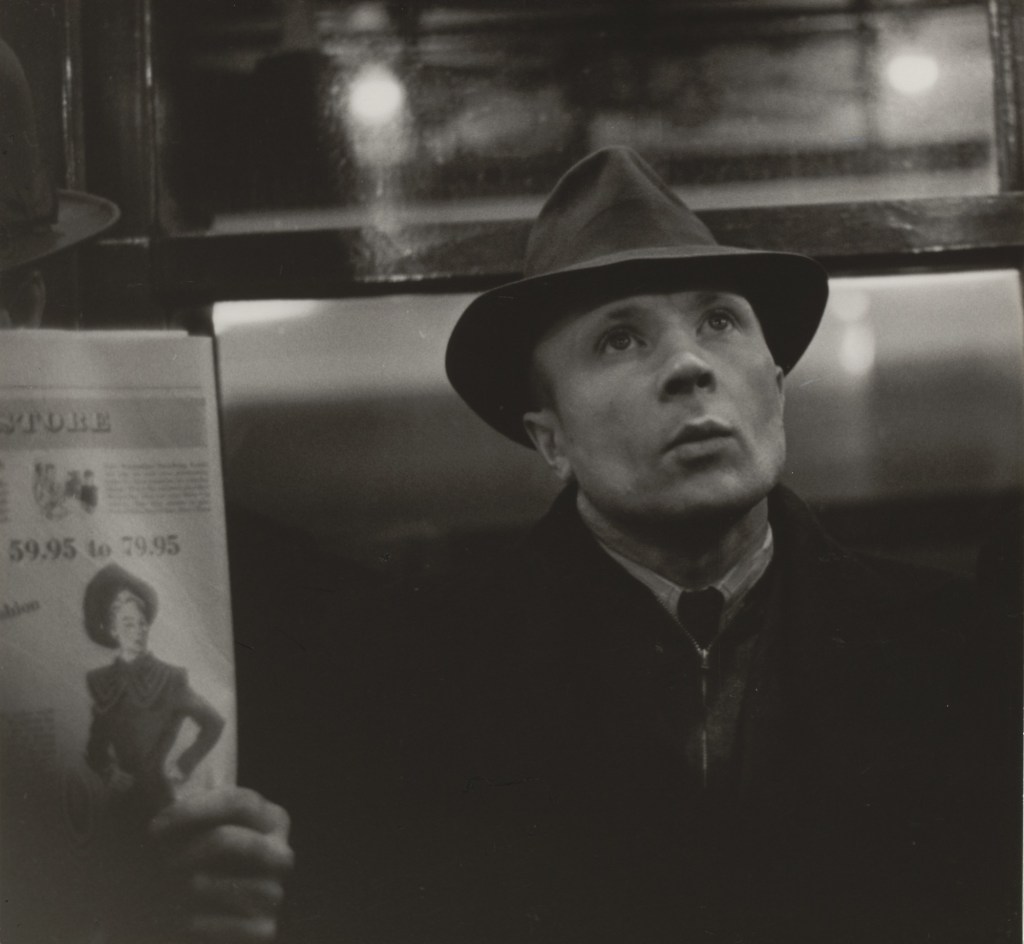
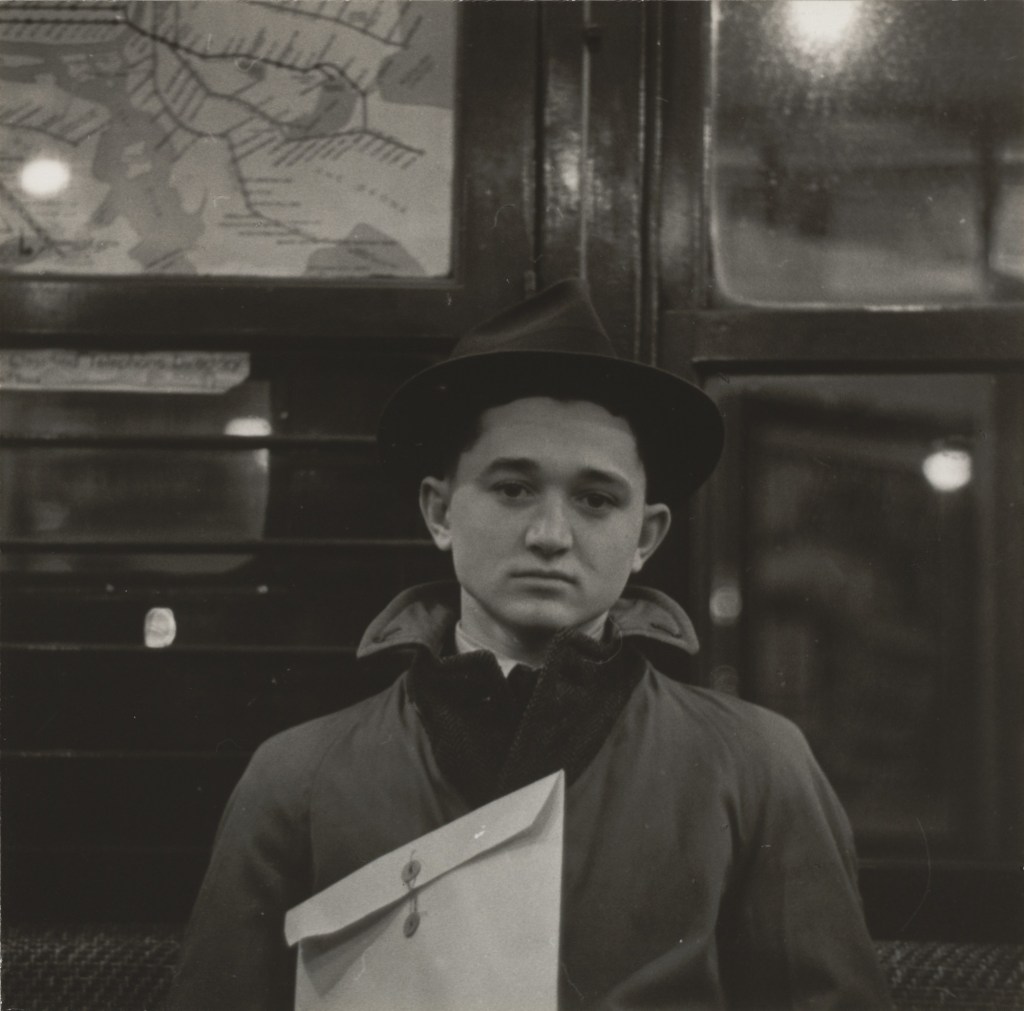
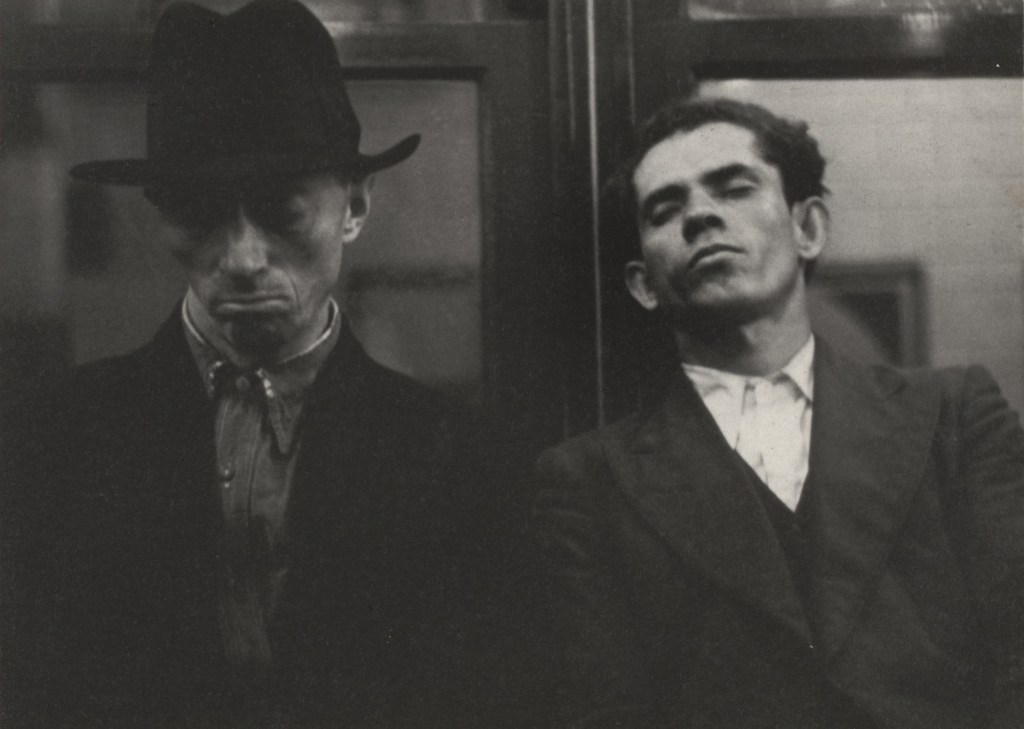
Comparing Walker Evans and Martin Parr’s subway portrait’s, I find it interesting that though both photographer’s had the same desires of photographing the general public using this mode of transport, their methods, and ultimately their final portrait’s, are in total contrast to each other. Evans’s perhaps inappropriate way of photographing his subjects’, gives the impression that it is in fact us – the viewer – who is sat where he is, observing these peoples’ behaviours, totally unaware that they are being photographed. I particularly like how the subjects’ body language and expressions are consistent throughout, depicting a sense of boredom and realism to the fact that, everyone on the train is in the same position as them. He has managed to capture a variety of ‘gazes’, so to speak, which are so often seen when observing others’ whilst using the subway. The ‘adverted gaze’ is more commonly seen in Evans’s work, where his subjects’ are looking away from him and the camera, perhaps observing other people or an advertisement board. But, some of his portraits’, the ‘bystander’s gaze’ is evident, which I find more fascinating as it’s impossible to know if they have spotted Evans’s camera hidden inside his jacket, or if at that very moment, Evans was himself looking away and the subject was simply making an observation of him before being noticed.
The Adverted Gaze
The Bystander’s Gaze
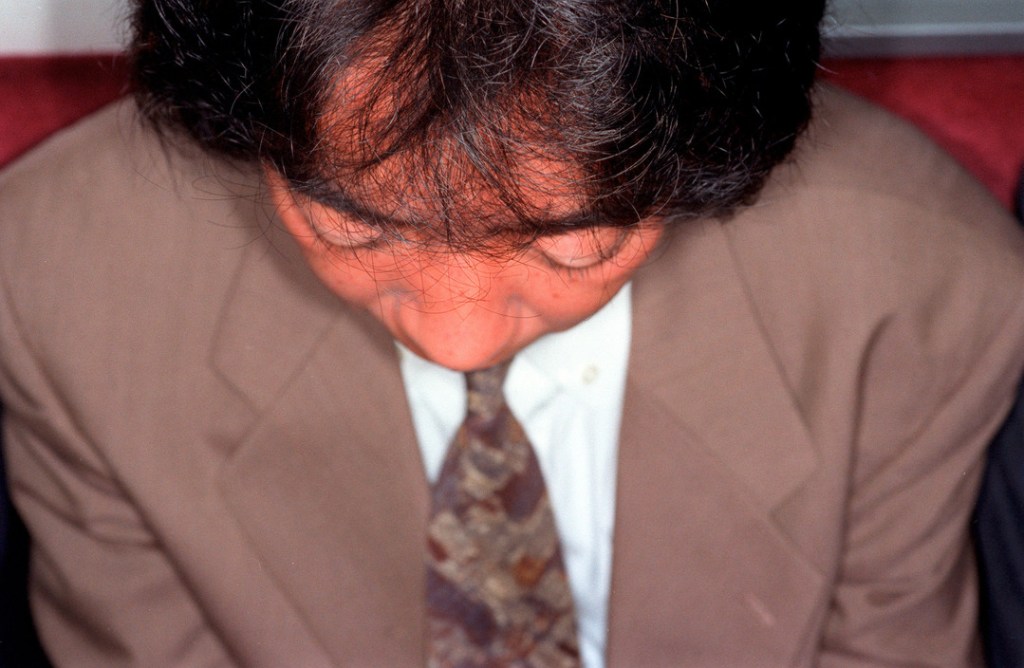
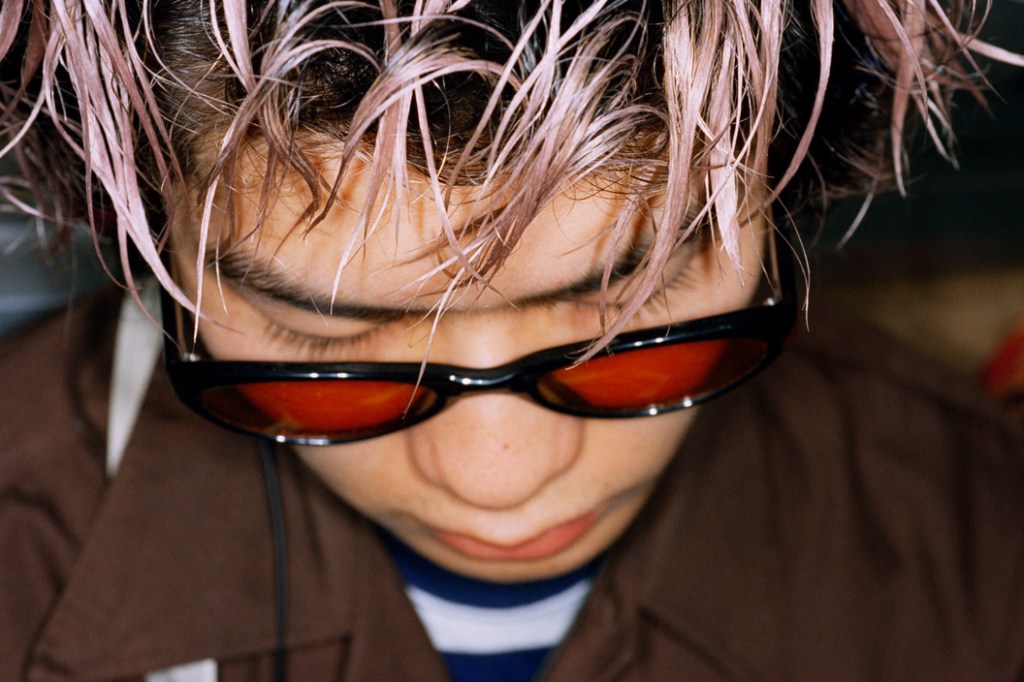
Like Parr, Evans has also captured images of his subjects’ sleeping. But, as the perspective is natural in the sense that we are used to this view when observing people, the viewer is able to obtain different information and can easily process that the individuals’ are in fact asleep. As Parr has chosen a different perspective when photographing his subjects’ – almost directly above them – it’s very hard to tell if they are asleep or awake, as only the top of the eye lids are visible. This may leave room for interpretation by the viewer, where they may have similar thoughts as I did, that these people are simply looking down at their phones, for example. Of course, if they understood prior to seeing the portraits’, when they were taken – 1999 – they would most likely form a conclusion that this wasn’t what they were doing. I found it incredibly difficult to determine when these images were taken, due to the perspective and tight framing he used. Visual information is minimal and to be honest, the hairstyles and clothing worn by the subjects’ could easily be seen on individuals in present day.
Commuter, Tokyo. 1998.
JAPAN. Tokyo. From ‘Japanese Commuters’. 1998.
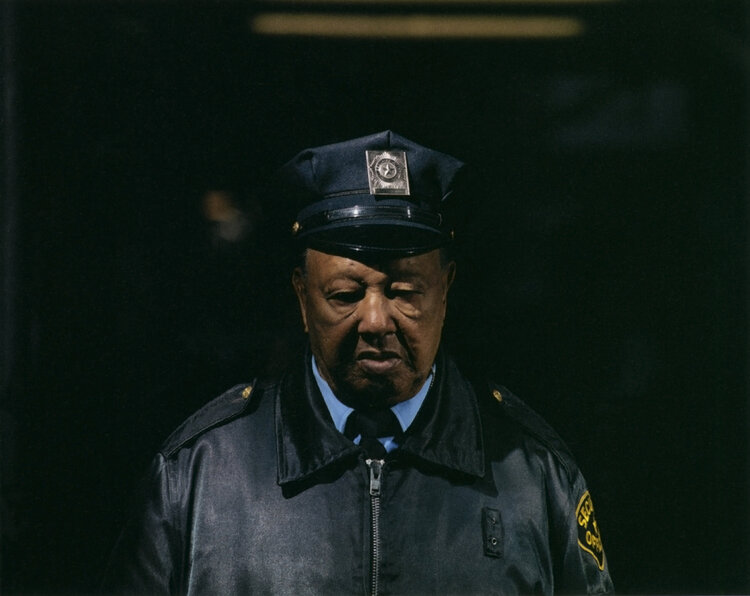
I find Philip-Lorca diCorcia’s portraits’ in his series ‘Heads’ absolutely stunning, with a sort of cinematography feel about them. He does so well to blur the lines between what’s fiction and real, and as a viewer you are unsure if his subjects’ are unaware of his actions or in fact a model involved in the photographic process. Due to the interesting technique adopted by diCorcia, where he uses strobe lighting – placed some distance away from his subject – to illuminate them, the background appears darker than normal. DiCorcia said himself that the “strobe light made full daylight into night time”. I find this fascinating, as on some of his images, the background seems so dark that it almost appears that he has used a black backdrop. I’m not sure if this was his intention, but I think this would be a great technique if trying to produce a project which demonstrated incorporating studio and location photography. As this is the premise for this part of the module, maybe this is something I could explore for my next assignment.
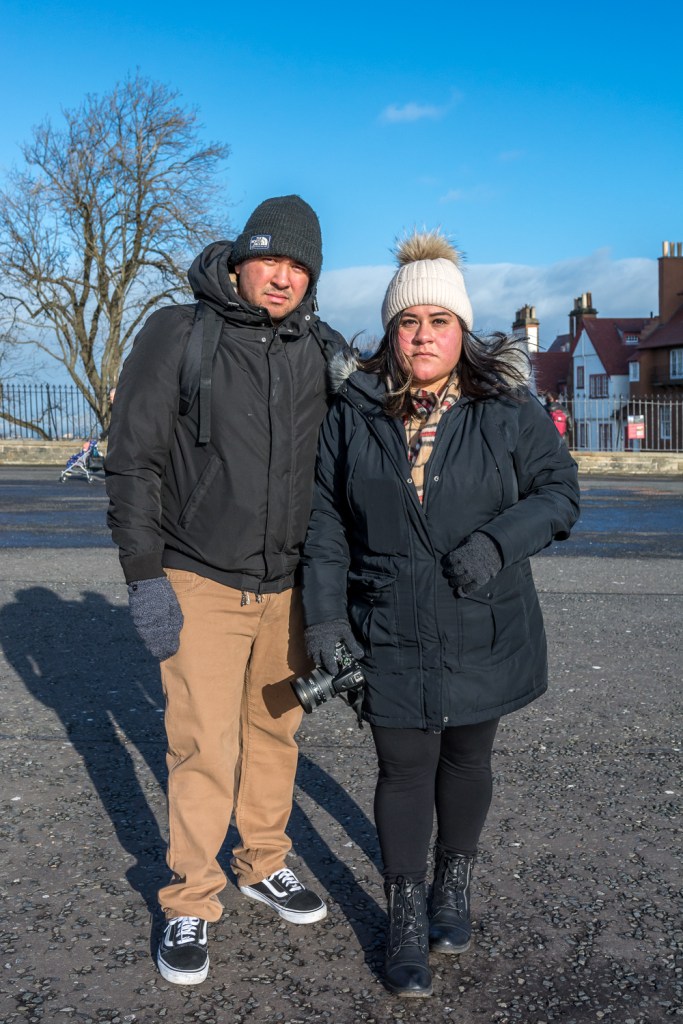
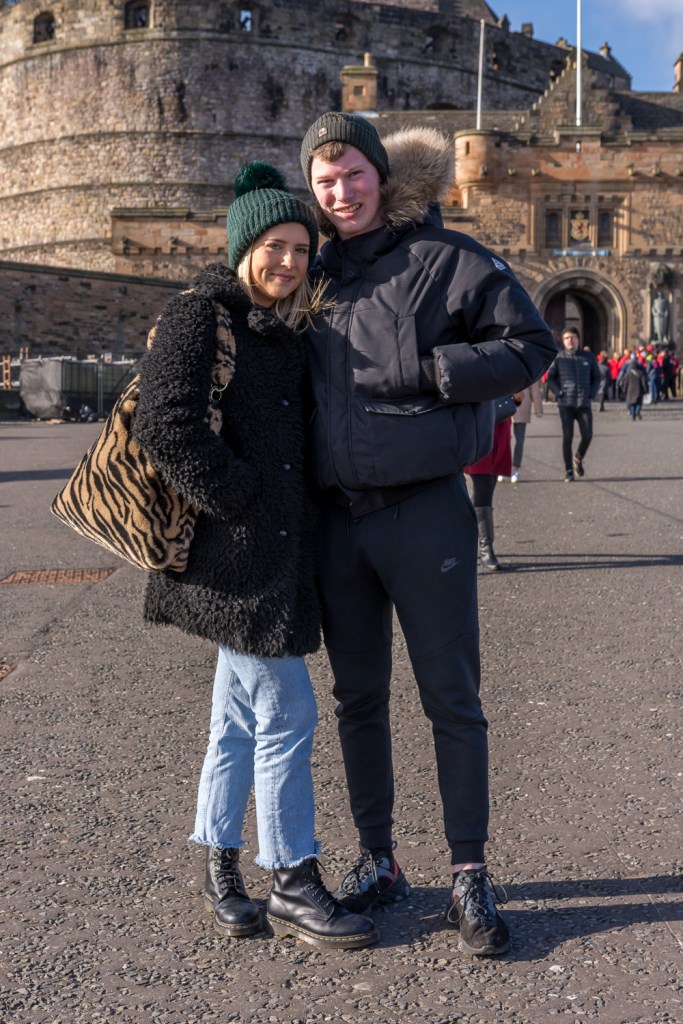
These two portraits were taken on the same day but did not make it into my final selection.
This was the first portrait I took that day and I think it definitely shows. The couple were from Colombia and I’m not sure they really understood what I was asking of them. I remember the gentleman looking at his partner with a look of confusion on his face and this made me feel very anxious, which ultimately led me to producing some rushed images’. So much so, I forgot to place them with the castle in the background – an important factor within my portraits. Regarding technical aspects, this was the period when I was experimenting with different focal lengths and this image wasn’t consistent with the others I took that day. Compositionally, I don’t think the subjects are well placed within the frame, and as a result, the image looks rather compact. Also, this is the only portrait where the stranger’s appear uncomfortable, more so in their facial expressions, and to be honest, I don’t think they enjoyed the process.
This couple, from Wigan (technically not foreign) were absolutely lovely and had no qualms with me taking their portrait. I actually really like this image, but unfortunately there was only one reason it didn’t make my final selection. It’s a small thing that maybe only I would notice, but I think the ladies bag slightly affects the composition. Even though they are dead centre within the frame, the image as a whole appears unbalanced, due to the fact the bag is protruding too much into the negative space to her right side. With more experience, I may have spotted this and instructed her to place it to one side before taking their portrait.
I must admit that this is an assignment that I’ve been dreading as it requires me to approach, talk to and photograph total strangers. I’m not a shy person, but certainly lack confidence when talking to people I’ve never met. When it comes to photographing individuals, I would rather do it from a far and without them knowing. From memory, I believe I have only ever asked three people if I could photograph them – they were all foreigners’. I found that by not being able to communicate with them verbally, the process was a lot easier and perhaps more natural, in regards to their mannerisms and expressions. The fact that I was unable to give them ‘direction’ meant their response to being photographed seemed organic.
Struggling to think of an ‘ice breaker’ I can use on these strangers’, perhaps this is an approach I should adopt for this assignment. A possible theme could be based around foreigners’ visiting Edinburgh – the city I reside in. However, being able to communicate their nationality to the viewer may prove to be difficult. One idea I have, is to use the GPS coordinates – specifically related to the city or town the subject is from – as a reference, which would support their portrait. I feel by using this method, there would still be some ambiguity surrounding each image, allowing room for interpretation by the viewer. I feel this method would be best suited as a ‘typology’ series, as each portrait will contain different, but relatable information. Having done some extensive research into photography projects using GPS coordinates, specifically related to portraiture, I’ve been unable to find anything documented. Perhaps, though, it would be more beneficial for my photographic development and confidence, if I were to bite the bullet, so to speak, and not specifically approach those who I believe to be foreign.
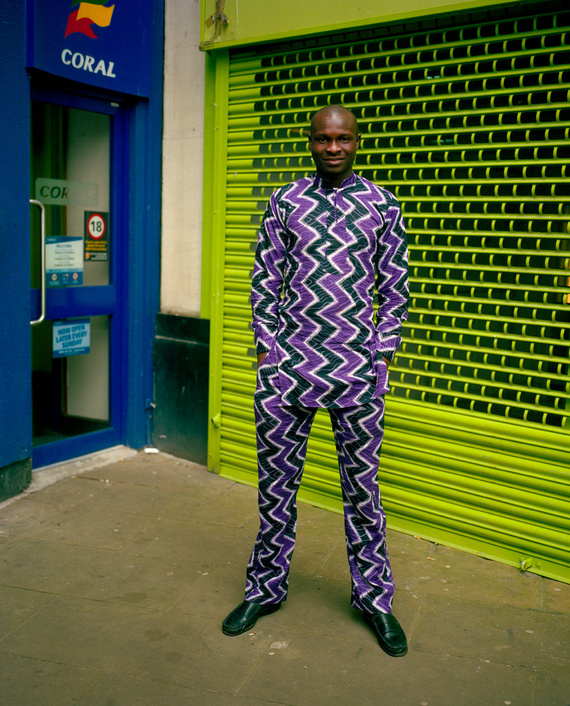
I have been doing a lot of research into Scottish photographer, Niall McDiarmid. His photography style incorporates documenting both the people and landscape of Great Britain and I feel his chosen practices, specifically surrounding his portraiture, are ones which I could apply within this assignment. The first thing I noticed when reviewing his portraits are how colourful and vibrant they are which, according to McDiarmid, “developed naturally”. Not only are the individuals’ clothing brightly coloured, but the intentionally chosen backgrounds are also, resulting in two or more subjects that often complement each other. McDiarmid has a desire to move away from photographing the “greys and muted tones that are so often associated with Great Britain” and I think that statement is certainly true in relation to where I live, especially at this time of year. I could adopt McDiarmid’s methodology and create vivid portraits, incorporating other important elements regularly seen in his work – shapes and textures – that are depicted as being in total contrast to what the individual is wearing. This I feel would work best as a typology series, with the underlying theme being ‘colour’.
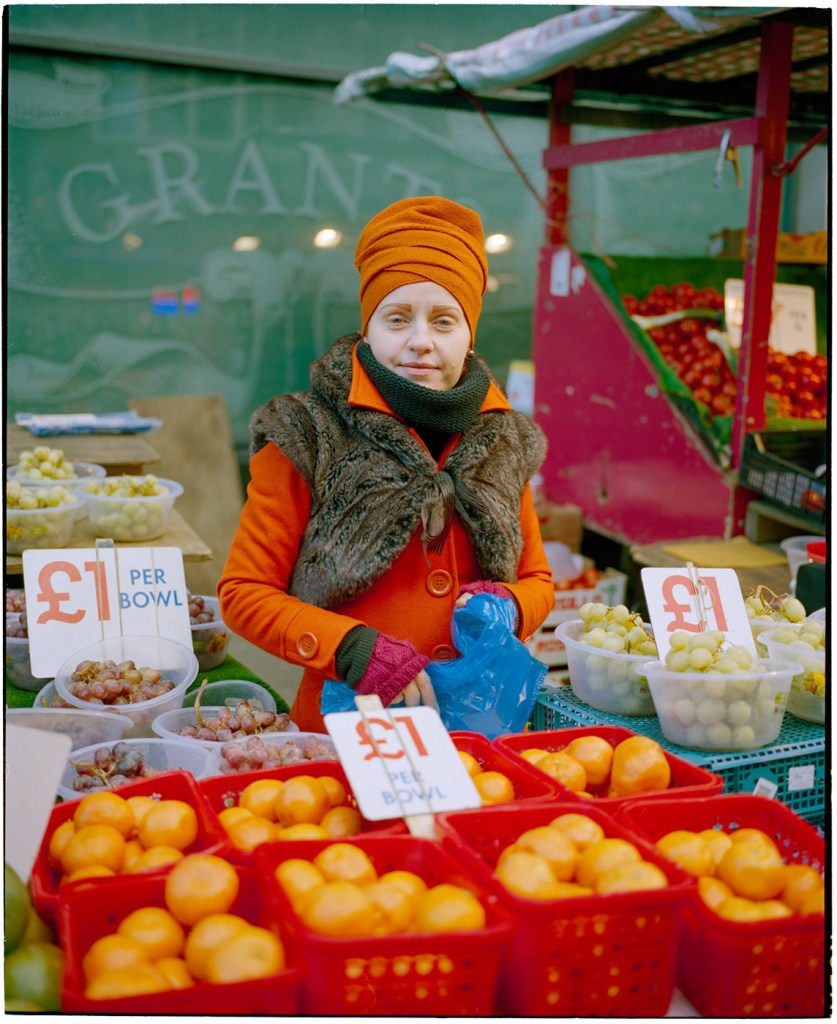
McDiarmid, also seems to have a natural talent for intentionally including objects in his portraits, which mimics a specific part of his subjects’ clothing. This is subtle, and only when the viewer studies the image as a whole, is it then realised. I’m not entirely sure what this technique is called, but it works incredibly well and is one I’m considering for this assignment. I think, though, this idea would be the hardest to achieve, as scenarios where both the individual and object are naturally placed together in unison, could be few and far between and with the limited time I have to photograph my subjects’, it could be an unrealistic undertaking.
Oranges £1 Per Bowl, Surrey Street, Croydon – Jan 2016
I have been watching a lot of videos on YouTube on how to successfully photograph strangers’. I’m not interested in the photographic techniques they use and their final results, per say, but rather how they approach and interact with the individuals’. I’ve actually found the information to be incredibly useful and have noted down a number of key points which I plan to use when photographing my subjects’.
Be friendly and explain what I’m doing (I think I’ll say something along the lines of “I’m a photography student and currently doing a project where I need to take a portrait of a stranger. Would you be happy if I took yours?”)
If they say “No”, thank them anyway and move on.
Don’t have my camera visible when I approach them, as they may get intimidated.
Take a few photographs only (This is beneficial for two reasons. 1) Makes the experience less daunting and time consuming for your subjects’. 2) I will have a number of images of the same individual to choose from for my final selection).
Give the subject some direction, if possible (It will make the process easier and more fun for them).
Offer to send your portrait to the subjects’ (I think this is a great way to show your appreciation for their time and will be a nice memory for them).
In addition to this, I realise the importance of taking more than the required amount of portraits, which in this case is five. There is always the possibility that one of my images won’t be good enough for my final selection and to have alternative options available could prove to be helpful. Also, I will not be limiting myself to how many individuals’ feature within a single image. Some may argue that if I’m creating a typology series, the number of people seen within each portrait should possibly be the same throughout, but I would disagree. I feel that this point is irrelevant and shouldn’t be treated as being more important than the actual ‘types’ I wish to explore.
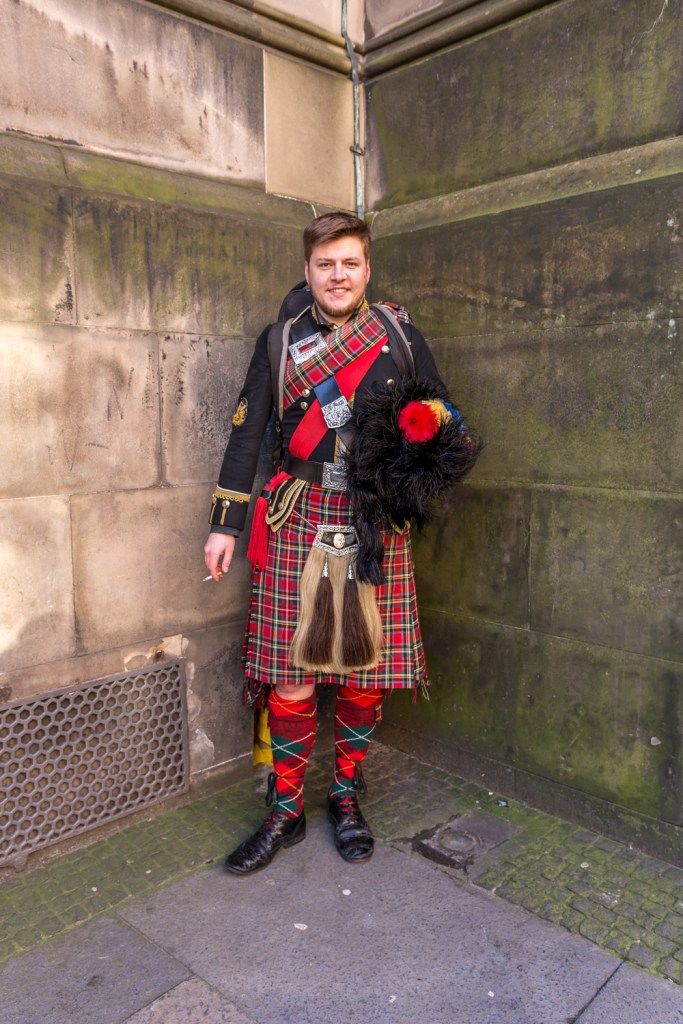
Today I was in town with my family and happened to have my camera with me. I was mainly taking snapshots of them and had no intention of photographing anyone else. However, as I past St Giles’ Cathedral, I saw a piper on his break from entertaining the tourists’, leaning up against the wall and smoking a cigarette. I thought it would make for a good image as the concept seemed quite comical. Whilst approaching him, I thought this would be a great opportunity, and practice, to ask him if I could take his portrait. My thinking was he must get asked that all the time so wouldn’t be phased by the idea. Unbelievably, I wasn’t nervous, and I calmly explained who I was and what I was doing. With a big smile he said “yeah man, cool.” I took one shot only – not sure why – thanked him for his time and walked away. After reviewing the image, I must admit, it’s not great and certainly not good enough to be part of a series. However, I don’t really mind, as this exercise was never about the end result and more to do with confidence building in regards to asking a stranger to take their portrait.
My biggest fear surrounding this assignment was the fact I had to ask people to take their portrait. Before starting the process, I kept thinking to myself, “How many times has someone approached me and asked that, and if they did, what would I say?” The answer was “never” and most likely “No”. Don’t get me wrong, I thoroughly enjoy taking pictures of strangers’, but these are always done candidly. To ask someone seems strange, an annoyance for them, or perhaps even worse, an invasion of their privacy. Ultimately, these people didn’t know who I really was or what I would do with their photograph, but yet they trusted me enough to allow me snap away.
The brief for this assignment states, “leaving technical photographic considerations aside…” To be honest, I wasn’t sure if this meant I was being advised to only focus on the involvement with my subjects’, and to disregard any photographic technical abilities I have. If my understanding was correct, I understood to a certain degree the point that was trying to be made. However, surely the basic technical aspects of photography, for example, exposure, shutter speed etc. cannot merely be ignored and the quality of my images’ potentially becoming jeopardised for the sake of trying to build relationships. I found though that with the experience and technical skills I already possessed, I was working on ‘default’ mode, so to speak, and very rarely had to consider the technical aspects during the photographic process. Prior to the shoot, I set my camera’s ISO to 400, selected ‘aperture priority’ mode and dialled in an aperture of f5.6, as I knew I wouldn’t require a shallow depth of field. Also, as it was predetermined that I would be taking full body portraits, I understood this would help keep all of my subjects’ in focus. I didn’t have to worry about the camera’s shutter speed, due to the shooting modes selected, and because there was enough light available, there was minimal chance of producing out of focus images’. One thing I noticed I was doing frequently at the beginning, was selecting various focal lengths from my 18-35mm lens. A good example of this would be the portrait of ‘Andy and Patricia’. It’s obvious that the field of view in this image is wider than the rest in the series, however, I don’t feel it weakens it at all and deserves to be in the final selection, albeit, with minor differences to the framing. I also noticed when using this method that the process took longer than initially planned, and it was noticeable at times that the subjects’ were becoming agitated. To combat this, and to have the rest of my portraits’ consistent with each other, I selected a fixed focal length of 35mm and simply used my legs to find my desired focal length. I chose what could be considered as a more ‘traditional’ composition, placing my subjects’ in the centre of the frame. I found this works best when creating full body portraits and is a technique the likes of Niall McDiarmid uses regularly.
I found that with every new stranger I spoke to, my confidence grew, and as a result the quality of my portraits’ improved dramatically. I began to give my subjects’ some ‘direction’ and I found the whole process became more enjoyable for both myself and them. It’s no surprise that the portrait’s I feel are the strongest, happen to have been taken near the end of the process, which to me proves that the more you do something, the better you will become. Though, I’m happy with the portraits’ I’ve taken and feel I’ve achieved what I set out to do, what I’m most satisfied with is the confidence I’ve gained through this experience and have been inspired to start a personal portrait project in the near future.
I must admit there wasn’t much creativity involved when photographing my subjects’. The process was incredibly simple and at no point did I want to become experimental with my ideas. Reflecting back to Niall McDiarmid’s work, though very good, it also seems simple in terms of his execution when creating a portrait. I believe the type of image you are trying to produce will determine how experimental you may become, but if the context is correct, sometimes simplicity is all that’s needed to make a strong image.
As my tutors report can be found on my blog, I won’t repeat what has already been written, but will however, reflect on some of these points further and mention topics that have not been included that I believe to be important for my development.
Overall, I’m very happy with the feedback I received and felt my tutor appreciated my efforts in regards to approaching and photographing strangers – a task I was genuinely nervous about. He did mention that the series seemed “a bit snapshot in places” and I appreciate and fully understand where he is coming from in regards to this comment. By including the castle in the portraits’, they could be mistaken for a photograph a tourist would take of a friend, or family member, for example. However, as the castle was an important factor within the images, to help with the overall theme of the series – ‘tourists’ – I’m not entirely sure how I could have made the portraits’, less like snapshots.
We discussed ‘terms’ used to describe certain groups of people – in this instance ‘foreigner’s’ and ‘tourists’ – and how, as photographers, we need to be careful with the terms we use if writing about them. I found this to be an incredibly interesting and helpful discussion, as not only did I appreciate that some people might not like to be called ‘foreigner’s’, as this could have negative connotations of them being ‘invaders’ of some sort, it also made me realise that I could extend my search to those, for example, who may be from different parts of the U.K.
My tutor felt the portrait that worked best within the series, was that depicting the two Korean gentleman. He liked that one was holding a selfie stick, which had strong connotations of a ‘tourist’ and their style of clothing helped reinforce the idea that they were indeed from Korea, meaning the GPS coordinates that I used, may be irrelevant in this instance.
Though, it was agreed that using GPS coordinates was irrelevant and didn’t bring anything extra to the portraits’, we did discuss how these could be used effectively in a photography. It turns out my tutor created a project exploring the theme of disused mine shafts in the U.K. In this instance, he used GPS coordinates to locate these mineshafts, where he then created grid references for a more accurate location.
A topic I wanted to discuss during my feedback session, surrounded an image by Niall McDiarmid, which I discovered when doing research for this assignment. It depicts a women, wearing all orange, working at a stall selling oranges. I wanted to find out if there was a specific term for this photography style, but my tutor wasn’t sure. However, he mentioned that when you photograph someone in their working environment, it’s called an ‘environmental portrait’. This was a term I had never heard of before, but is something I will do further research in to.
We also had an interesting discussion about the value an image has to the photographer. For example, are they creating images because that subject will benefit them financially, or, are they doing it to generate social awareness about that subject?

 Iain Barbour - BA (Hons) Photography