Though, it’s clear as to what has been depicted in William Eggleston’s images’, interpreting the meaning behind them, or indeed, considering why he chose to photograph that particular scene in the first place, maybe harder to understand. His work could easily be described as banal, portraying objects, which many photographer would disregard entirely. However, Eggleston himself said that the most appropriate answer he can give to those, who ask him why is he photographing a particular subject, is “life today”. But, by applying this mind set in to your personal photography practices, does this make you – the photographer – a storyteller, or a history writer?
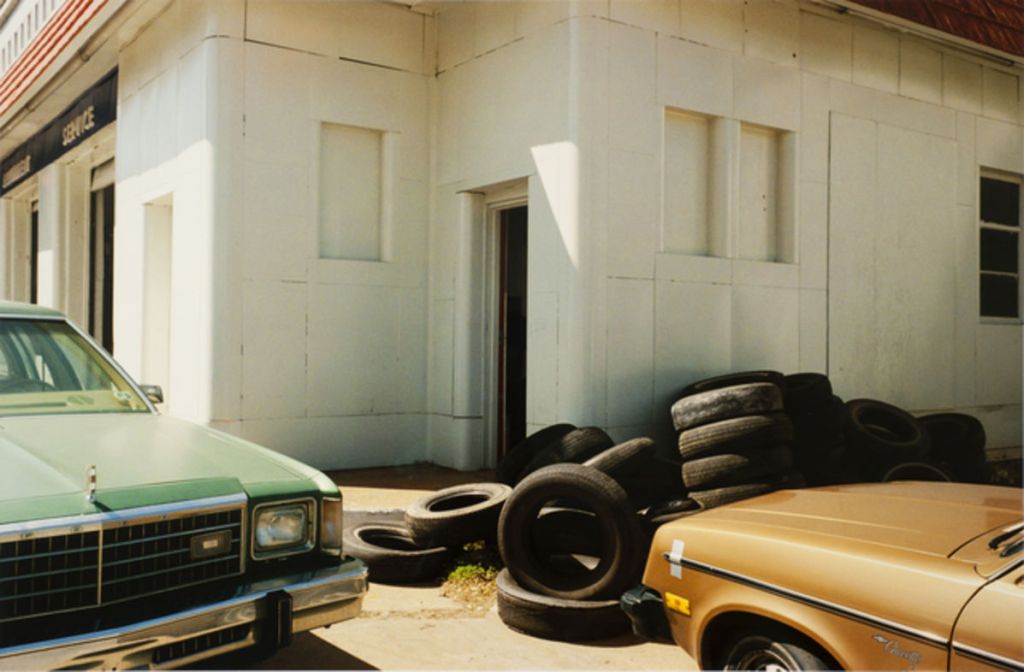
Being a photographer, essentially makes you a storyteller. However, one thing I’ve learnt from this degree, is that the story you intended to tell through your photographs’, isn’t always received in the same way by the viewer. I believe any image can tell a story – with, or without figures present – however, depending on the connection it has with the viewer, for example, on a geographical level – like Memphis – or, how ‘open’ it is for interpretation, may result in different meanings being conceived. Every time a photograph is taken, a snapshot of that moment is transferred either onto film, or into a digital file. Essentially, that image is an historical representation of someone, or something, and how long it remains a part of history depends solely on the photographer themselves – does it end up on the cutting floor, or deleted, never to be looked at again. A piece written by the ‘American Historical Association’, describes history as not “a collection of facts about the past”, but rather, “making arguments about what happened in the past on the basis of what people recorded at the time”. Of course, they are specifically referring to written documents, however, this thinking could also be applied to photography. For example, the image below – taken by Eggleston – could be a case in point between the relationship between tire production and the effects on the environment in doing so, and why they are a necessity in everyday life. Interestingly, I don’t believe Eggleston considers himself as a ‘history writer’. He rarely uses titles or caption to support his photographs, and says by providing dates of when his images’ were taken, “that’s just not about photography”.
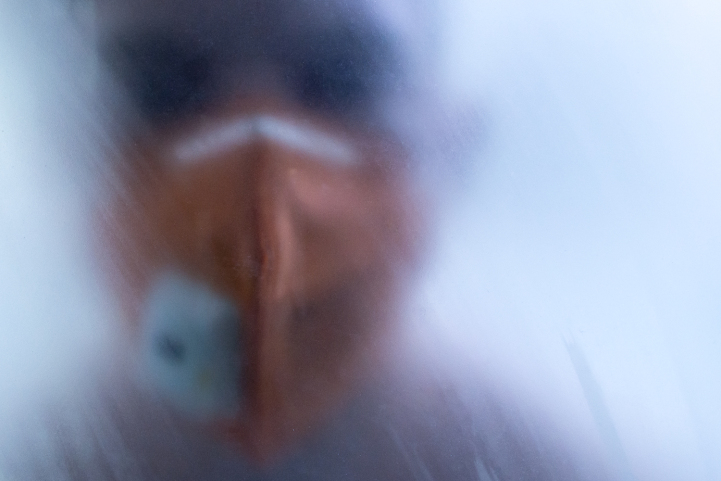
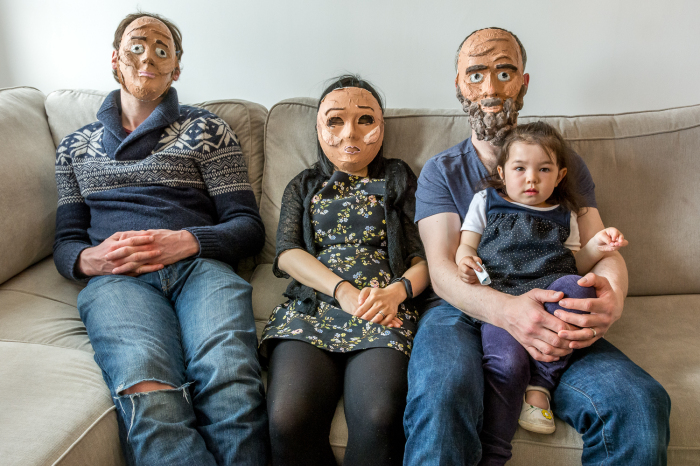
Personally, I would consider myself a factual photographer. I’ve an interest in documenting real life moments and people, whilst capturing natural and genuine experiences and responses, which I believe are hard to replicate, if trying to create the same scene artificially. However, this course has allowed me to experiment with my photography in inventive ways, which I’ve certainly enjoyed and appreciated. I’ve been able to incorporate both factual occurrences, with fictitious ideas, to create projects exploring specific personal issues. Due to the creativity aspect involved, the narrative in these instances could be considered as obscure, resulting in a sense of fabrication surrounding the series. Though, I enjoy incorporating this amalgamation of fact and fiction, into my photography, I still much prefer making images’ that depict total reality, and don’t believe I will ever move away from this.
References
American History Association. (2020). ‘Writing History: An Introductory Guide to How History Is Produced’ [Online] Available from: https://www.historians.org/teaching-and-learning/teaching-resources-for-historians/teaching-and-learning-in-the-digital-age/the-history-of-the-americas/the-conquest-of-mexico/for-students/writing-history-an-introductory-guide-to-how-history-is-produced
YouTube. (2013). ‘Imagine | The Colourful Mr Eggleston’ [Online] Available from: https://www.youtube.com/watch?v=3jZ_HkaTXh8
WordPress. (2017). ‘Assignment Five: Emotional masking’ [Online] Available from: https://iainbarbourocablog.wordpress.com/category/assignment-5/
WordPress. (2018). ‘Assignment Three’ [Online] Available from: https://iainbarbourocablogcan.wordpress.com/category/assignment-3/

 Iain Barbour - BA (Hons) Photography