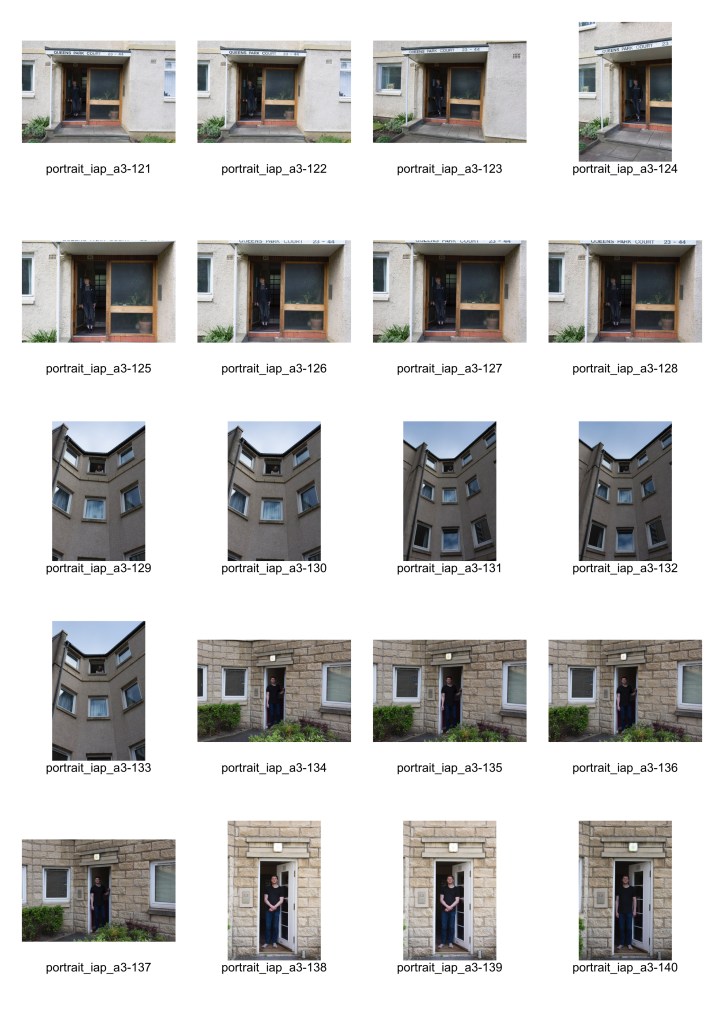
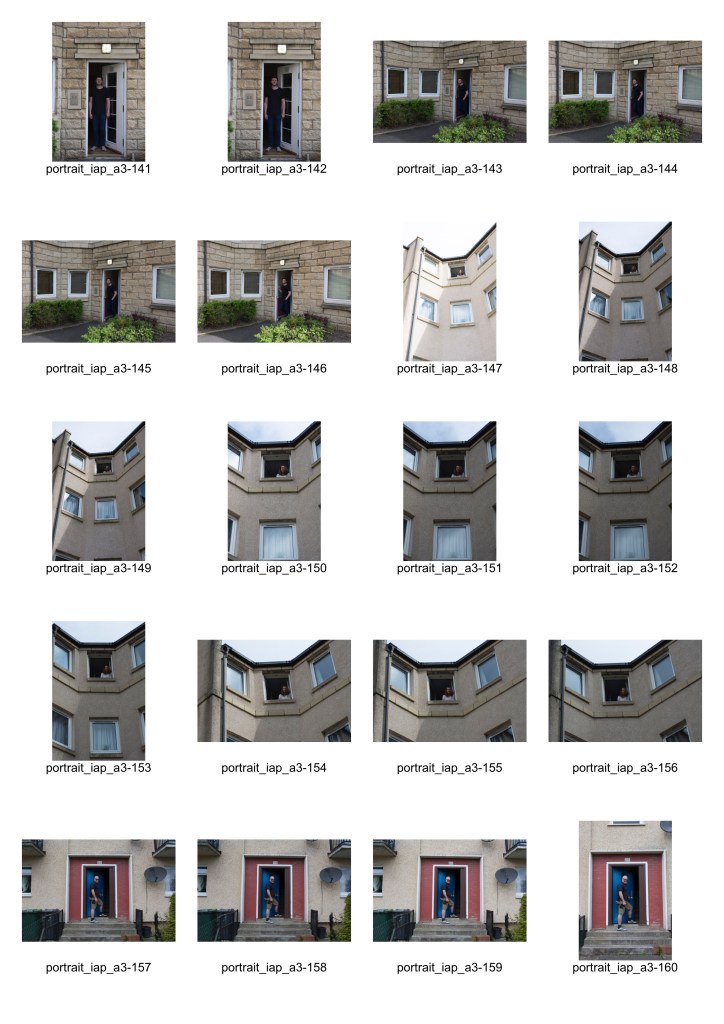
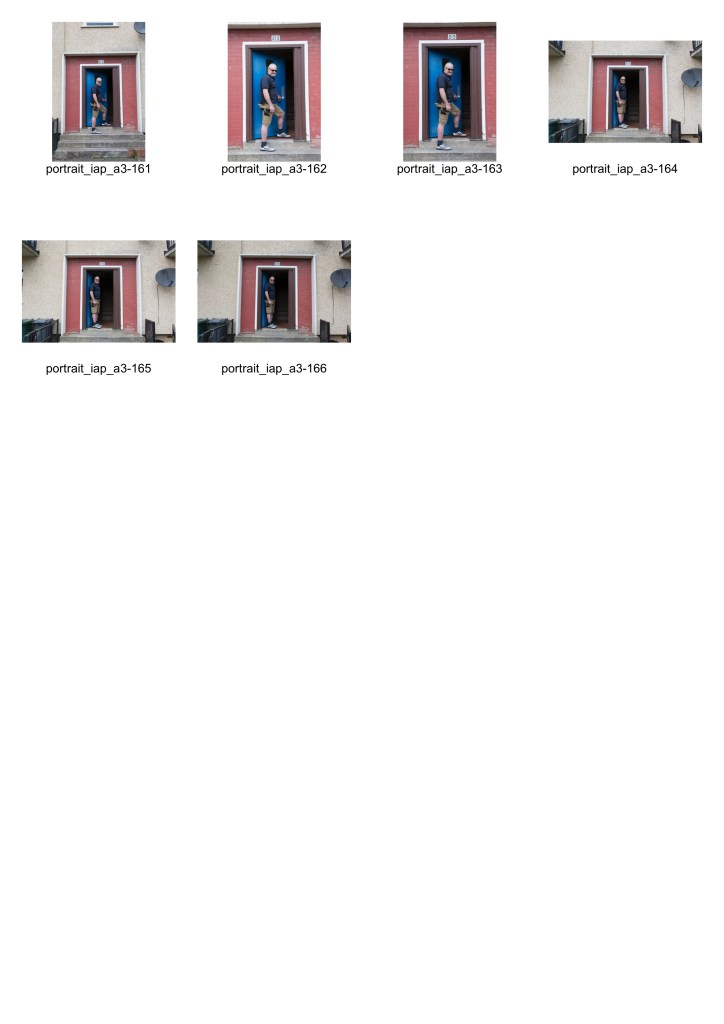
Assignment Three: Mirrors or Windows – Initial thoughts, ideas and preparation

I’m feeling a lot more positive going into ‘Mirrors or Windows’ than I did for assignment two, despite still being in lockdown, and feel I’ve some good ideas that if perused, will hopefully enable me to produce a strong set of images. As suggested by my tutor, I’ll continue to explore the theme of ‘lockdown’, but will ensure that the topic of ‘community’ – the premise for this assignment – is met. I’ve done a lot of research into ‘communities’ and have discovered there are broadly speaking, five different ‘types’. These are: community of action, practice, place, interest and circumstance. It is the latter which I think is most relevant to this assignment, and the ‘type’ I will concentrate on specifically, as it explores how communities have been united due to a common situation or challenge not to their making, i.e. coronavirus / lockdown.

That brings me on to the main problem I’m facing currently – the aspect of ‘community’. Due to the current situation, the majority of communities have separated, and are currently non-functional for obvious reasons. Social distancing means that having close interaction with individuals’ – unless done in a safe manner for myself, the subjects’ and the general public – is almost impossible. Of course, there are some types of communities that could be explored. For example, the distant learning community, which is a great example of a ‘mirror’, and like any topic chosen within this category, could be done from the confines of my home, due to its self-reflective nature.

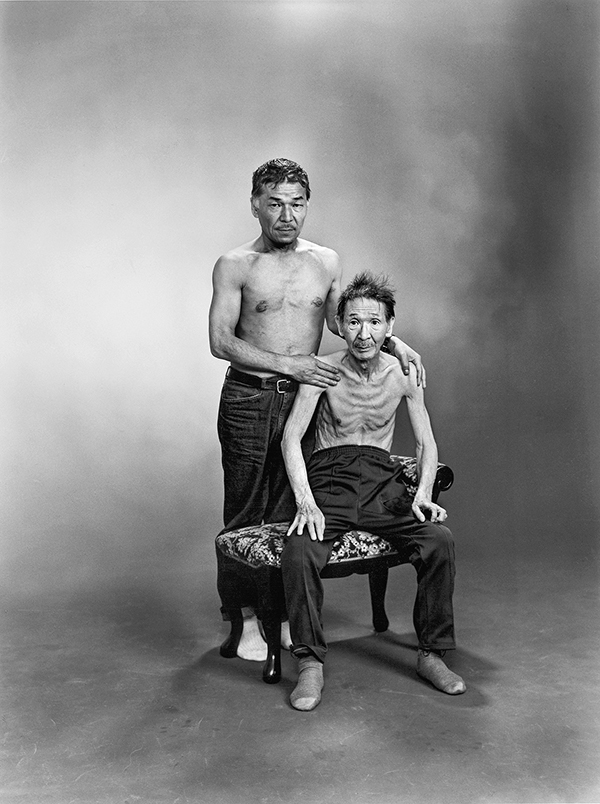
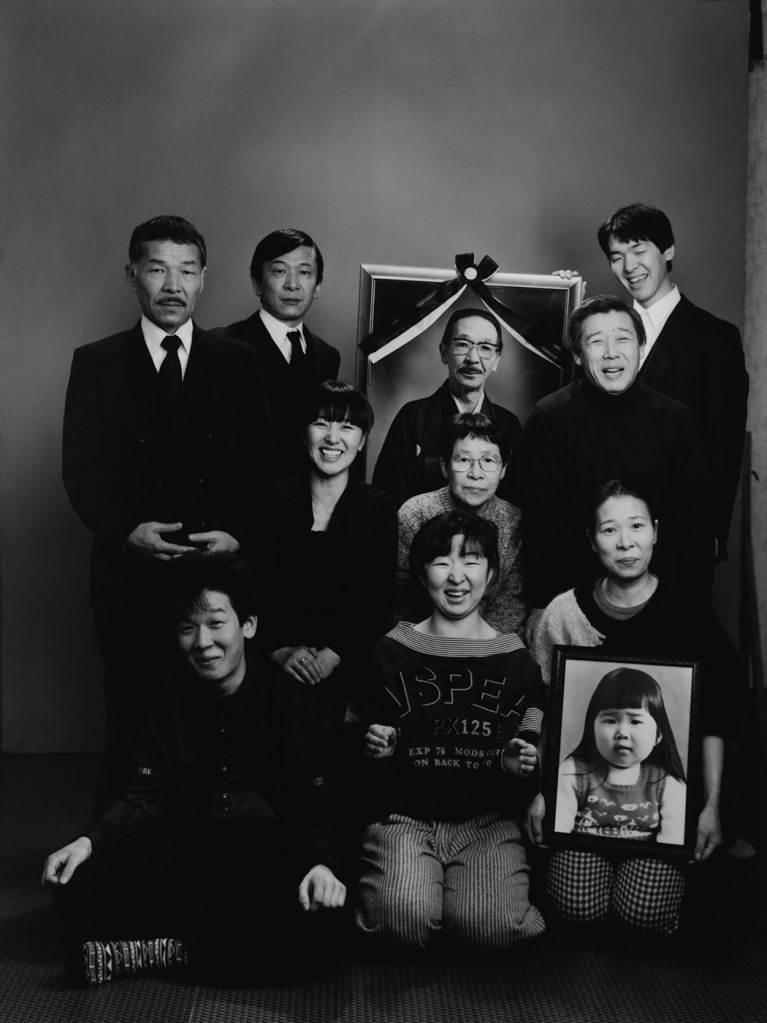
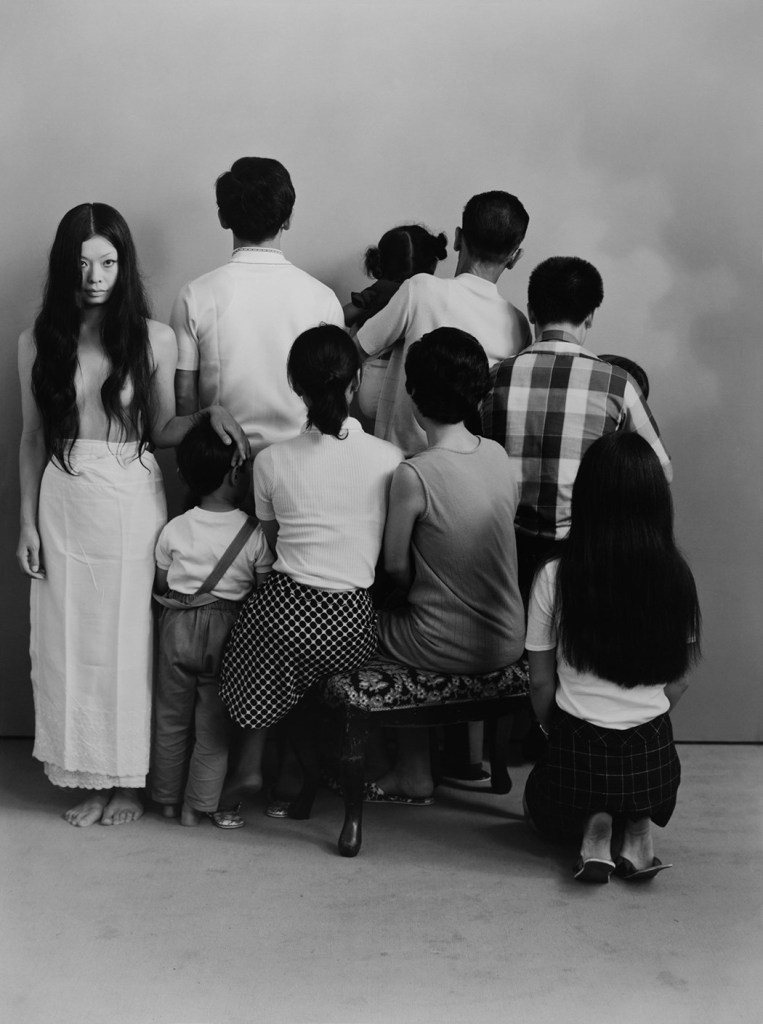
At present, I’ve only one idea that falls under the category of ‘mirror’. Inspired by the work of Japanese photographer Masahisa Fukase – specifically his photographs from the series ‘Family/Kazoku’ – my notion is to create a series of family portrait’s that reflect our feelings and emotions triggered by being in lockdown. Though, Fukase’s intimate portraits – that were taken over almost two decades – explore the theme of time passing and the changes to his family within this period – there are elements I’ve seen in his images that I’ve been drawn to, and feel I could adopt to my own portraits to portray the message I’m trying to achieve. In many of his photographs, we see family members holding up framed portraits of presumed deceased relatives. Of course, this wouldn’t be my reason, but, rather to show the family members we are unable to meet due to being in lockdown. However, the framed portraits used in Fukase’s photographs are large format prints, and his intentions for doing this are clear. Even though these individuals’ are deceased, he’s representing them as if they were present – alive if you will – standing or kneeling beside other family members. As a result, these portraits are incredibly powerful and do leave an impression on the viewer. Unfortunately, I own no large format prints of my family, and because of this, feel my images, in this regard, could lack in what Fukase was able to achieve. In other portraits’, we see his family with their backs turned towards the camera. I’m not certain what this represents, but, perhaps it’s depicting a family looking back (in time) and reflecting on what they were then, and what they’ve become – for better or for worse. Applying this notion within my portraits, my family could be looking back – metaphorically speaking – and contemplating our lives before, during, and even perhaps, after the coronavirus pandemic. I particularly like the portrait that shows Fukase himself, and I believe, his father. They are both topless and depicts clearly the effects ‘time’ can have on the human body. Fukase, who is still relatively young, appears strong and fit. Where his father, an elderly man by this point, appears weak and fragile. My idea is to take a self-portrait – topless of course – showing the effects lockdown has had on my body – specifically my weight gain – due to infrequent exercise that I’m usually accustomed to.
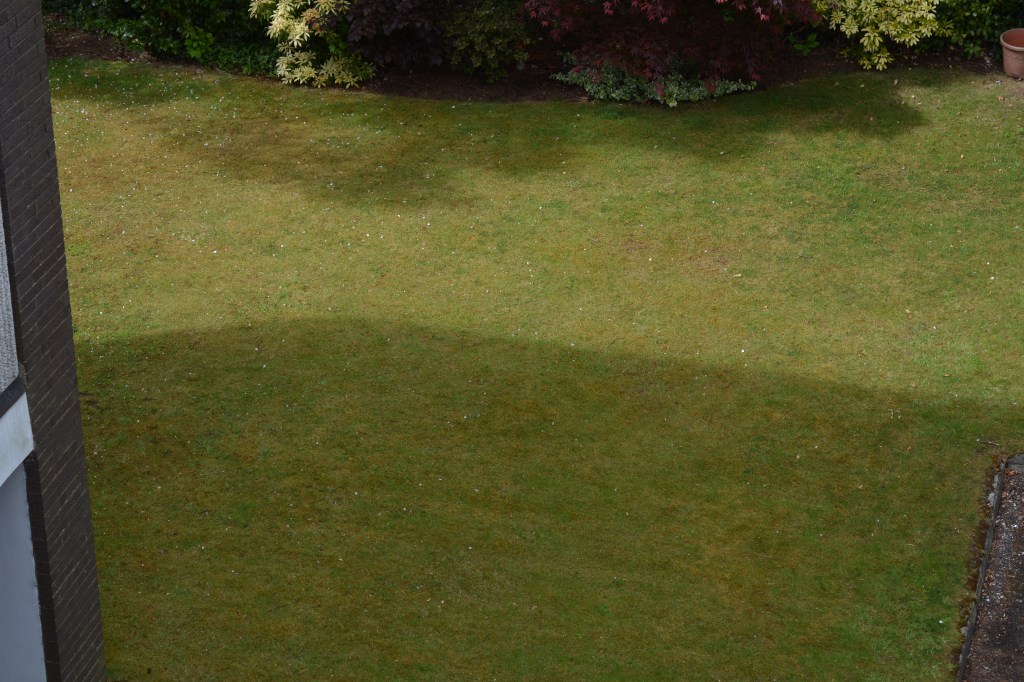
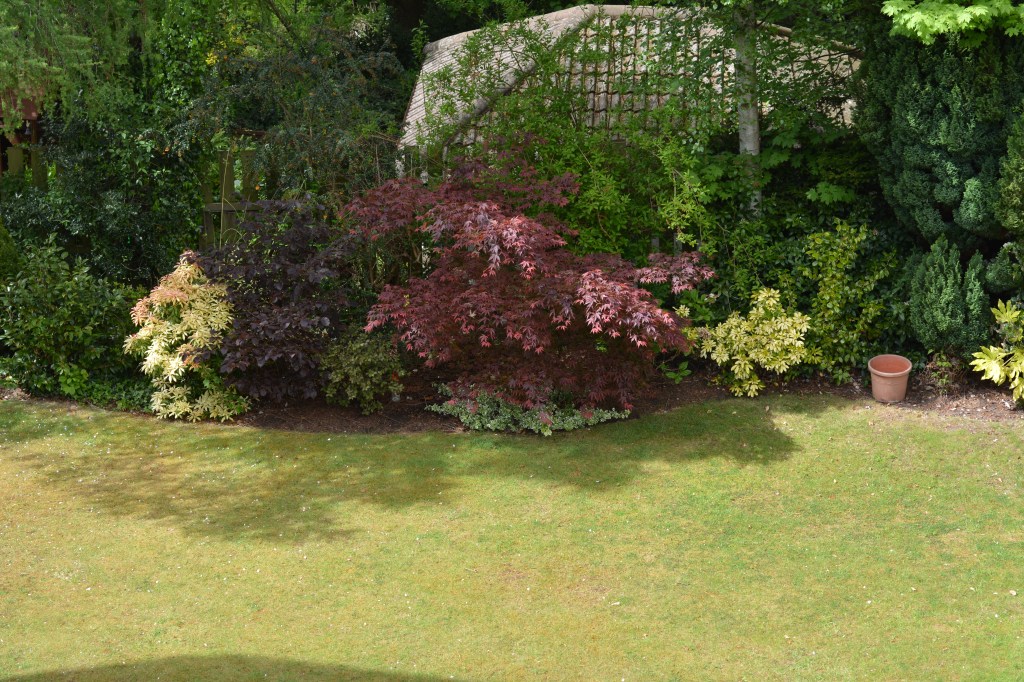
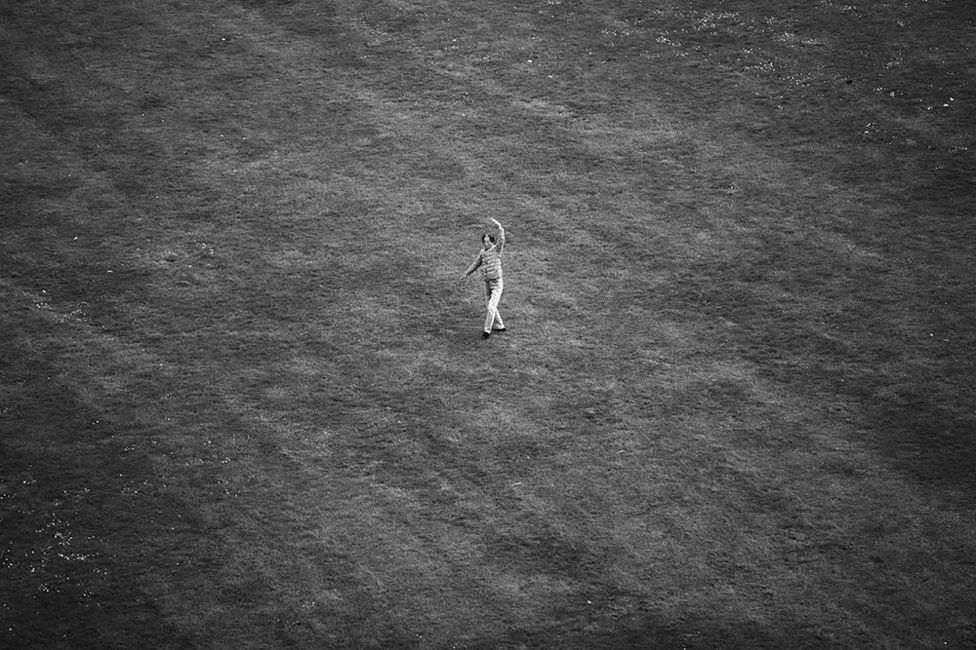
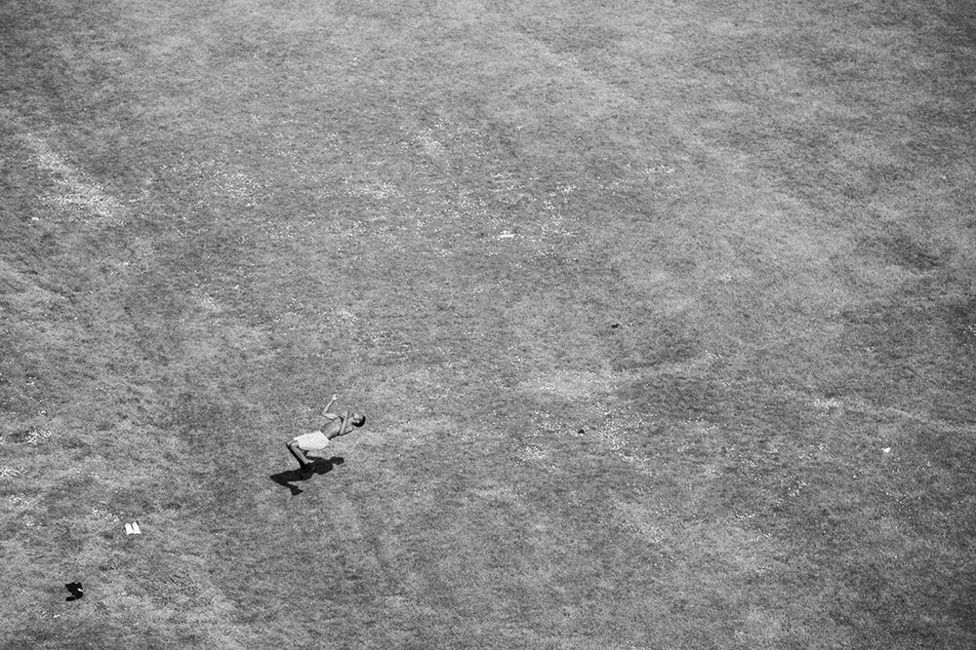
Whilst looking through the ‘photography’ section of the BBC news app, I’ve come across a visually beautiful photographic series aptly named ‘Field (2020)’ by photographer Jemima Yong. Her idea may seem simple, but in fact, it’s an accurate reflection of current times and depicts the notion of lockdown and social distancing extremely well. Her images show individuals’ – families and solitary soles alike – in a field that is overlooked by her home (where she took the photographs from) trying to regain some normality to their lives, if only for a short while. Though, like Yong, we know nothing about these individuals’, as a viewer, we get a better understanding of the communities they may belong to, just by observing the activities they are undertaking. I think this is a very fascinating way of gaining insight into local communities one might be unfamiliar with, and as a result, would allow my images – if I were to adopt a similar approach – to operate like a ‘window’. My ‘field’ would be a small area of garden behind the block of flats where I reside, which is sometimes used by the local residents for various activities – sport, relaxation, work etc. I overlook a section of this garden from my top floor flat, so have a great vantage point for taking photographs in a safe and discreet manner. One thing Yong does extremely well, and a compositional technique I often use, is the use of negative space. I think it isolates the main subject(s) within the photograph, thus, placing a stronger emphasis on them. I’ve taken a couple of test shots, and unfortunately, I’m unable to create the negative space which I desire, due to unwelcomed objects visible within the scene. Of course, there is the option to crop my images to eliminate these objects from the final image, but again, I feel this would be counterproductive in what I’m hoping to achieve visually. However, this certainly isn’t an idea I’ve excluded, and may in fact – after more planning – pursue further.
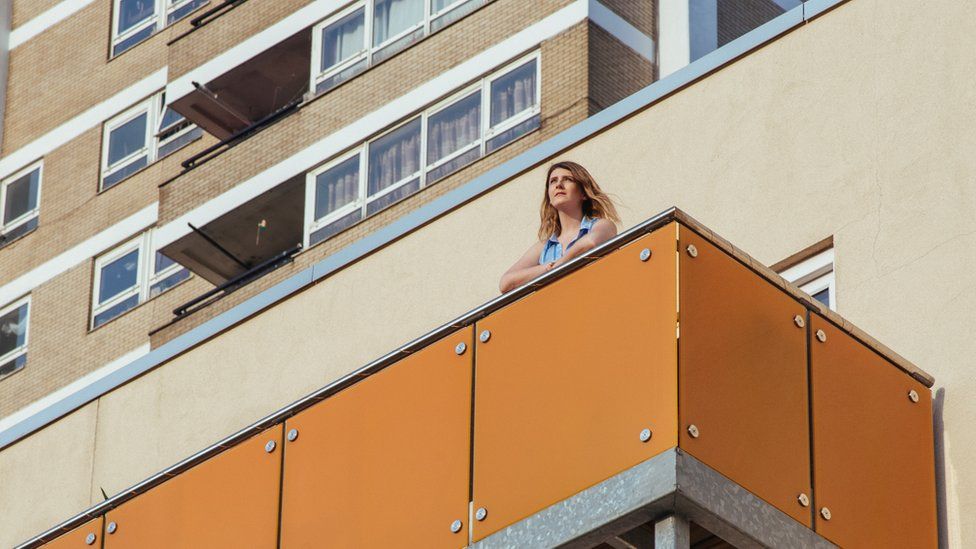
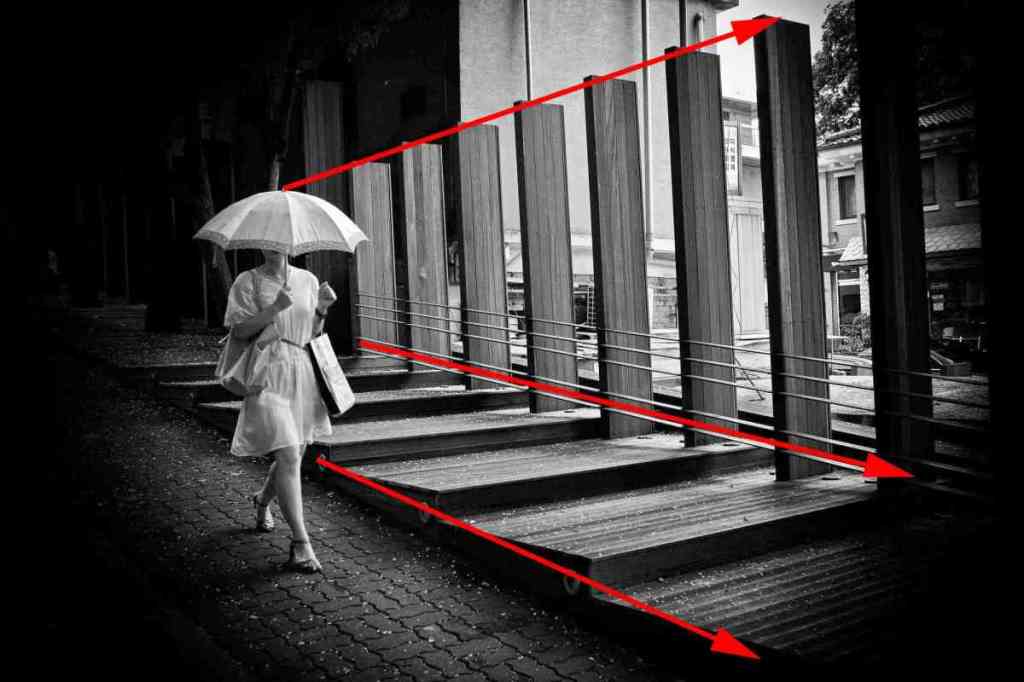
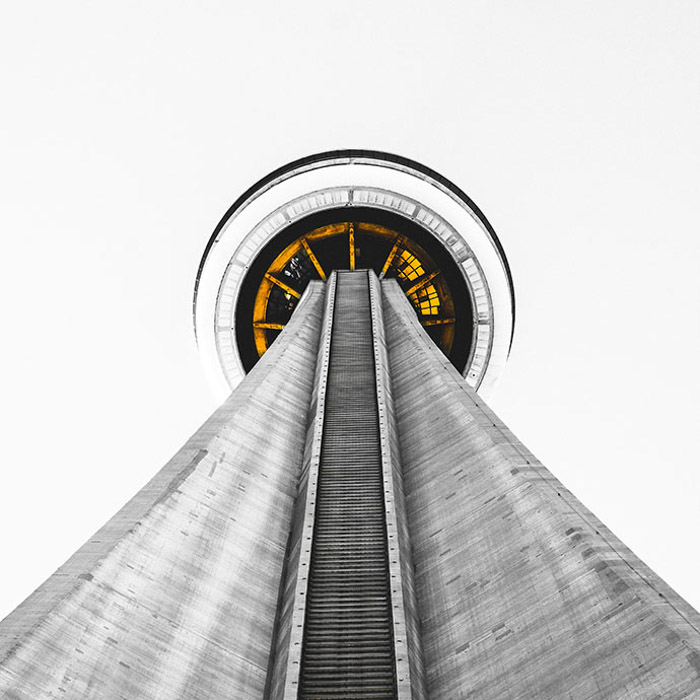
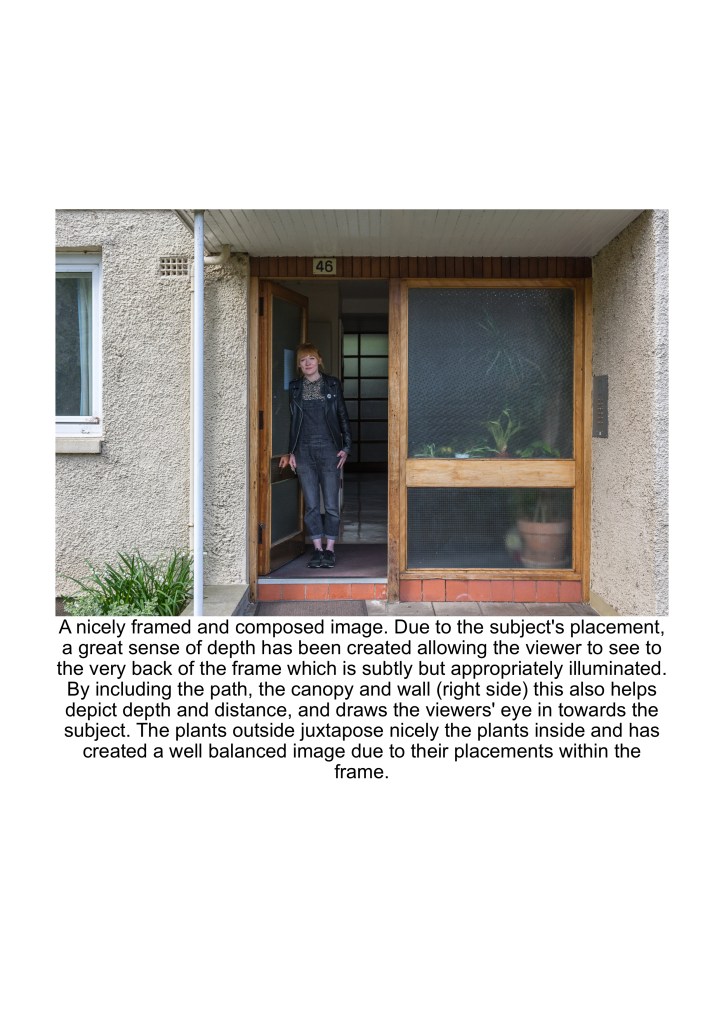
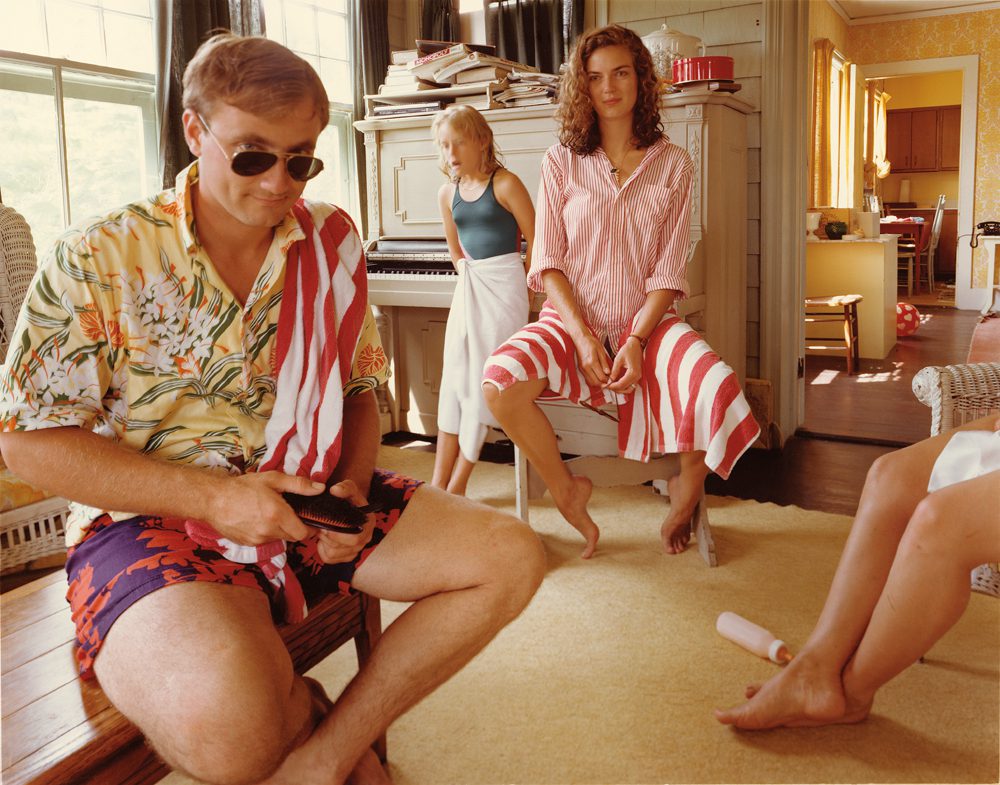
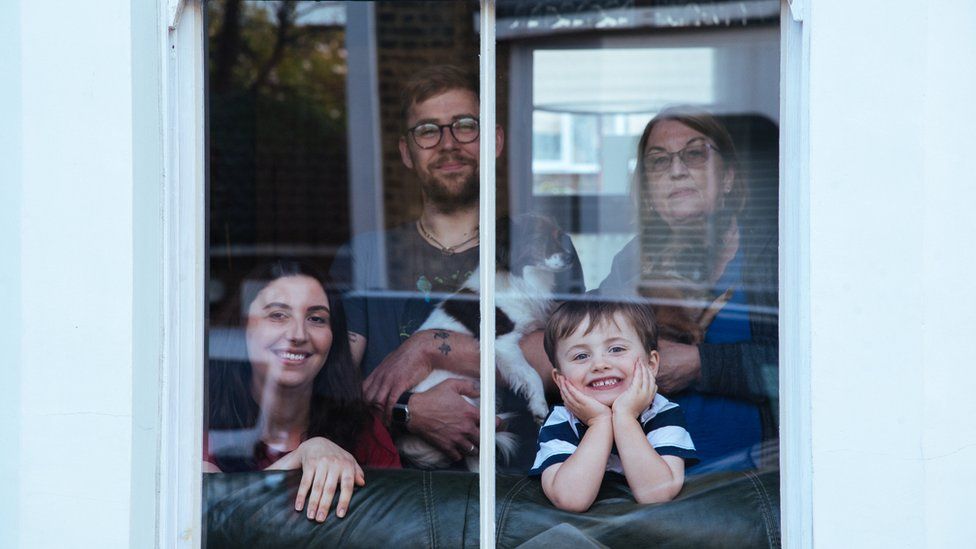
Currently, there are a lot of photography projects being done – surrounding the theme of ‘lockdown’ – where individuals and families alike, are being photographed through their windows or doorways, to represent isolation and social distancing. I’ve thoroughly enjoyed looking through these types of images, and feel they are an important documentation of current events, which will hopefully stand the test of time. However, I’ve noticed on many occasions, details surrounding these individuals’ are vague, and as a viewer, we don’t really get a sense of who these people are. However, I fully appreciate under the current circumstances that each photographer will have limited time with their subjects’, so, obtaining more information on them, just wouldn’t be possible. I’ve thought about ways in which I could create a similar project, specifically related to the communities that the subjects’ belong to. Unfortunately, I will not be able to spend time within these communities – as the brief for ‘windows’ suggests we do – so an alternative method is of course needed, but needs to be one that can be done in a safe manner for everyone involved. I’ve thought about creating a questionnaire – related to communities – that I would deliver around my local area. These documents would ultimately support the portraits of those who completed them – if they chose to participate further – which I’m hoping will offer the viewer a better insight into their community lives. I feel it’s important to strengthen the notion of social distancing, so would take into consideration the idea of ‘distance’. However, it’s vital that the subjects’ don’t become lost in the space created, so using leading lines to draw the viewer towards them is also a factor I must consider. I’ve revisited Tina Barney’s work, to gain a better understanding on how she creates space, and noticed that in many of her images, the inclusion of an open door is used, which results in the photographs depth – or ‘distance’ – being increased instantaneously. I believe I may have opportunities to apply the same photographic technique within my images. I’ve also done some brief research into architecture photography, to see how ‘lines’ – created by the buildings themselves – can be used effectively, which in my case, would be for the sole purpose of leading the viewer towards the subject and perhaps framing.
References

Fever Bee. (2010). ‘Types of Communities’ [Online] Available from: https://www.feverbee.com/wp-content/uploads/2010/11/TypesofCommunities.pdf

AnOther. (2019). ‘Masahisa Fukase’s Intimate Portrait of His Own Family’ [Online] Available from: https://www.anothermag.com/art-photography/11964/masahisa-fukase-family-kazoku-mack-books-2019

Creative Review. (2019). ‘Masahisa Fukase’s family portraits taken over 20 years’ [Online] Available from: https://www.creativereview.co.uk/masahisa-fukase-family-mack/

Aperture. (2019). ‘Father Figure’ [Online] Available from: https://aperture.org/blog/masahisa-fukase-family/

Jemima Yong. (2020). ‘Field (2020)’ [Online] Available from: https://jemimayongphotography.format.com/field-2020#0

BBC News. (2020). ‘Coronavirus: The view from my window’ [Online] Available from: https://www.bbc.co.uk/news/in-pictures-52298901

BBC News. (2020). ‘Coronavirus: London photographer captures life in lockdown’ [Online] Available from: https://www.bbc.co.uk/news/uk-england-london-52282795

WordPress. (2020). ‘Tina Barney’ [Online] Available from: https://iainbarbourocaiap.photo.blog/category/research-and-reflection/

Expert Photography. (2029). ‘The Complete Guide to Architecture Photography: 98 Tips’ [Online] Available from: https://expertphotography.com/complete-guide-architecture-photography-98-tips/

Eric Kim Photography. (2020). ‘7 Leading Line Photography Composition Tips’ [Online] Available from: https://erickimphotography.com/blog/2017/02/23/6-tips-to-integrate-leading-lines-into-your-photography-composition/
Assignment Three: Mirrors or Windows – Reflections

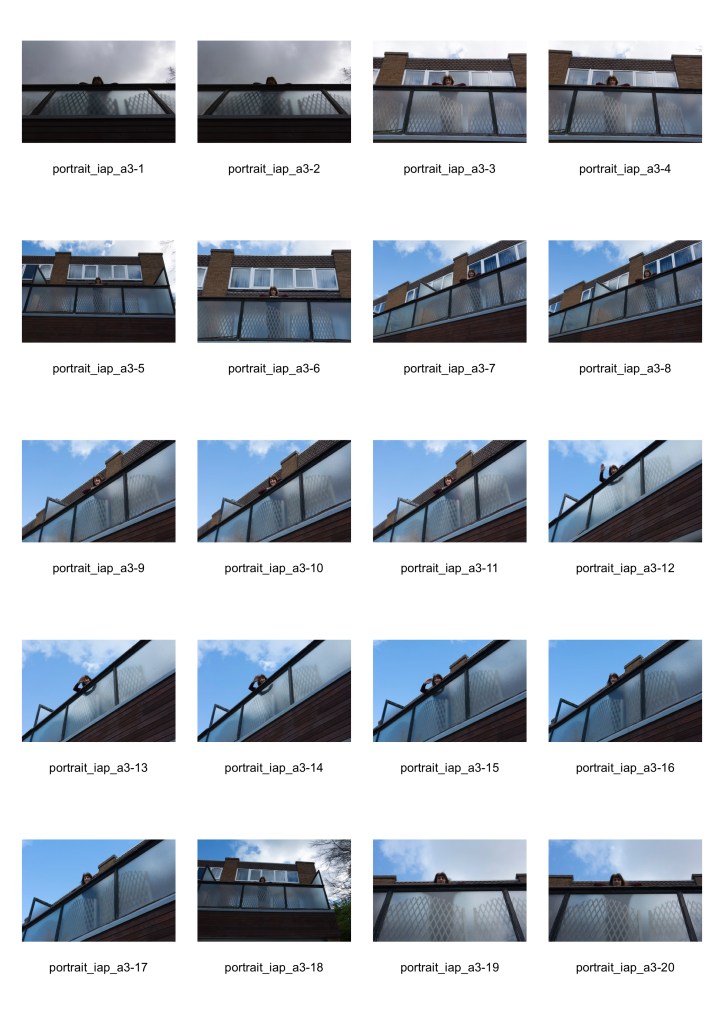
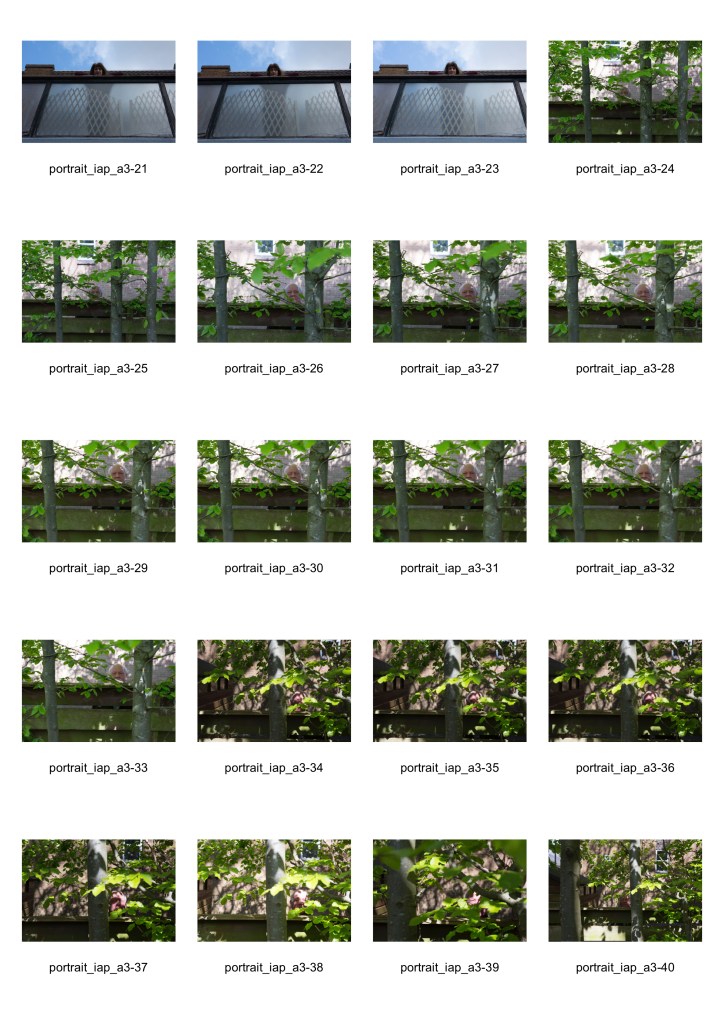
I certainly feel I challenged myself with this assignment, and could have chosen the more obvious option of ‘mirrors’, which I believe would’ve been an easier process all round. I feel under the difficult circumstances I faced, I adapted to an almost impossible ‘windows’ brief, and by using what I’d consider to be an imaginative alteration in regards to how it was approached, I was still able to achieve what was required. For me, the questionnaire was the safest means to gaining information about communities and those associated with them. However, I do believe under different circumstances, I would have had greater results in regards to responses, and understandably, people were reluctant to take part in the process. Still, those who did, were absolutely fantastic, and I think showed the optimistic spirit that is needed right now. The process of creating the portraits’ was certainly testing, as I usually like to take my time and be methodical with my approach. Of course I wanted to take lots of purposeful images of my subjects’, but at the same time, spend as little time with them as possible, as my primary concern throughout was the well-being for everyone involved. I believe I got the balance right, and though I didn’t overstay my welcome, I took enough photographs of each subject for it to be beneficial when making a selection for the final series.

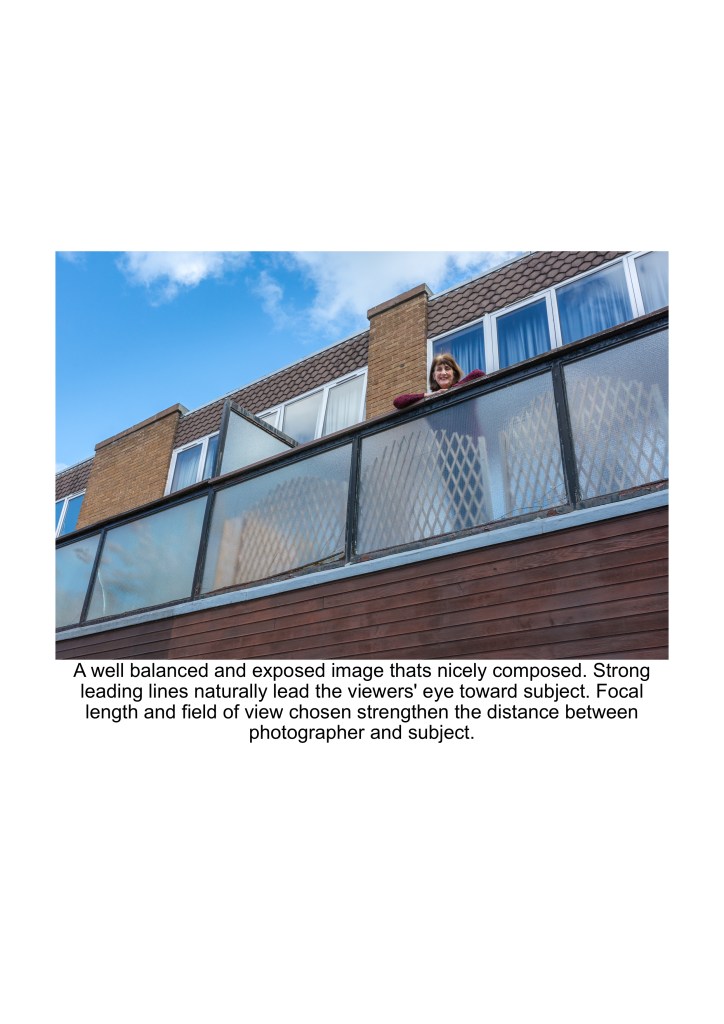
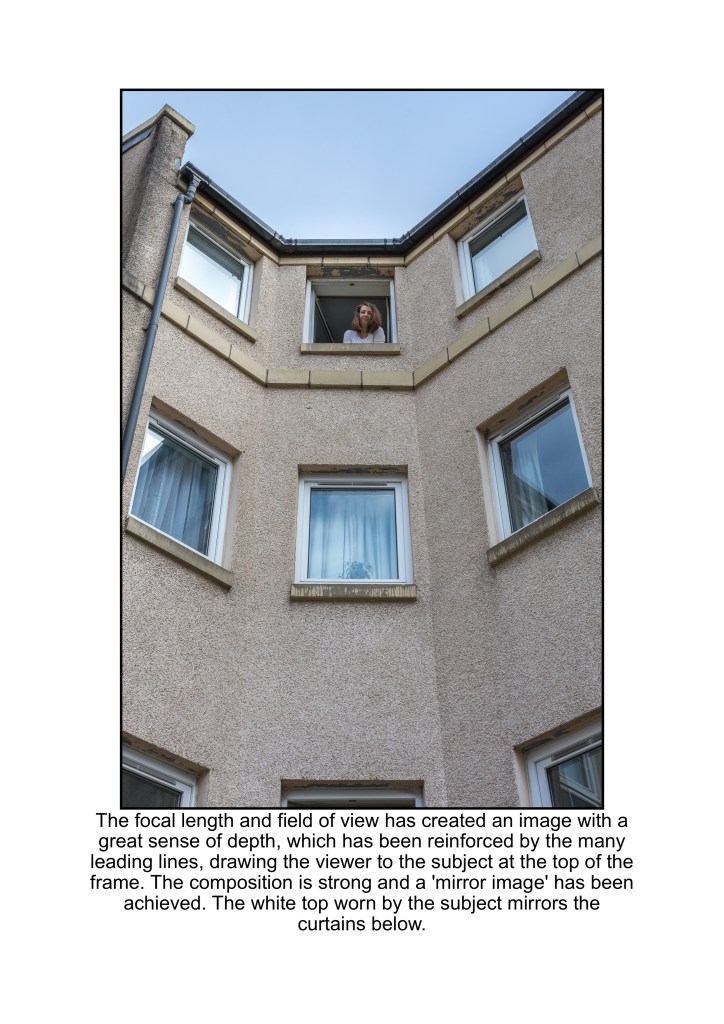
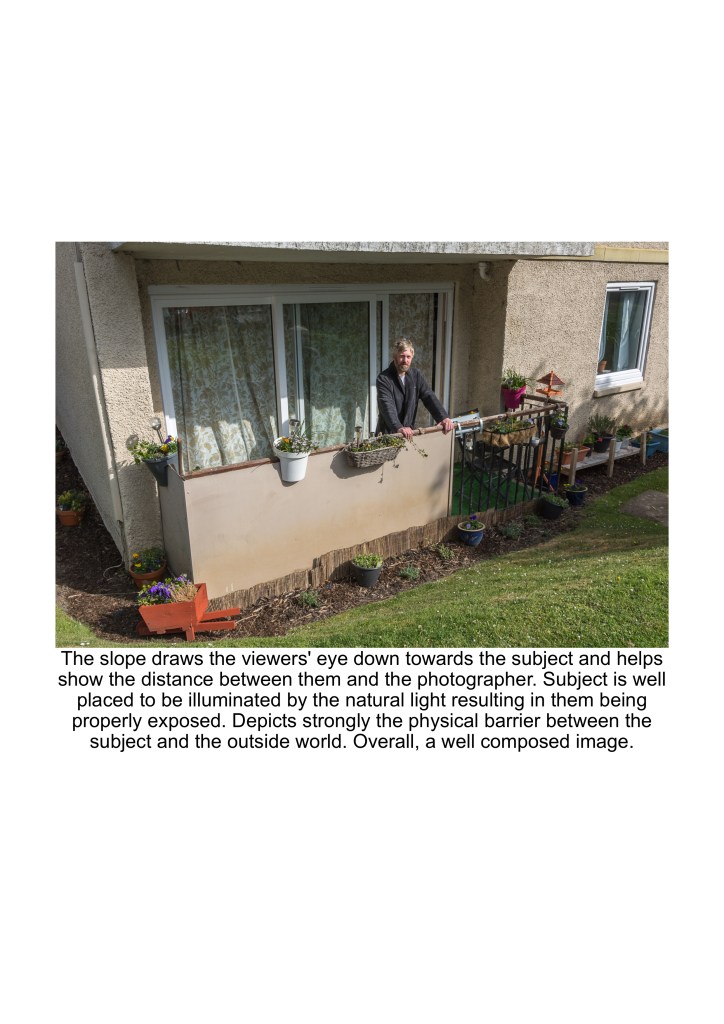
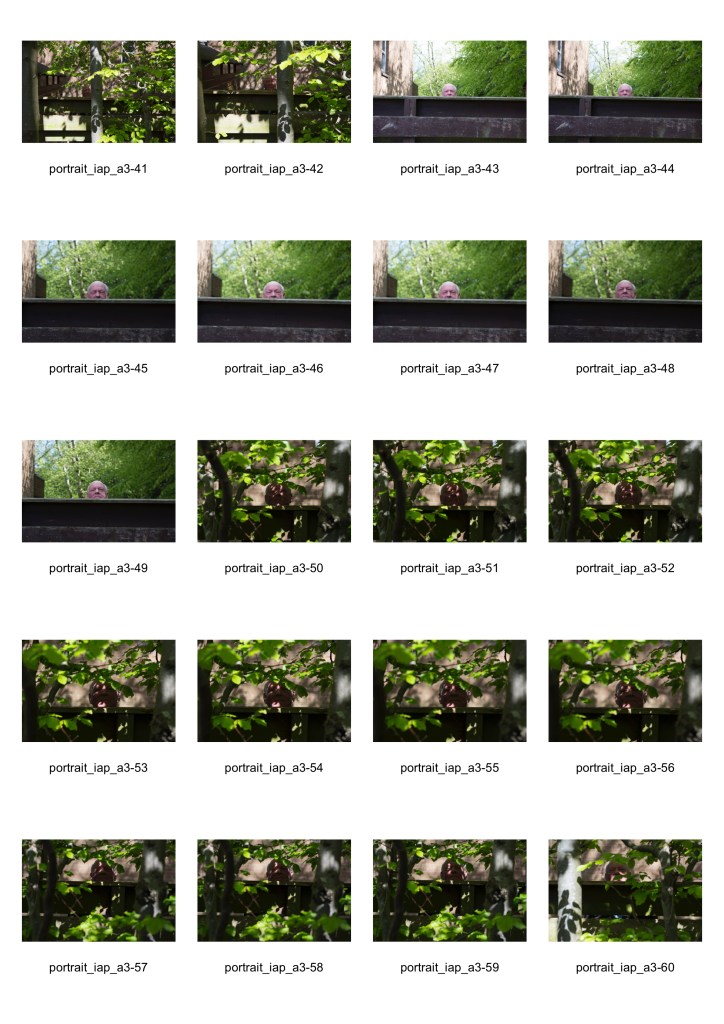
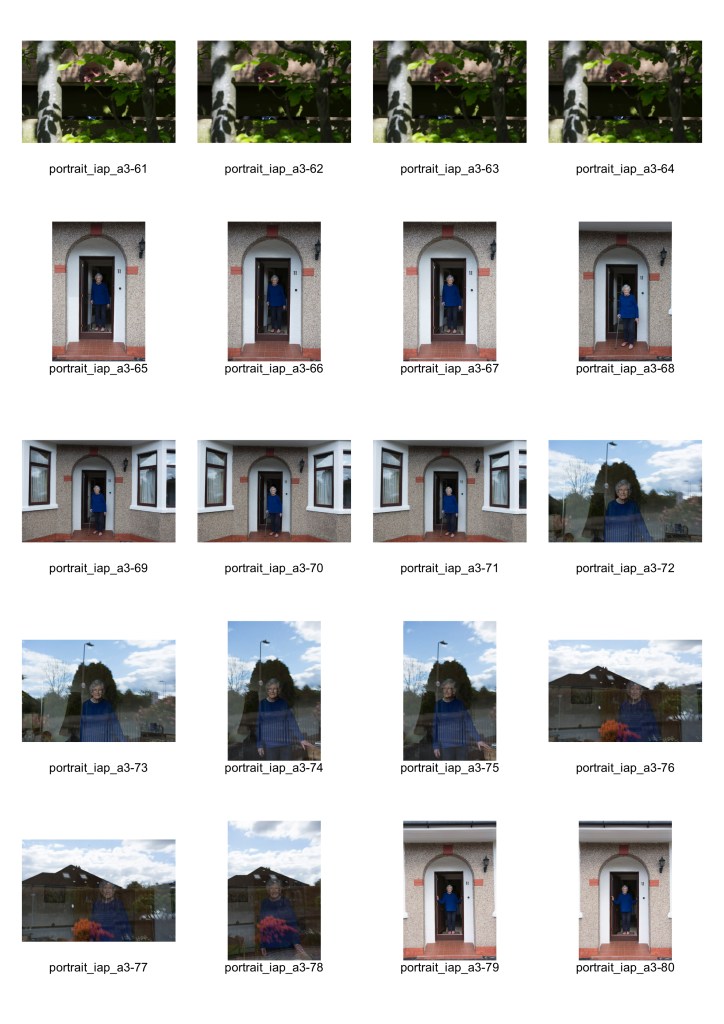
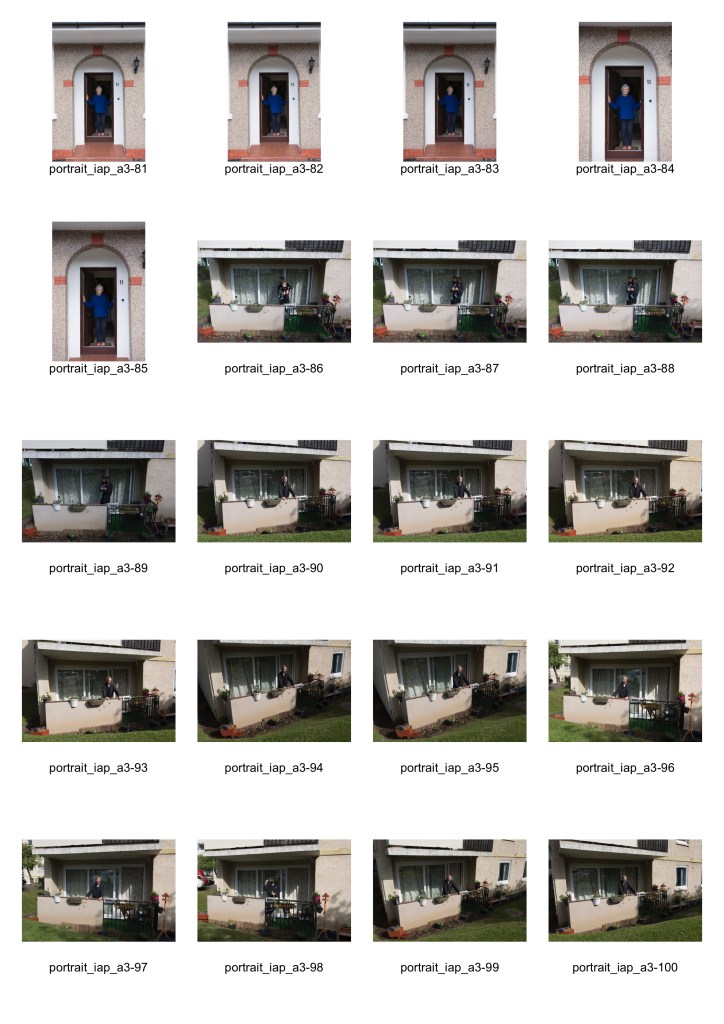
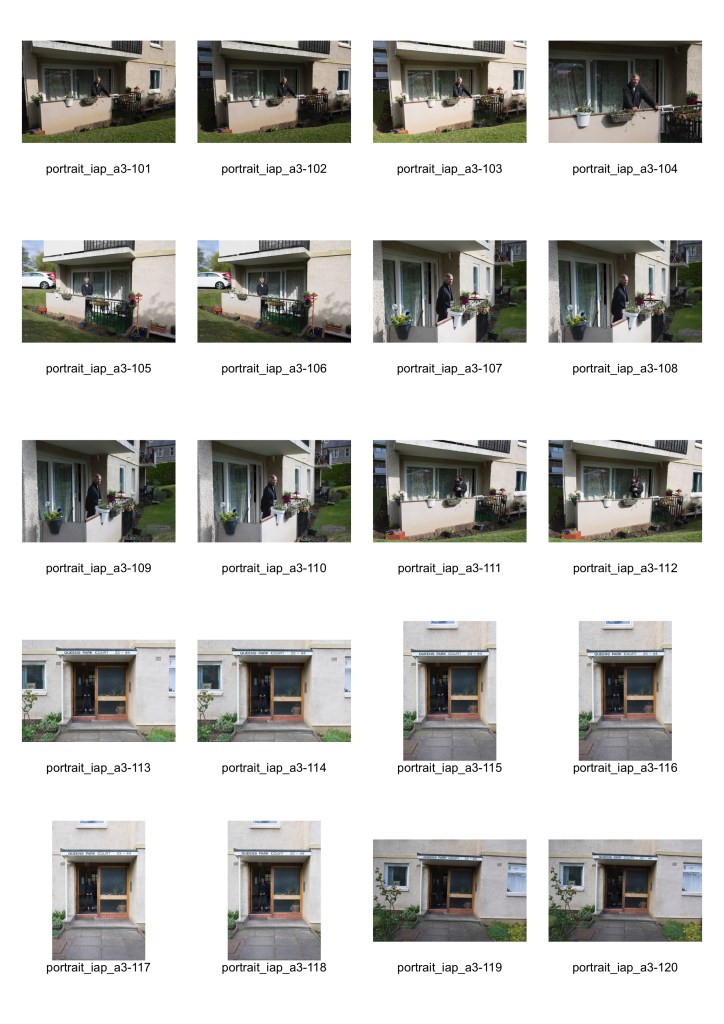
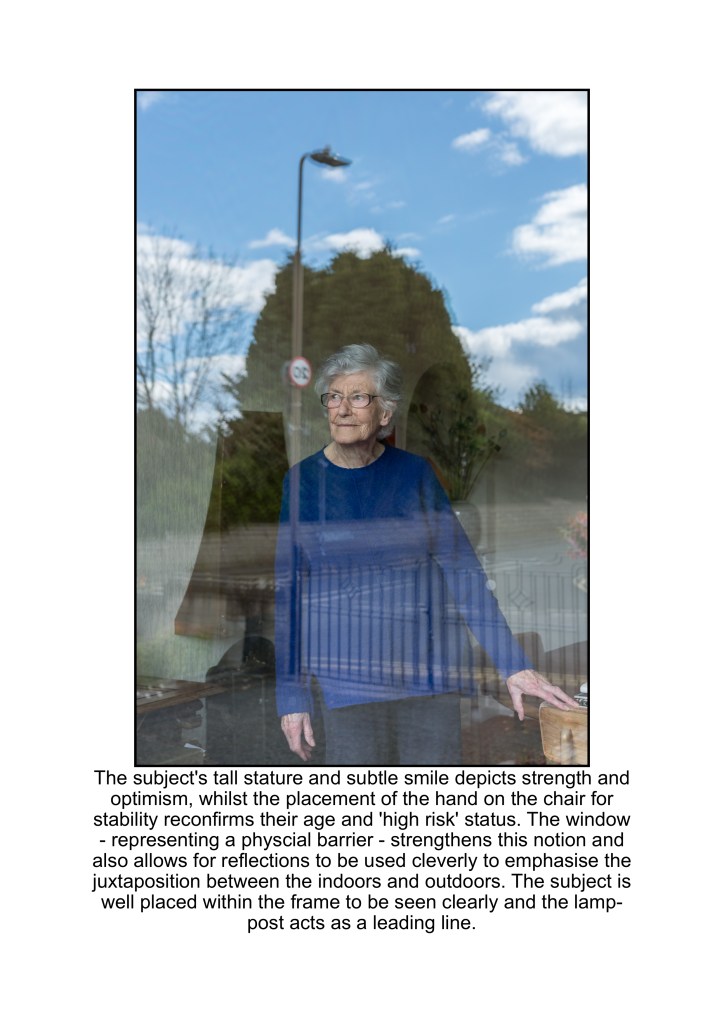
Technically, the process of taking the portraits’ was relatively straight forward. I swapped between two lenses – 18-35mm and 60mm – depending on the type of image I was trying to create, and what information I wanted included within the scene. I had to use manual focus for images 1 and 2, as the branches / leaves on the trees, and the reflection in the window, affected the autofocus considerably. I very rarely use manual focus, but as both subjects’ were fixed in one place, it wasn’t a difficult undertaking. My compositional technique is something I’ve been working very hard on, and I believe this is reflected in my images. Emphasising the notion of social distancing and isolation for the viewer, whilst making sure the subject remained the focal point, was probably the most important factor to consider, but the hardest to achieve. Consciously using leading lines in my photography isn’t something I do often, so having to view a scene and determine where to place my subject, based on what ‘lines’ will be most beneficial in terms of making them the point of interest, whilst considering the composition as whole, was very challenging for me. However, I think my use of leading lines are very effective and purposeful, and actually, apart from image three, are quite subtle. Framing my subjects’ effectively was easier to achieve, as the building structures themselves – on some occasions – created these frames for me. My subject in image one though, was the hardest to ‘frame’. Because I wanted the distance between myself and the subject to be less than the others – because I was able to – I ultimately removed the natural, but perhaps obvious ‘framing’ object from the scene – the window frame. However, I noticed the reflection of the dark hedge in the window, and felt it would work well at both highlighting my subject, but framing them also. I’m very pleased that I’ve be able to apply layering and depth within all my images – even image one which I didn’t think would be possible. I think the best example of this though is seen in image four, where by simply placing the subject to the side of door frame, the viewer is able to see to the very back of the scene, making it appear larger than it actually is. Plus, we get to see an interestingly designed door, which is also acting as a back light for the subject. The concept of juxtaposition is something that took me a while to understand, and honestly, is something I’ve never considered applying into my photography until this assignment. I tried very hard to depict both natural and manmade elements i.e. the buildings, and think there is a nice balance of each within all portraits’. I particularly like image four in this regard, as the ‘natural elements’ are subtle and requires the viewer to investigate the image closely to receive that information.

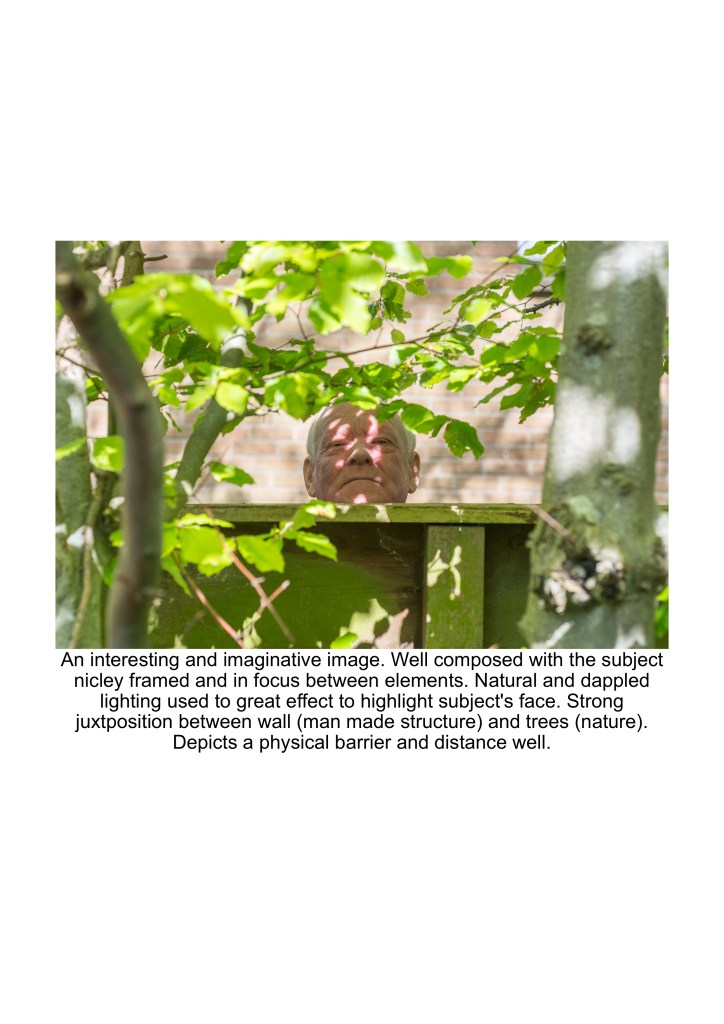
I always like to be creative as possible with my photography, and this assignment was no exception. I could have easily produced eight images of individuals’ standing at windows or in doorways, but that would have made for a rather boring and repetitive set of images. Instead, I used a variety of locations, and particularly enjoyed choosing objects that would represent the subjects’ ‘barriers’ to emphasis the idea of social distancing and isolation. Image two is a great example of this, as by just making the subjects head visible, it gives the impression that he doesn’t want to expose himself too much to other people. It also makes for quite an amusing photograph, despite the negative connotations surrounding it. I also tried to experiment with visual perception, and think the images’ where this has been applied work well. Obviously, for images’ three and five, I had no choice to photograph the subjects’ from below, so the perception created was inevitable. However, for image six, I purposely stood on top of the hill – which I didn’t have to – to get a view of looking down on the subject that ultimately helps create distance.

Overall, I’m very happy with the way I approached this assignment, and ultimately, with the images that I have produced. I think the questionnaires support the portraits’ effectively, and offers the viewer some insight into who the subjects’ are and the communities they are linked to. I have carefully considered the order my images should be presented in, and though I feel they all have a place within the final series, the images I consider ‘better’ are at the start of the set.

Assignment Three: Mirrors or Windows – Tutor feedback

As my tutors report can be found on my blog, I won’t repeat what has already been written, but will however, reflect on some of these points further and mention topics that have not been included that I believe to be important for my development. 

To be honest, only a short time from our discussion was spent talking about my assignment. However, from the feedback I did receive, I left the call feeling happy with the thoughts my tutor had on it. Overall, he appreciated the effort I put in – especially under the difficult circumstances – and thought the inclusion of a questionnaire was a clever way of gaining information about individuals’ and their communities, but also made the project more ‘personal’ – something I’ve been working hard on since assignment one. He also noted the variety between each of my images’, which I was pleased about, as this was an important part of the brief and something I worked hard on to achieve. We discussed the use of flash – again – and how by using it, my images would benefit greatly, if used in the right situations. For example, he felt that if I had used flash in image four and six, it would have acted as a fill light, highlighting the subjects’ and enhancing them within the image. We have discussed using flash before, so for the next assignment, I must use it if I think it will be beneficial.

My tutor made a very good point about my presentation of my posts on my blog. I currently do this in a very systematic way, for example my ‘initial thoughts and preparations’ are at the top, with my selection of images near the bottom. He explained for assessment purposes, I need to do this differently, and by having an ‘assessment’ tab perhaps, produce a short written explanation that supports each assignment, followed by the relevant images. This means if the assessors want to read such things as my main essay, or my ‘reflections’, they can do so by navigating through a separate tab.

We discussed the importance of why images should ‘sit well’ together within a set, and ways of achieving this. My tutor mentioned he makes prints of his photographs, as having physical copies in front of you, is very much different to reviewing them off a screen, for example. That got us talking about printers, and if it would be worth me investing in one. I’m still not sure, and think it might be cheaper, but perhaps not easier, to have an online printing company do this for me. I learnt about a process called ‘lightjet’ printing, which sounds interesting and something I will do further research on.

Exercise 4: The gaze

  • The spectator’s gaze – the look of the viewer at a person in the image.
  • The internal gaze – the gaze of one depicted person at another within the same image.
  • The direct address – the gaze of a person depicted in the image looking out directly, as if at the viewer (through the camera lens).
  • The look of the camera – the way the camera itself appears to look at people depicted in the image (the gaze of the photographer).
  • The bystander’s gaze – the viewer being observed in the act of viewing,
  • The adverted gaze – the subject in the image deliberately looking away from the lens.
  • The audience gaze – an image depicting the audience watching the subject within the image.
  • The editorial gaze – the whole ‘institutional’ process by which a proportion of the photographers gaze is chosen and emphasised.

When we think back to an event we have attended, or, a holiday we’ve been on, it is often the case that we cannot remember every specific detail, or, moment that we encounter. I find it amusing when we hear the term “an unforgettable experience”, as I find the longer time passes, certain details surrounding it can become fragmented. As we know, photography is a fantastic way to rekindle those memories. When we revisit those images we took – however long ago – we usually have the ability to take ourselves back to an exact moment and reconnect to that experience, which we may have struggled to do otherwise. This is very much relatable to John Berger’s theory that photography is able to create a loophole in time, connecting the moment a photograph was taken, to the time it is viewed – despite the length in between. Of course, this is a theory very different to that of Henri Bergson, who coined the term ‘pure memory’, which allows us to store away our memories essentially, and recall them when desired. I think though in regards to photography, Bergson’s theory perhaps should be err on the side of caution. I agree that most people will have ‘pure memory’, but those types of memories will certainly be limited. If, as photographers, we relied on this theory too often, the amount of photographs we would actually take would dwindle – unless it was being done, purely for others to see.

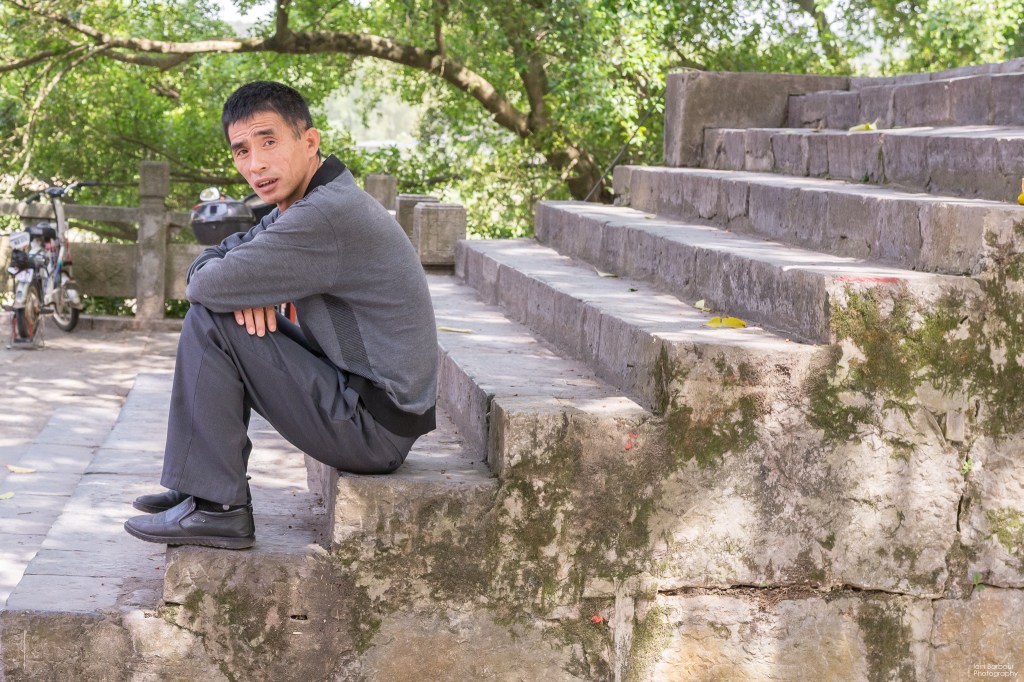
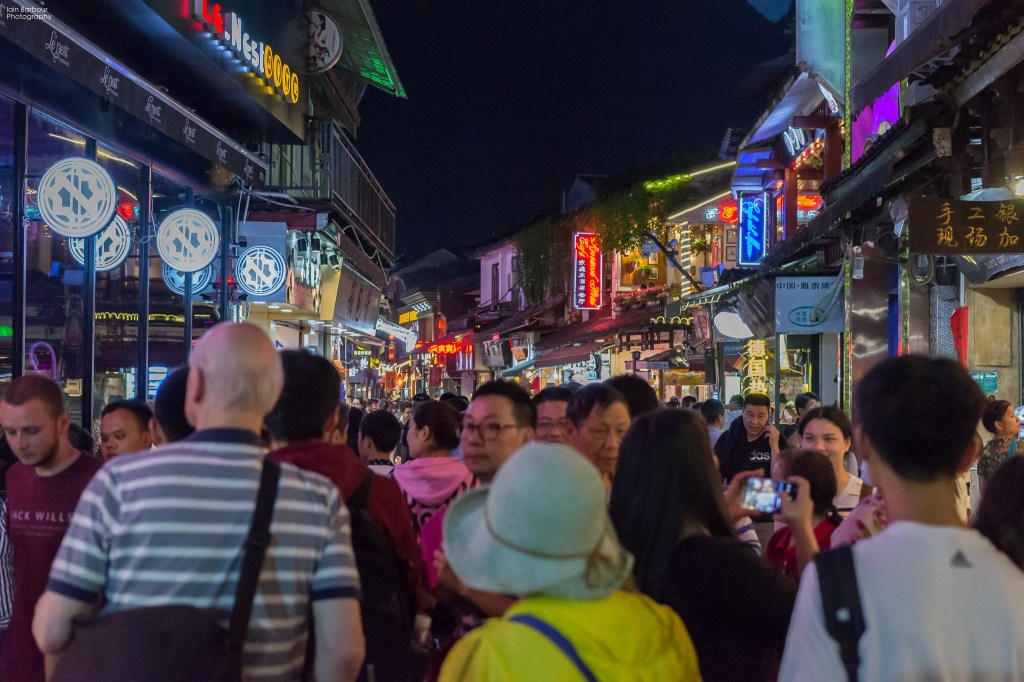
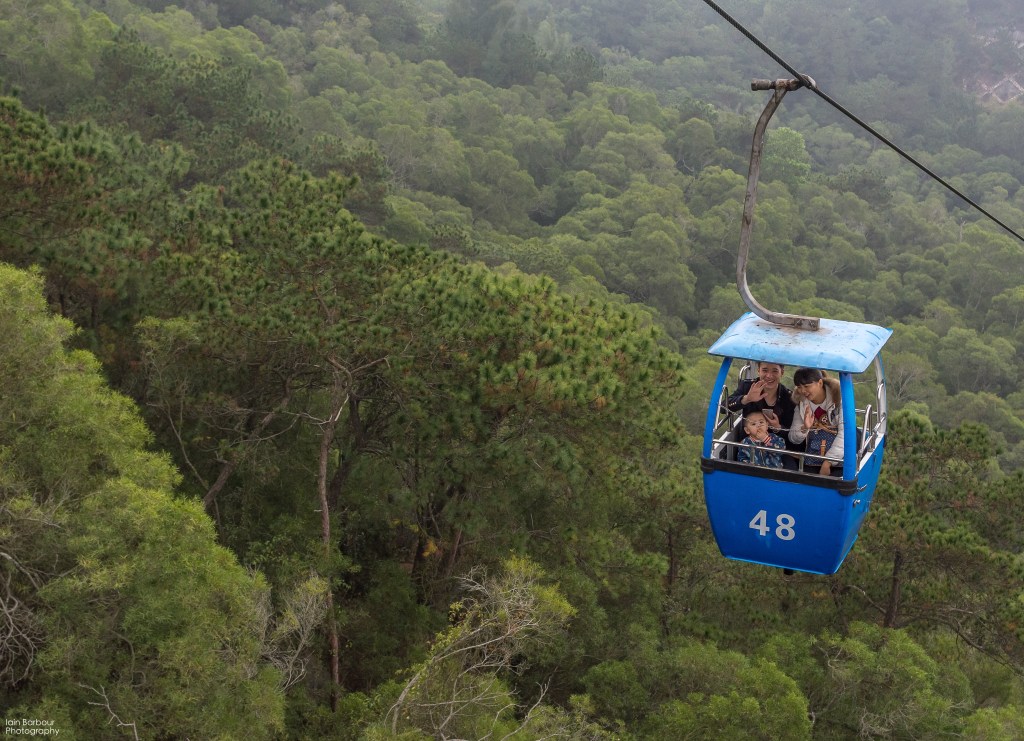
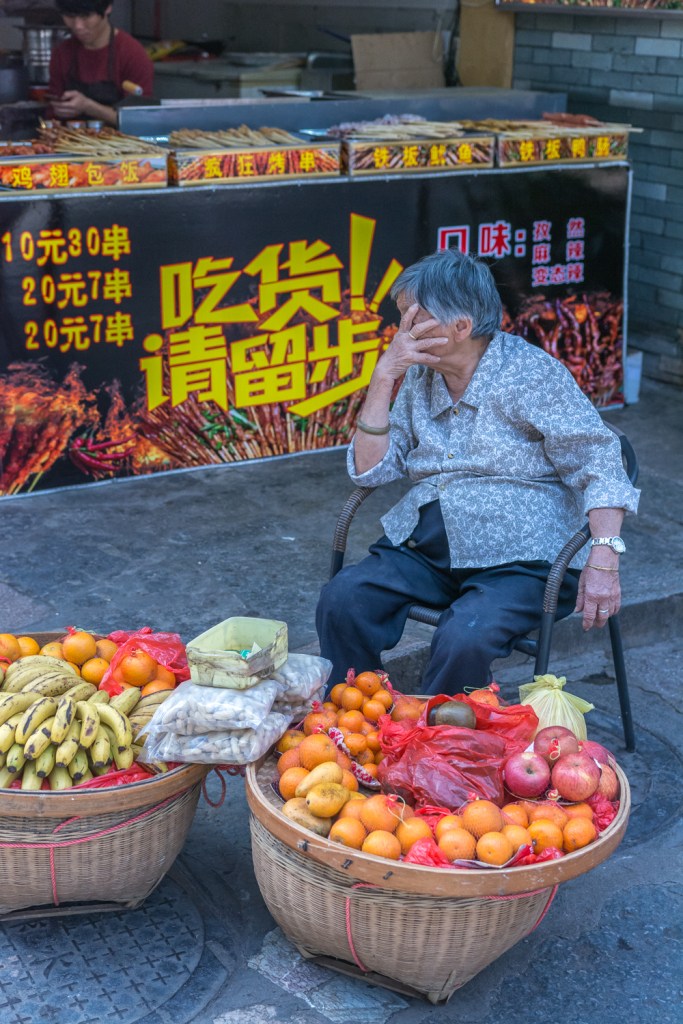
For this exercise, I have chosen five images that I took during my holiday in China, as due to the lockdown situation, I was limited in terms of subjects’. During my trip, I took a lot of photographs of people. However, my memories of what they looked like and how they were reacting in the images had been forgotten. I saw this as an interesting opportunity to revisit these images and specifically look for the different gazes that were evident, but unbeknown to me at the time of taking the photographs.

The internal gaze

Although there is only one person evident within the frame, what is being implied here is an interesting and clever take on the internal gaze.

The direct address

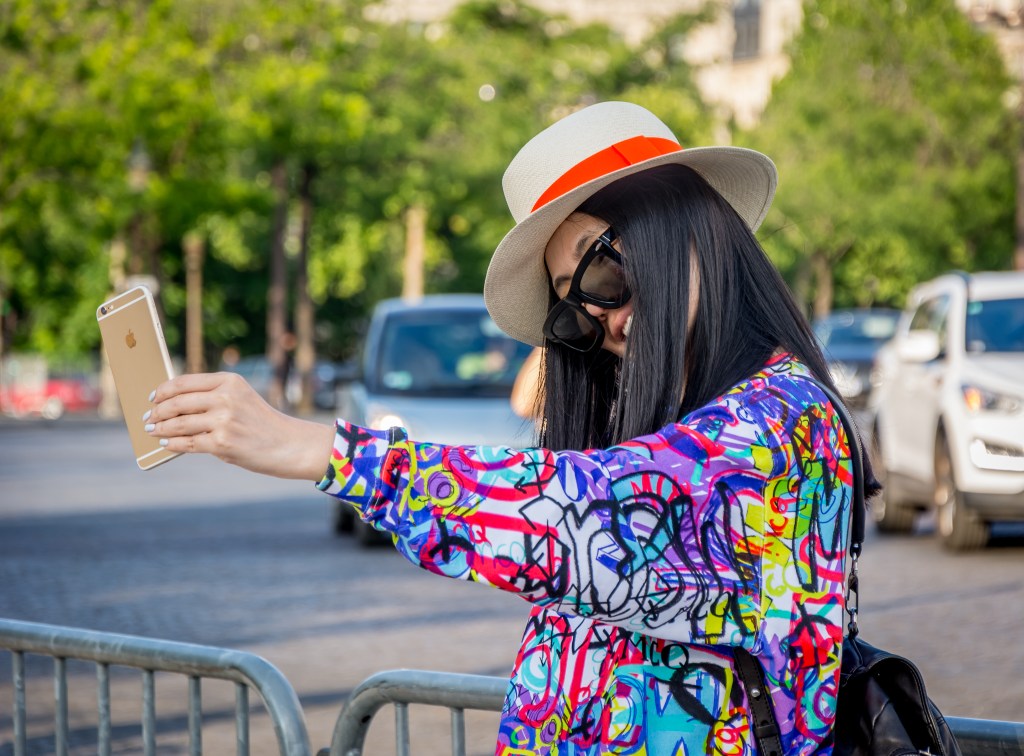
This image is self-explanatory, but non the less, a great example of the subject looking directly down the lens.

The look of the camera

This image is effectively my gaze at those individuals’ within the scene. Taking into consideration the height the photograph was taken and, the close proximity of the people, how will the viewer feel?

The Bystander’s gaze

This is a subtle example of this type of gaze – possibly due to the distance between the camera and subject – but strongly depicts the main viewer – the little boy – being observed in the act of viewing.

The adverted gaze

This shows a strong and, perhaps uncomfortable example of the adverted gaze, where looking away deliberately simply isn’t enough.

Exercise 3: Reflecting

For centuries there has been prejudices made towards individuals or groups, who are considered by those making those judgements, to be insignificant to them. As long as there are people on this planet and class systems present, this will never change. Though this attitude cannot be justified, I do think for the majority, the way they think or act towards these individuals is a direct result of their upbringing, lack of education and of course, the social group they belong to.

The reasons why these individuals’ or groups have been portrayed badly, or, unhelpfully, has of course changed over the years. But, could it be more difficult for these people in today’s society? I think it could be. I believe the media is a contributing factor and, we are seeing ever-increasing ways to portray these people – fairly or not – to those who may not fully understand the situation, or their circumstances and, who have the ability to make their feelings known to all at a click of a button. Its one thing seeing this negative and cruel attitude within the general public, but when “world leaders” such as Donald Trump are targeting these people quite openly, you have to think what hope do we have in eliminating this? What social group we belong to can of course help fuel this prejudice even further. The biggest challenge here I feel are the influences other’s within the same group could have on someone who doesn’t necessarily share their views – whatever they may be. I think it’s very common for these views to rub off on people, so to speak, the more you associate with them, and the cycle continues.

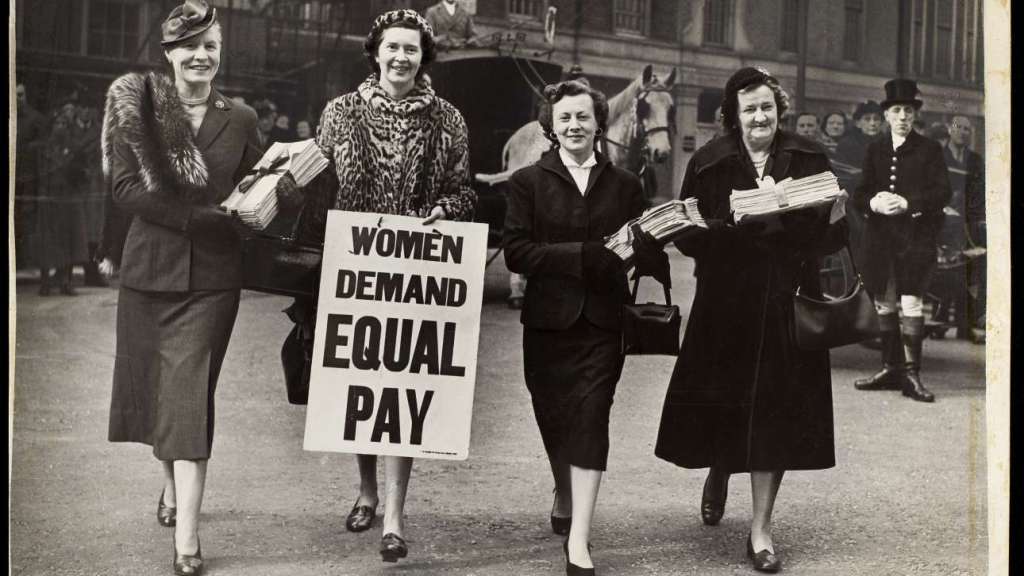
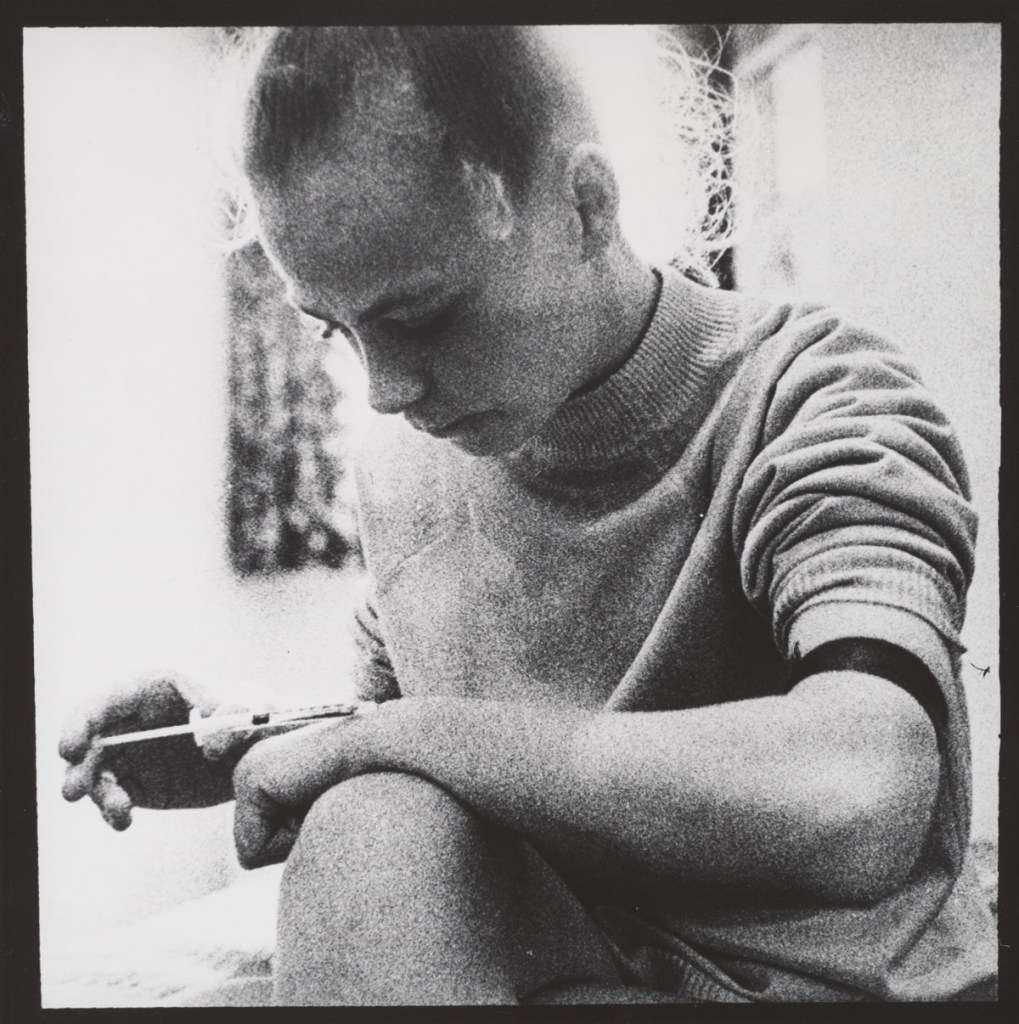
When it comes to incorporating this topic into your photography, I think the line of being insensitive towards these individuals’ and groups could easily be crossed. I believe the reasons why a photographer is wanting to explore these types of situations and people, will depend on how derogatory their work will be viewed by others. For example, are they choosing to photograph women in what could be considered ‘male orientated’ roles, to highlight that they can’t do the job, or, to emphasise that this is a serious issue and effectively promote a problem that needs to be addressed. Perhaps, what is chosen to be photographed surrounding these subject’s being discussed will also be of some importance. For example, if the photographer was doing a series on drug use, rather than images depicting the taking of drugs – which may promote negative connotations – showing the effects the use of drugs can have, for example, broken relationships, might create a more empathetic feeling towards the subject and those involved.

As a photographer, I think being involved with one of these marginalised or under-represented individuals or groups, would be extremely beneficial in how and why we take photographs of them. By allowing photographers to have a better understanding of those involved and build relationships with them, we can ultimately present them and the situation in an empathetic way. I believe being unbiased about the topics you are photographing is favourable, however, in this instance, it still leaves room for misinterpretation by the viewer, that could lead to prejudice. It would also make us – the photographer’s – reflect on how we would want to be portrayed if in a similar situation, and therefore, may be more selective in what we decide to photograph.

References

University of London. (2020). ‘Equal pay for equal work: Jill Craigie’s To Be a Woman’ [Online] Available from: https://london.ac.uk/news-and-opinion/leading-women/equal-pay-equal-work-jill-craigies-be-a-woman

On Curating. (2020). ‘Shooting Up in the Museum: Intravenous Drug Use in Brian Weil’s The AIDS Photographs’. [Online] Available from: https://www.on-curating.org/issue-42-reader/shooting-up-in-the-museum-intravenous-drug-use-in-brian-weils-the-aids-photographs.html#.XqH9OGhKjIU

Exercise 2: Your Personality

When I first thought about what aspects of my personality made me unique, I must admit that I did struggle initially. I started to think that very few of us are truly unique in this instance and, as we all share the same, or similar personality traits, perhaps we are not so different from one another in this regard. However, after doing further research into this topic, I now know that not to be the case. Theoretically, the moment one becomes ‘unique’, is the moment we are born. DNA is fundamentally what makes people unique – unless you’re an identical twin – and though it is often said that people are 99.9% identical – effecting the variety of behaviours that comes naturally to us and, which ultimately defines our characteristics – there are enough variables in the remaining 0.01% genomes to make us individual. It is within this 0.01% that determines if we will have red hair instead of brown, if we are more likely to be obese and/or suffer from heart disease or, how fast we will run. Of course, there are millions of people around the world with red hair, billions with obesity and, many ‘fast’ runners and, though these are all common denominators, they all help shape our unique personalities, which is determined by not one single gene, but a combination of many working together.

It’s certainly true that we all have our own individual differences when it comes to our personalities. For example, where one person might be sensitive, another may be thick skinned. What’s interesting and, not something we usually think of when growing up, is how our personalities can change over time. Theoretically, this also means our ‘uniqueness’ can change throughout our lives too. Perhaps, this is a possible reason why people who we haven’t seen for a while might appear ‘different’ to us when we reconnect. As this is such a complex field, phycologists no longer measure our personalities into ‘types’, but rather into ‘traits’. There are five personality traits that are widely accepted by those in the field and they are openness, conscientiousness, extraversion, agreeableness and neuroticism. Of course, each category has a ‘high’ and ‘low’ level – opposites if you will – of how, for example, conscientious a person may be and, this will ultimately show variable differences in an individuals’ personality relatable to the same ‘trait’. Taking into consideration these traits, I have come up a list of some aspects that makes my personality unique.

Openness – high level

Adventuress, eager to learn new things, artistic, imaginative.

Conscientiousness – high level

Organised, trustworthy, disciplined, planner, achievement focussed.

Extraversion – low level (introvert)

Reserved, Thoughtful individual, Solo activities, small group interaction.

Agreeableness – high level

Trusting, Helpful, Compassionate.

Neuroticism – high level

Anxious, Stressed, Self-conscious

I think the trait that represents me the most is ‘Openness’. The photographs I have taken for this exercise specifically relate to the topic of ‘adventuress’ and, allows the viewer to see elements in my life that gives me this type of personality. I think there are a couple of ways in which to develop on what I’ve done in order to make a larger piece of work. Firstly, I could select one subject, for example, fishing, and create a series of images based around the fishing community I’m involved in, or perhaps not. Taking into consideration the notion of ‘mirrors’ and ‘windows’, I could make a comparison set of photographs between a community I’m familiar with and one that I’m not – even though the sport is the same – and document the differences, if any. Secondly, and an idea I actually really like, is to make a typology series of my favourite wild fishing lochs in Scotland. By depicting the remote locations I often visit, I think this would highlight well the adventurous side in me.

References

Quartz. (2017). ‘Genetics has proven that you’re unique—just like everyone else’ [Online] Available from: https://qz.com/936525/personal-dna-testing-and-genetic-scientists-are-proving-that-youre-unique-just-like-everyone-else/

BC Campus. (2020). ‘12.3 Is Personality More Nature or More Nurture? Behavioural and Molecular Genetics’ [Online] Available from: https://opentextbc.ca/introductiontopsychology/chapter/11-3-is-personality-more-nature-or-more-nurture-behavioral-and-molecular-genetics/ Live Science. (2017). ‘Personality Traits & Personality Types: What is Personality?’ [Online] Available from: https://www.livescience.com/41313-personality-traits.html

Elina Brotherus

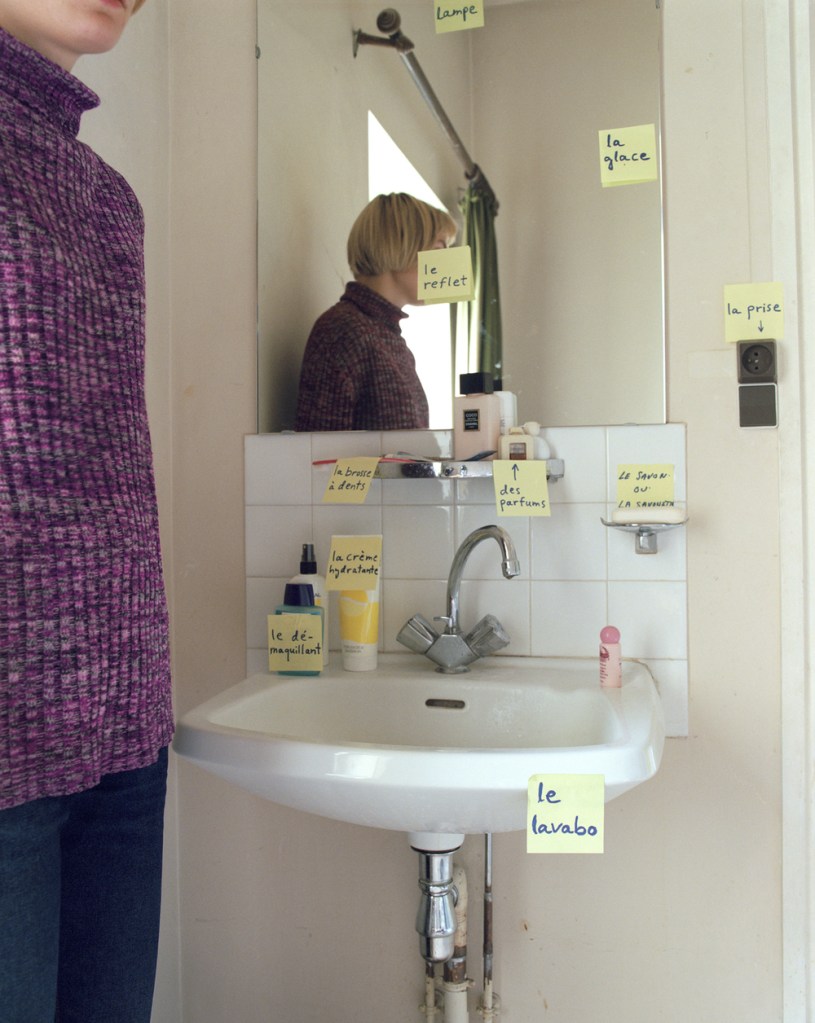
I thoroughly enjoyed watching the video of Elina Brotherus talking to OCA students’ about her work and in particular, how you can use yourself – the photographer – as the subject. It was evident to me that even simple tasks we do, could possibly lead to a photography project, and as ‘artists’, we need to be more aware of this. I’m specifically referring to the period in Brotherus’s life when she moved to France and stuck post-it notes on to everyday objects, in order to learn them. For most, this would have been a requirement, simply to learn a new language. But, Brotherus saw this as an opportunity to turn this into a personal and meaningful project that explored her experiences living in a foreign country, whilst trying to adapt to cultural and environmental differences. What I find inspiring, is that she continued with the theme of using post-it notes, in her series ’12 years later’. However, the descriptions this time, often consist of lengthy dialogues, which describe her thoughts and feelings about looking back on her life from when she first visited her residency in 1999, and how her life, if at all, has changed. What I find particularly interesting about this, is that despite the timeframe between the two projects, they just work, both visually and contextually. That got me thinking about my future assignments, and how under the current circumstances, the theme should be relatable from one to the next, in order to from a larger piece of work. This will hopefully show an evolution of my experiences, where, like Brotherus, I could draw up a conclusion or even write a ‘position statement’ of how I’ve changed – again, if at all.  

I think if photographers are to use themselves as the subject’s in their own work, they need to think carefully about what was, or is, meaningful in their lives, in order to draw inspiration for possible themes, where the end result will be a series of images that are genuine and has significance to them. That, I think, is the most important factor to be considered and hopefully achieved when creating a piece about yourself, and what others interpret from viewing your images, is perhaps irrelevant. One thing that is evident in a lot of her work, is the inclusion of the cable release. Asked, why she decides to keep this visible for all to see, she replied “it’s important to show me as both the model and the author”. I find this to be such a fantastic response, and reconfirms to me the personal aspect of her entire process. Where some photographer’s may find this unsightly, perhaps unprofessional, for Brotherus, it’s what makes her images unique to her.

References

The Open College of the Art. (2015). ‘Here is Elina Brotherus’ [Online] Available from: https://www.oca-student.com/content/photographers-talking?page=1

Elina Brotherus. (2018). ‘12 ANS APRÈS (1999 / 2011-2013)’ [Online] Available from: http://www.elinabrotherus.com/photography#/12-ans-apres/

Exercise 1: Mirrors and Windows

First and foremost, I found this exercise to be much more difficult and thought provoking than I initially anticipated. It was a lot easier for me to find examples of ‘windows’ than ‘mirrors’, and after some consideration into why this might be, I think it simply comes down to the subjects’ that I historically have an interest in photographing. I believe its human nature to be immediately fascinated with anything we witness that isn’t considered the ‘usual’ in our daily lives, and when we have a camera at our disposal, a picture of this event is usually taken. For me personally, ‘windows’ photographs are taken with the conscious decision that I want to record this ‘unusual’ moment. I don’t think it’s any surprise that the majority of the images’ I have chosen for ‘windows’ were taken in China, as culturally, socially and historically, it is – on the most part – very different to where I live in the U.K. Of course, it’s hard to say, but I wouldn’t be surprised if most photographs in individuals’ archives contain more images that can be placed within the category of ‘windows’. I found choosing ‘mirrors’ images that allow us to learn something about ourselves, to be a challenging task. It wasn’t until I really looked at the images, did I then decide, if in fact it did say something about me and why. I believe these types of images are taken in the moment, and with little consideration about why we are taking them. Perhaps, subconsciously, we do take them because we feel at the time, that person or scene does tell us something about ourselves, but, it isn’t until we review them in a more concentrated manner, do we actually realise this.  

Mirrors

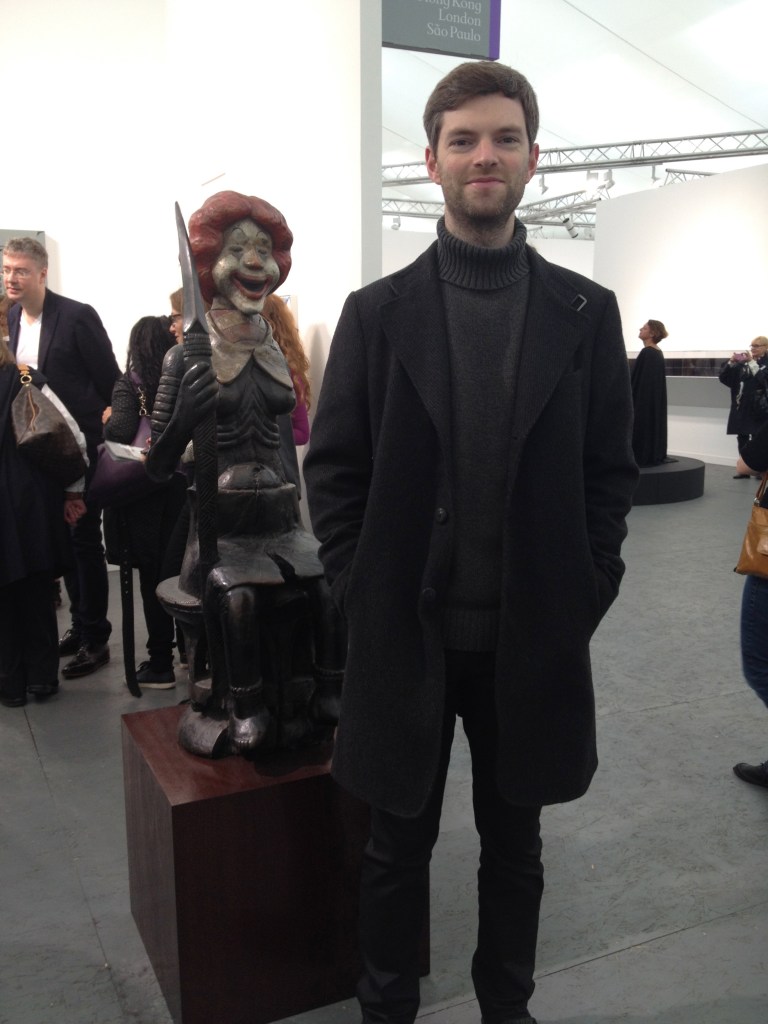
This image was taken by my girlfriend, at a prestigious art exhibition in London. This was a period of my life when I was trying very hard to be someone I wasn’t, and this image reconfirms that for me. Reflecting on the photograph, I found the majority of the art work to be terrible and I would never wear what I was wearing then, now. But, I felt at the time, to be accepted into a ‘group’ that I would realistically never be a part of, those were the types of events I should be attending, whilst dressed in that manner.

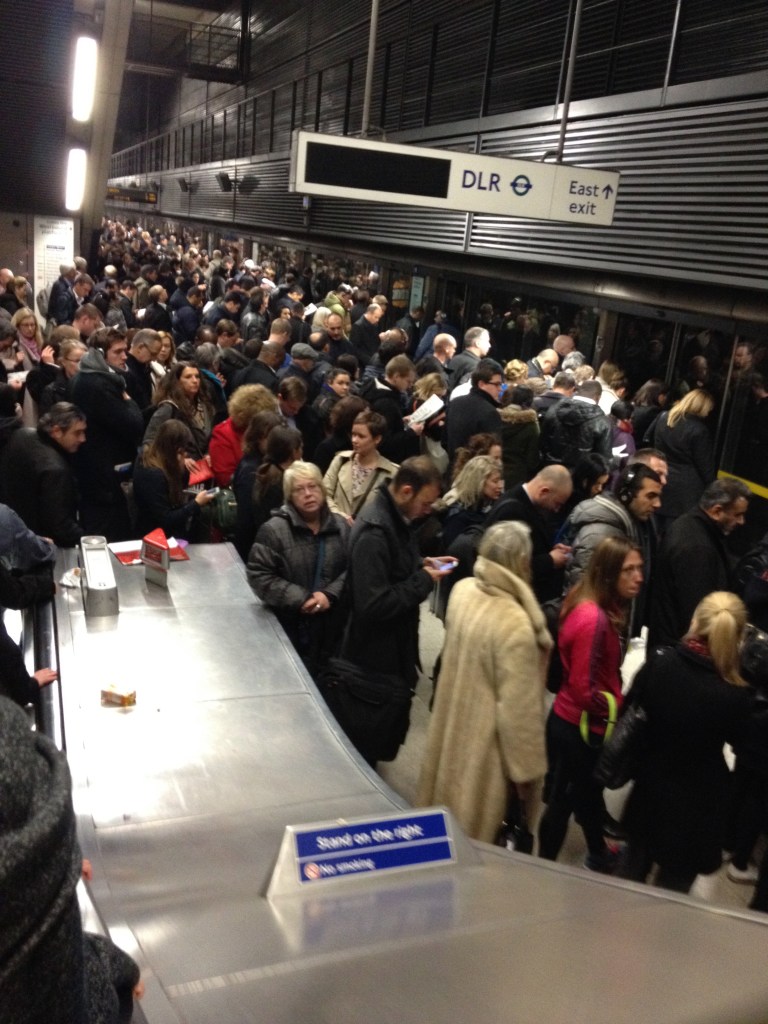
I took this photograph when I first moved down to London. It depicts something which I cannot stand – crowded spaces – and during my two years living there, it was something I never got used to. This image shows me that I am far more suited to a quieter, simpler life, and even though I love London as a city, I would never move back there.

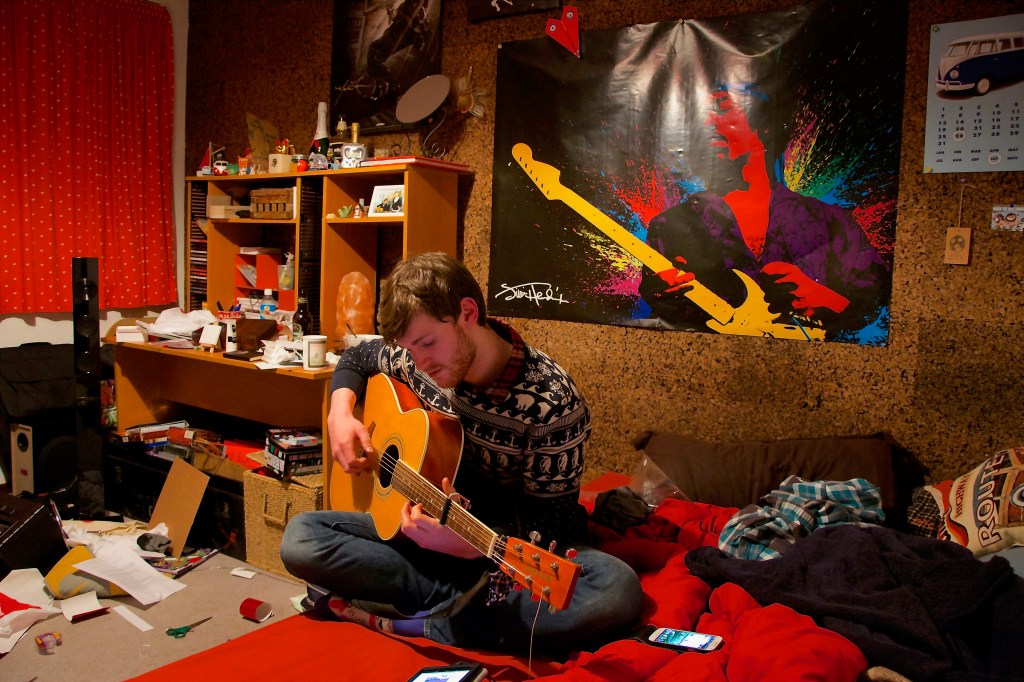
I took this photograph of my brother playing his guitar a few years ago, through his bedroom door and without his knowledge. What I’ve learnt about myself from this image is how different we are from each other. Musically, he is very gifted, and though I wish I was too, I never will be. Also, he is more of a free spirit in the way he lives his life, and I am certainly more highly strung and calculated in the way I do things.

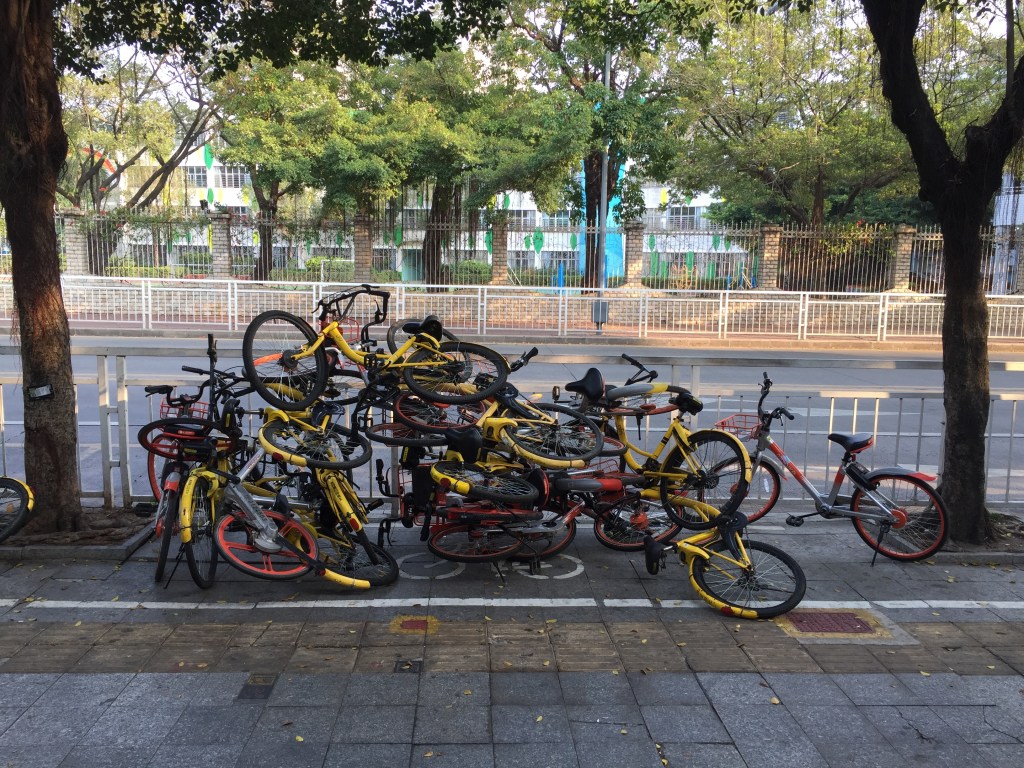
I took this photograph when I was living in Shenzhen, China. The image depicts a mountain of ‘mobai’ – effectively ‘Boris Bikes’. Unlike in the U.K where there are dedicated parking stations where you can return the bikes after use, in Shenzhen at least, there isn’t, and this is the result. This image reconfirms to me that I like a degree of order in my life and don’t appreciate unnecessary mess. I understand this isn’t a portrait, but I feel in this instance, it doesn’t need to be.

Windows

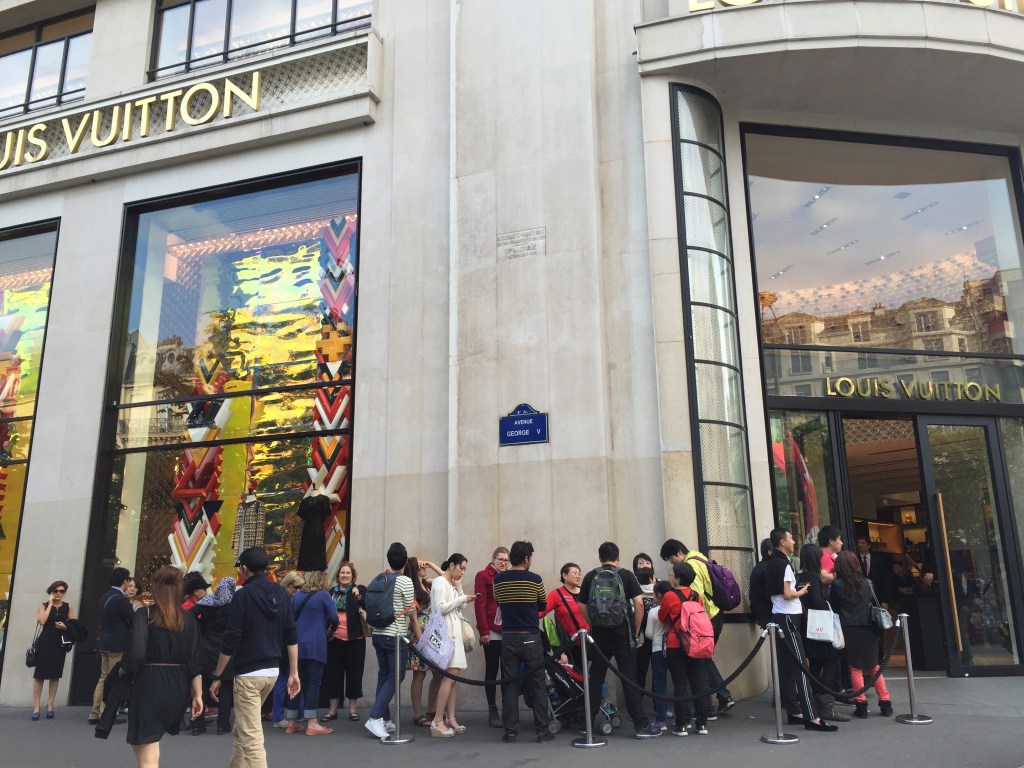
I took this photograph when in Paris, France. It depicts a long queue of people waiting to get into Louis Vuitton. I find this image interesting, as it shows me to what extent people are willing to go to, in order to gain access to a shop, where realistically they couldn’t afford to buy anything and fundamentally it’s more about being seen by others. Perhaps, this image does show us how the ‘other half’ live, but I think it’s tells us more about those who dream to be the ‘other half’.

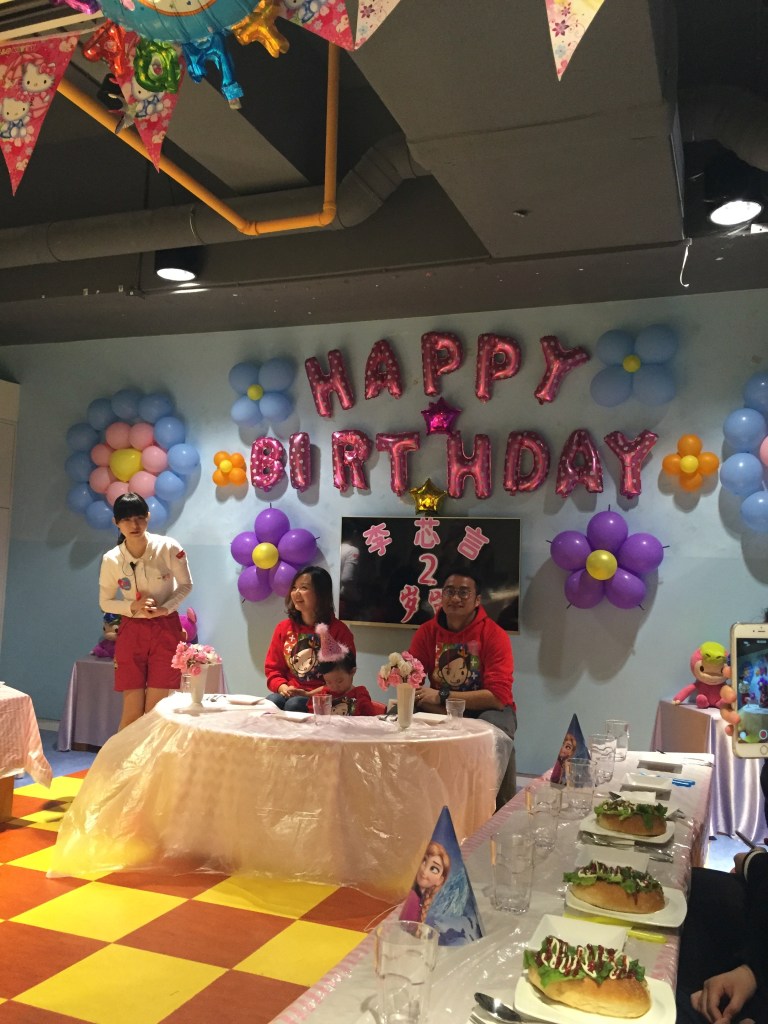
I took this image at a kids Birthday party in China, which my daughter was invited to. Celebrations there are often more elaborate than in the U.K and children’s birthday parties are no exception. These types of birthday parties are very expensive and ultimately are a sign of the family’s wealth. I think this photograph shows how these events are often more about the parents than the child – the way they are dressed the same and sitting at the head of the table for all to see.

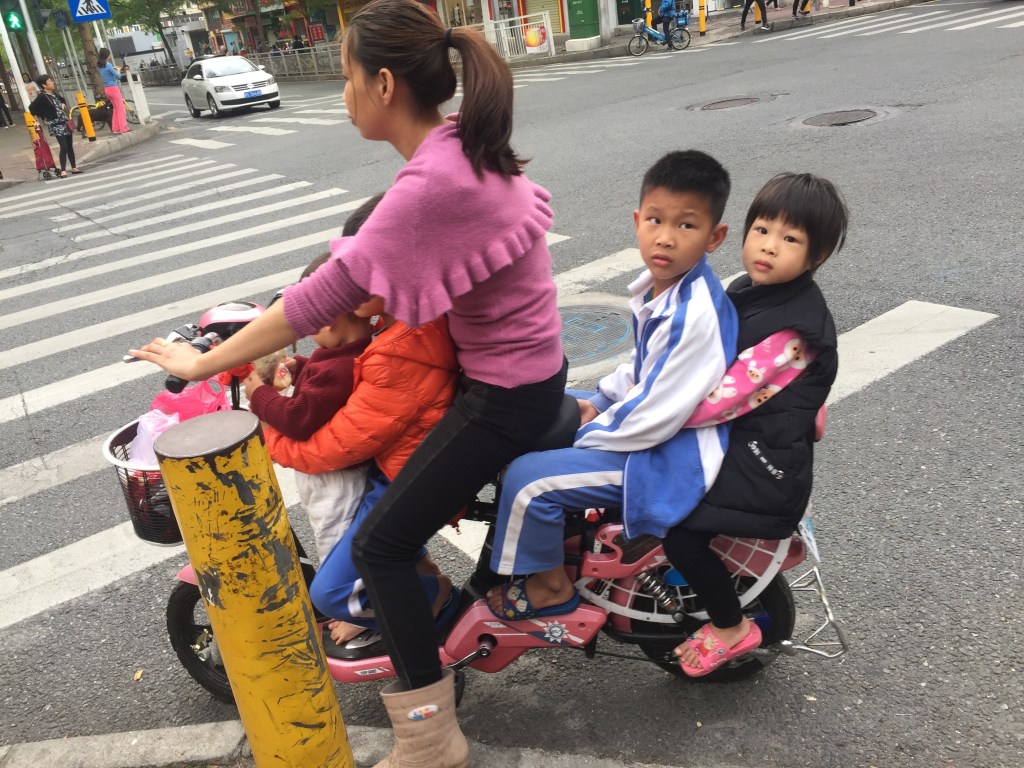
I really like this photograph, but at the same time, it sends chills down my spine every time I look at it. I took the image in China and it shows not one, but five people on a scooter – four being children. I think this shows that even though China is the second richest country in the world and leading in so many areas, they are years behind in health and safety practices.

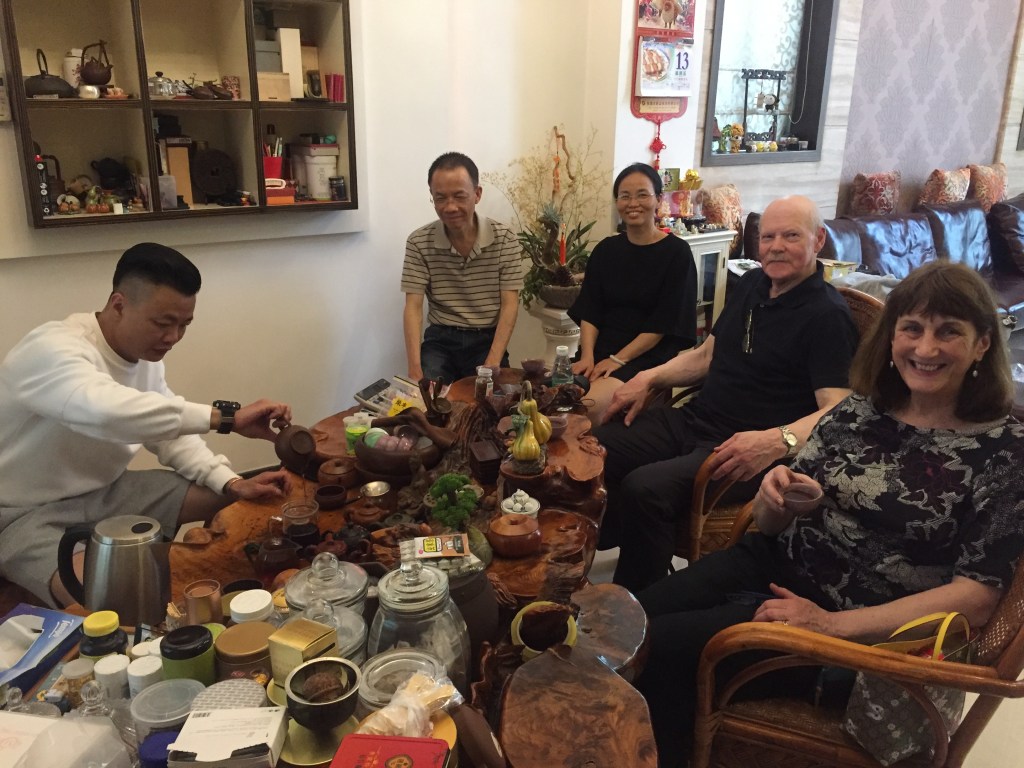
This is a picture of my wife’s cousin – who is an extremely wealthy businessman in China – serving tea at his ‘tea table’. When guests are invited to his home – like myself and my parents were – it’s polite for the host to sit everyone around the table and serve various teas – very different to what we drink in the U.K. But, it’s also an act to show of the wealth of that individual. Some teas in China are stupidly expensive and are collected as an investment, rather than to be drunk.

Design a site like this with WordPress.com
Get started