
Assignment One: The non-familiar – Reflections
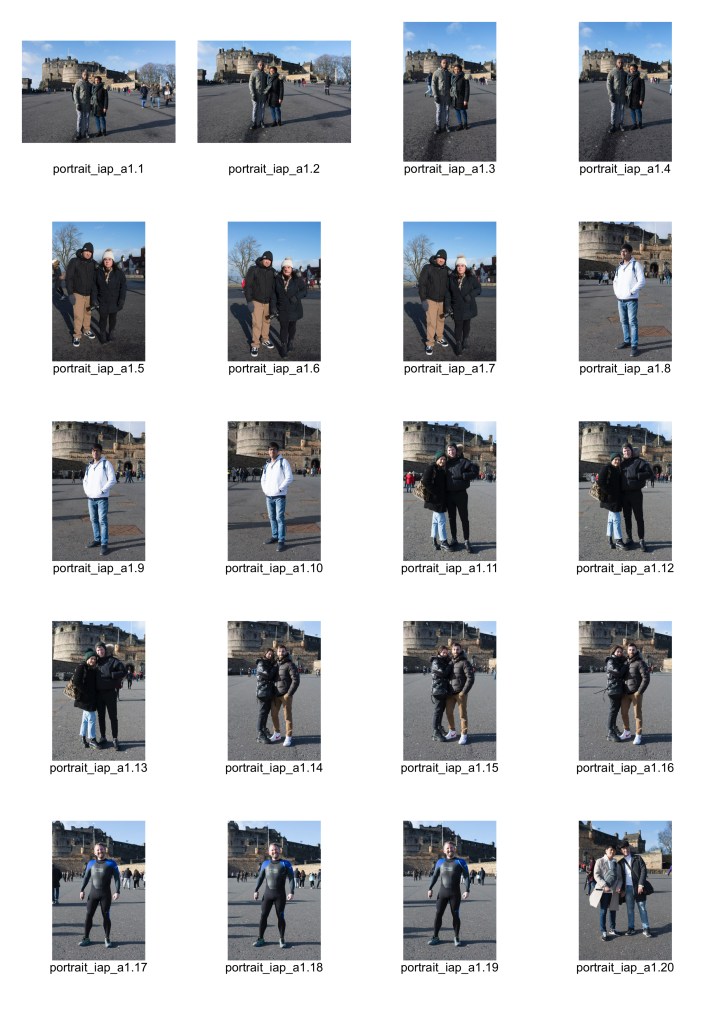
My biggest fear surrounding this assignment was the fact I had to ask people to take their portrait. Before starting the process, I kept thinking to myself, “How many times has someone approached me and asked that, and if they did, what would I say?” The answer was “never” and most likely “No”. Don’t get me wrong, I thoroughly enjoy taking pictures of strangers’, but these are always done candidly. To ask someone seems strange, an annoyance for them, or perhaps even worse, an invasion of their privacy. Ultimately, these people didn’t know who I really was or what I would do with their photograph, but yet they trusted me enough to allow me snap away.
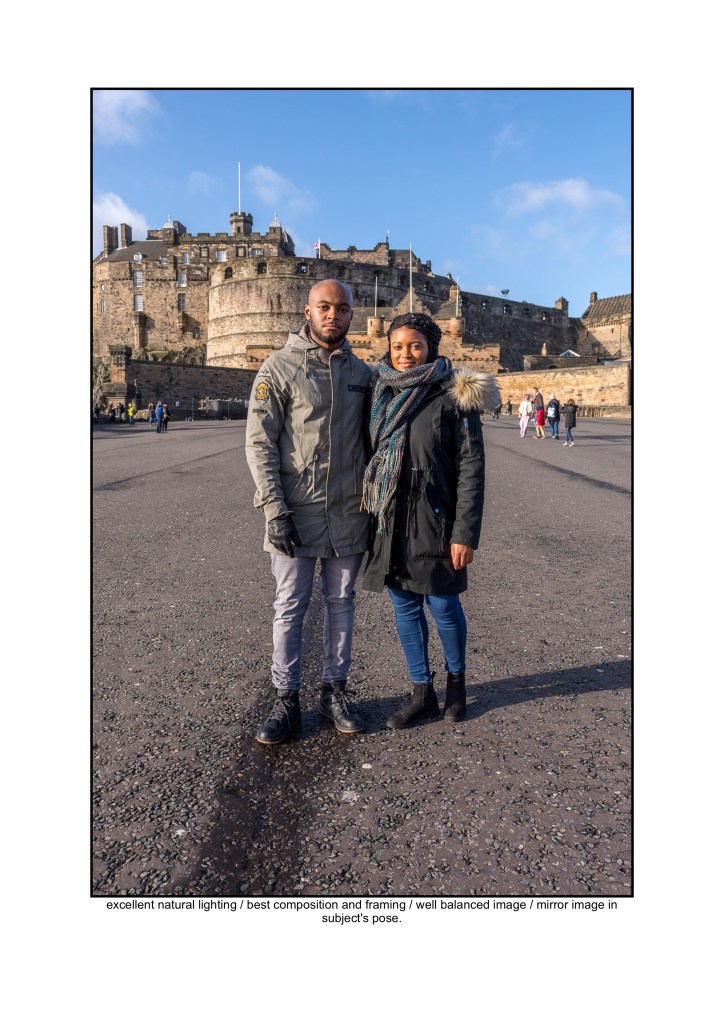
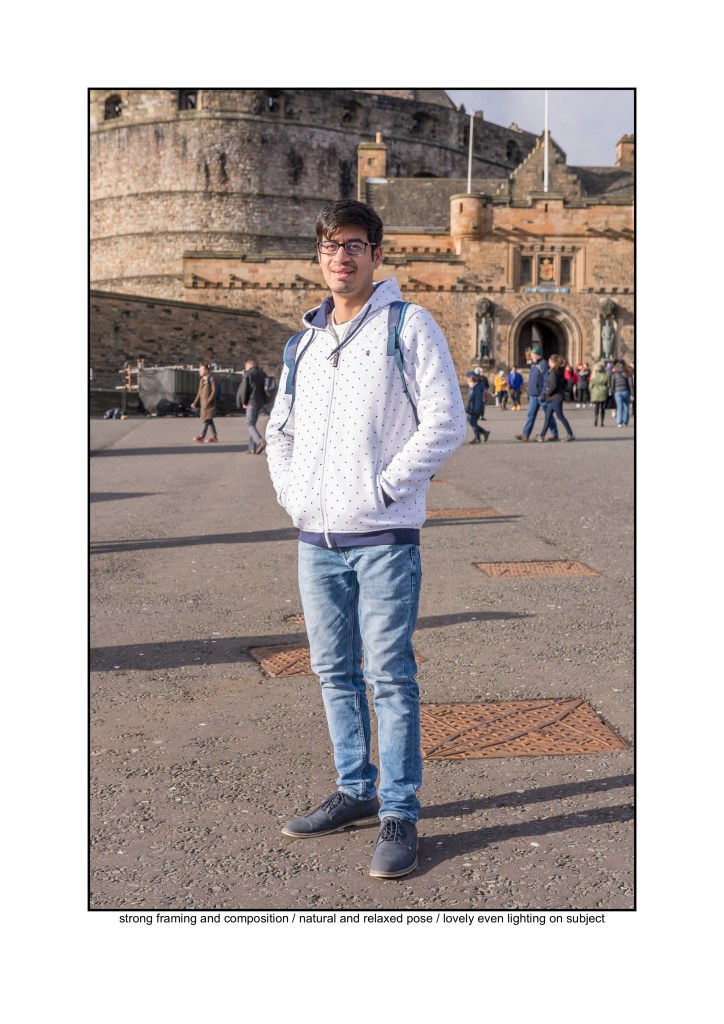
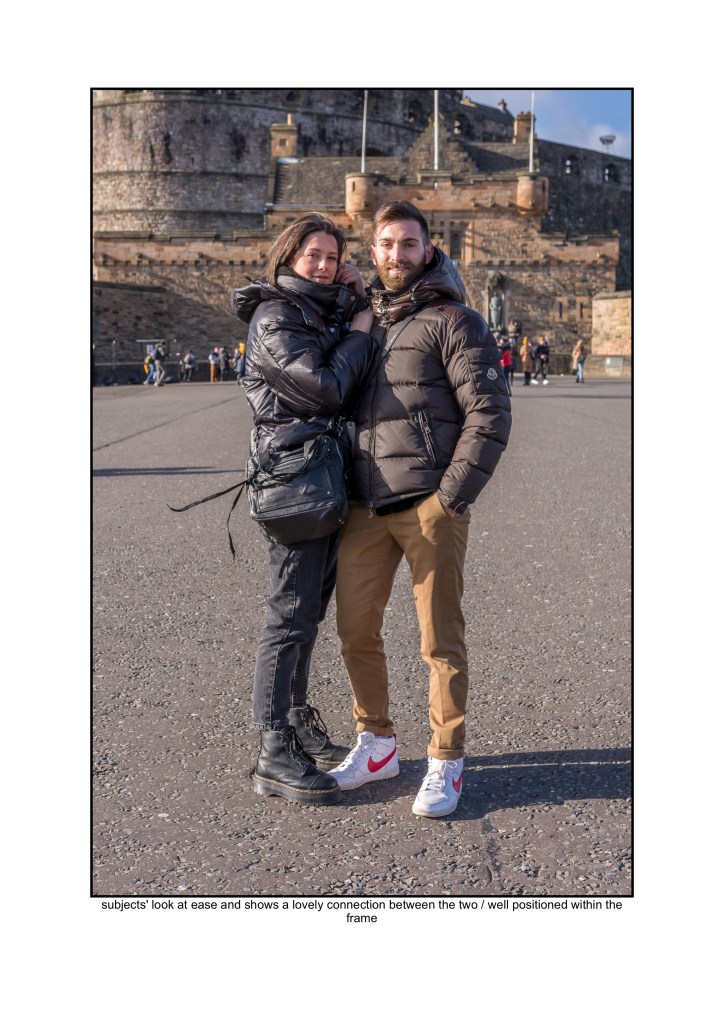
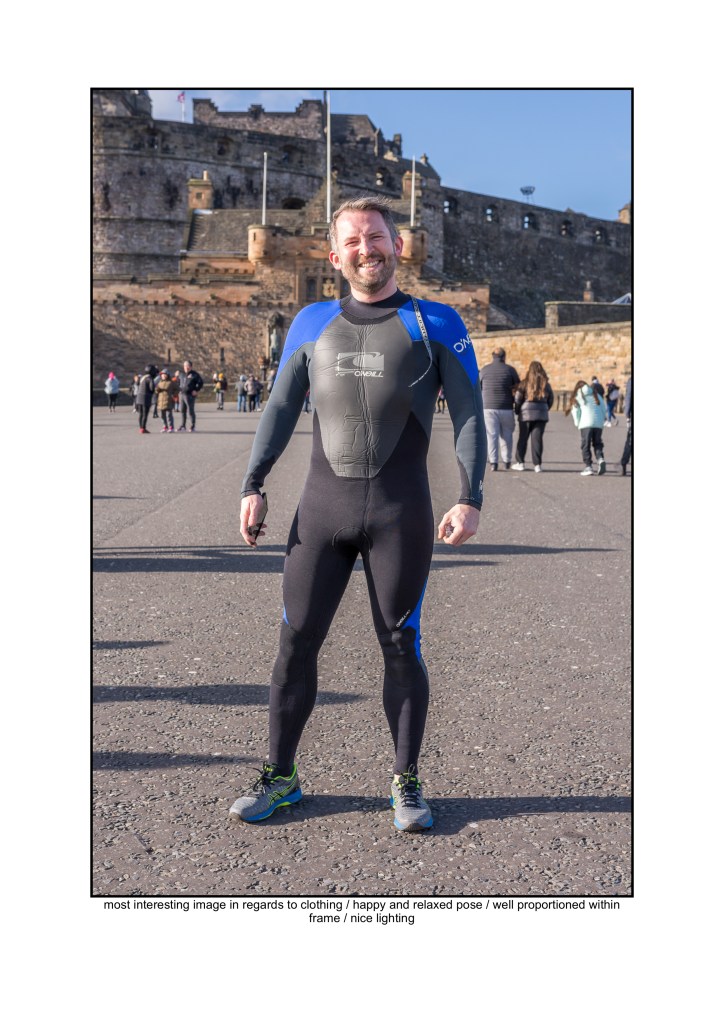
The brief for this assignment states, “leaving technical photographic considerations aside…” To be honest, I wasn’t sure if this meant I was being advised to only focus on the involvement with my subjects’, and to disregard any photographic technical abilities I have. If my understanding was correct, I understood to a certain degree the point that was trying to be made. However, surely the basic technical aspects of photography, for example, exposure, shutter speed etc. cannot merely be ignored and the quality of my images’ potentially becoming jeopardised for the sake of trying to build relationships. I found though that with the experience and technical skills I already possessed, I was working on ‘default’ mode, so to speak, and very rarely had to consider the technical aspects during the photographic process. Prior to the shoot, I set my camera’s ISO to 400, selected ‘aperture priority’ mode and dialled in an aperture of f5.6, as I knew I wouldn’t require a shallow depth of field. Also, as it was predetermined that I would be taking full body portraits, I understood this would help keep all of my subjects’ in focus. I didn’t have to worry about the camera’s shutter speed, due to the shooting modes selected, and because there was enough light available, there was minimal chance of producing out of focus images’. One thing I noticed I was doing frequently at the beginning, was selecting various focal lengths from my 18-35mm lens. A good example of this would be the portrait of ‘Andy and Patricia’. It’s obvious that the field of view in this image is wider than the rest in the series, however, I don’t feel it weakens it at all and deserves to be in the final selection, albeit, with minor differences to the framing. I also noticed when using this method that the process took longer than initially planned, and it was noticeable at times that the subjects’ were becoming agitated. To combat this, and to have the rest of my portraits’ consistent with each other, I selected a fixed focal length of 35mm and simply used my legs to find my desired focal length. I chose what could be considered as a more ‘traditional’ composition, placing my subjects’ in the centre of the frame. I found this works best when creating full body portraits and is a technique the likes of Niall McDiarmid uses regularly.
I found that with every new stranger I spoke to, my confidence grew, and as a result the quality of my portraits’ improved dramatically. I began to give my subjects’ some ‘direction’ and I found the whole process became more enjoyable for both myself and them. It’s no surprise that the portrait’s I feel are the strongest, happen to have been taken near the end of the process, which to me proves that the more you do something, the better you will become. Though, I’m happy with the portraits’ I’ve taken and feel I’ve achieved what I set out to do, what I’m most satisfied with is the confidence I’ve gained through this experience and have been inspired to start a personal portrait project in the near future.
I must admit there wasn’t much creativity involved when photographing my subjects’. The process was incredibly simple and at no point did I want to become experimental with my ideas. Reflecting back to Niall McDiarmid’s work, though very good, it also seems simple in terms of his execution when creating a portrait. I believe the type of image you are trying to produce will determine how experimental you may become, but if the context is correct, sometimes simplicity is all that’s needed to make a strong image.
Assignment One: The non-familiar – Tutor Report
Assignment One: The non-familiar – Tutor Feedback
As my tutors report can be found on my blog, I won’t repeat what has already been written, but will however, reflect on some of these points further and mention topics that have not been included that I believe to be important for my development.
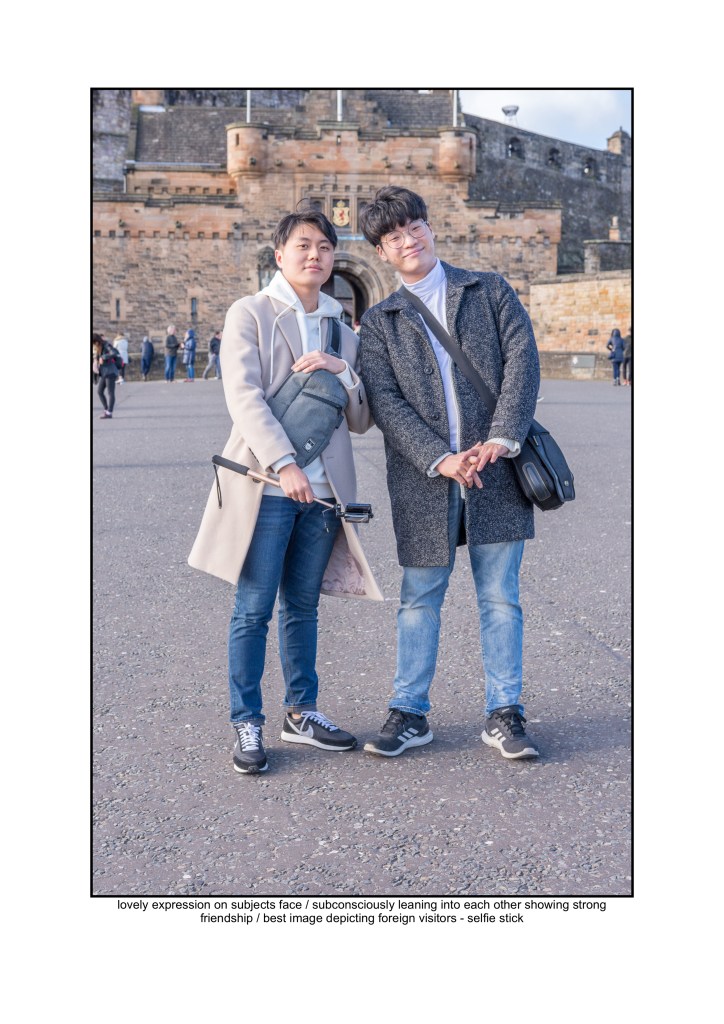
Overall, I’m very happy with the feedback I received and felt my tutor appreciated my efforts in regards to approaching and photographing strangers – a task I was genuinely nervous about. He did mention that the series seemed “a bit snapshot in places” and I appreciate and fully understand where he is coming from in regards to this comment. By including the castle in the portraits’, they could be mistaken for a photograph a tourist would take of a friend, or family member, for example. However, as the castle was an important factor within the images, to help with the overall theme of the series – ‘tourists’ – I’m not entirely sure how I could have made the portraits’, less like snapshots.
We discussed ‘terms’ used to describe certain groups of people – in this instance ‘foreigner’s’ and ‘tourists’ – and how, as photographers, we need to be careful with the terms we use if writing about them. I found this to be an incredibly interesting and helpful discussion, as not only did I appreciate that some people might not like to be called ‘foreigner’s’, as this could have negative connotations of them being ‘invaders’ of some sort, it also made me realise that I could extend my search to those, for example, who may be from different parts of the U.K.
My tutor felt the portrait that worked best within the series, was that depicting the two Korean gentleman. He liked that one was holding a selfie stick, which had strong connotations of a ‘tourist’ and their style of clothing helped reinforce the idea that they were indeed from Korea, meaning the GPS coordinates that I used, may be irrelevant in this instance.
Though, it was agreed that using GPS coordinates was irrelevant and didn’t bring anything extra to the portraits’, we did discuss how these could be used effectively in a photography. It turns out my tutor created a project exploring the theme of disused mine shafts in the U.K. In this instance, he used GPS coordinates to locate these mineshafts, where he then created grid references for a more accurate location.
A topic I wanted to discuss during my feedback session, surrounded an image by Niall McDiarmid, which I discovered when doing research for this assignment. It depicts a women, wearing all orange, working at a stall selling oranges. I wanted to find out if there was a specific term for this photography style, but my tutor wasn’t sure. However, he mentioned that when you photograph someone in their working environment, it’s called an ‘environmental portrait’. This was a term I had never heard of before, but is something I will do further research in to.
We also had an interesting discussion about the value an image has to the photographer. For example, are they creating images because that subject will benefit them financially, or, are they doing it to generate social awareness about that subject?
Exercise 3: Portraiture typology
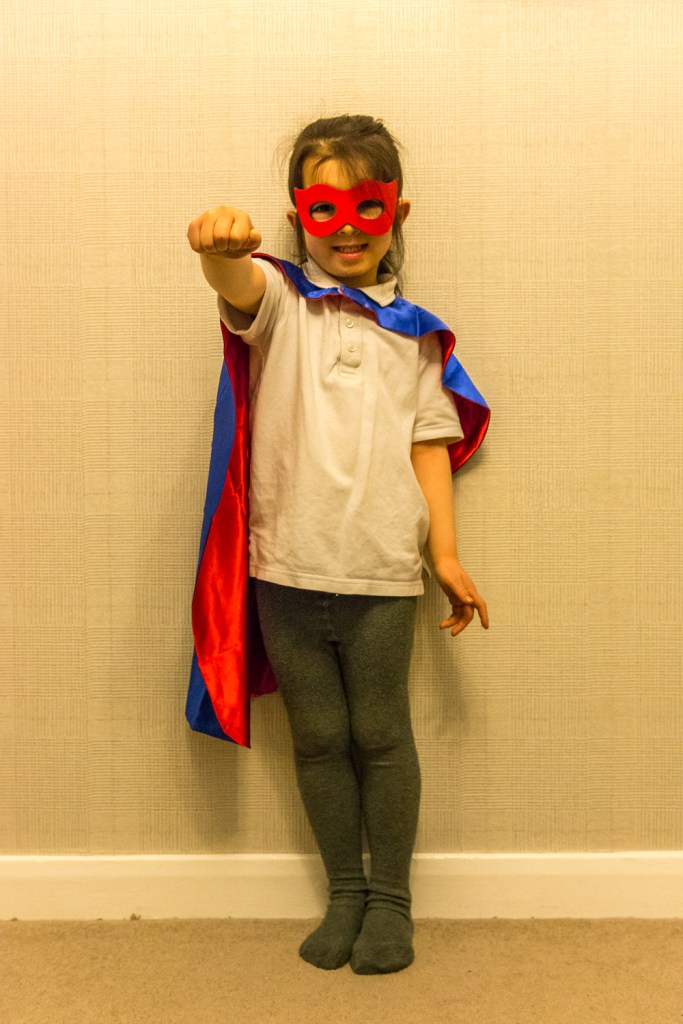
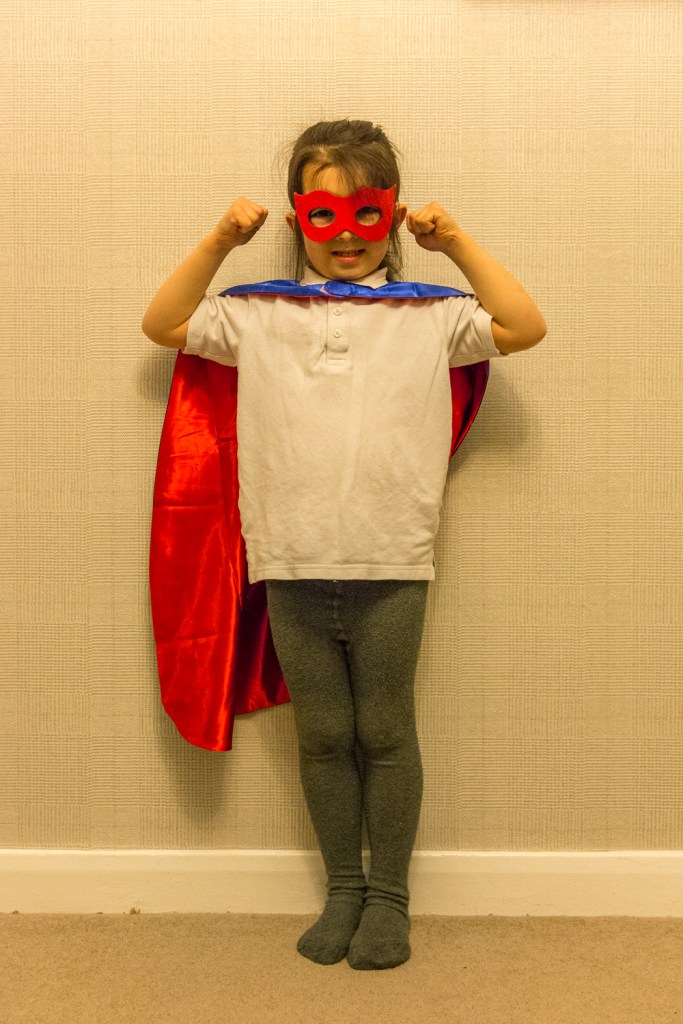
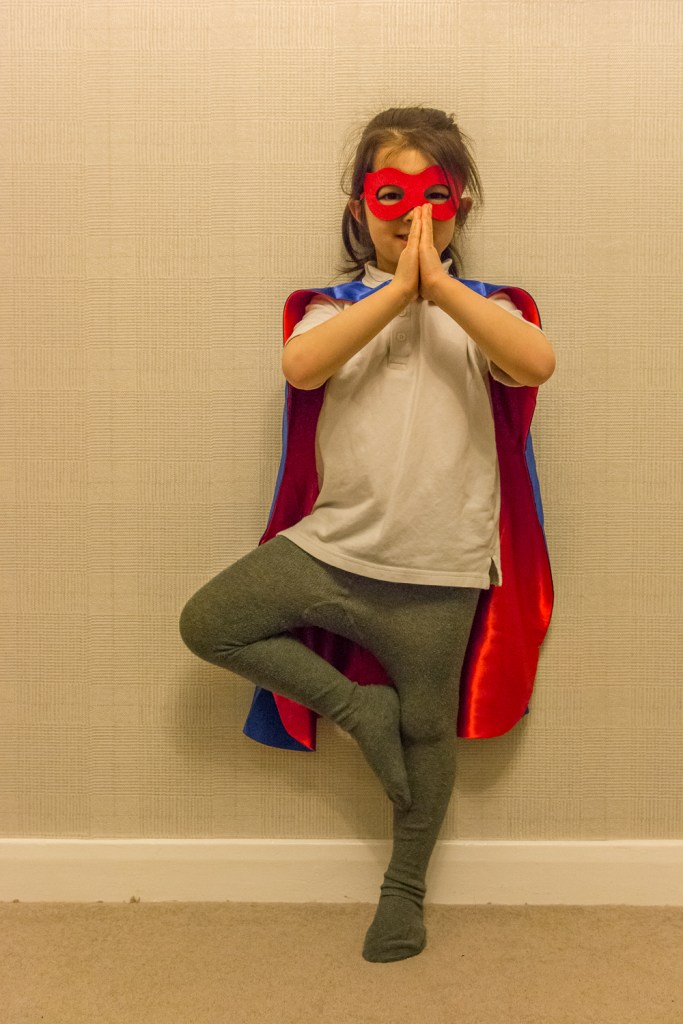
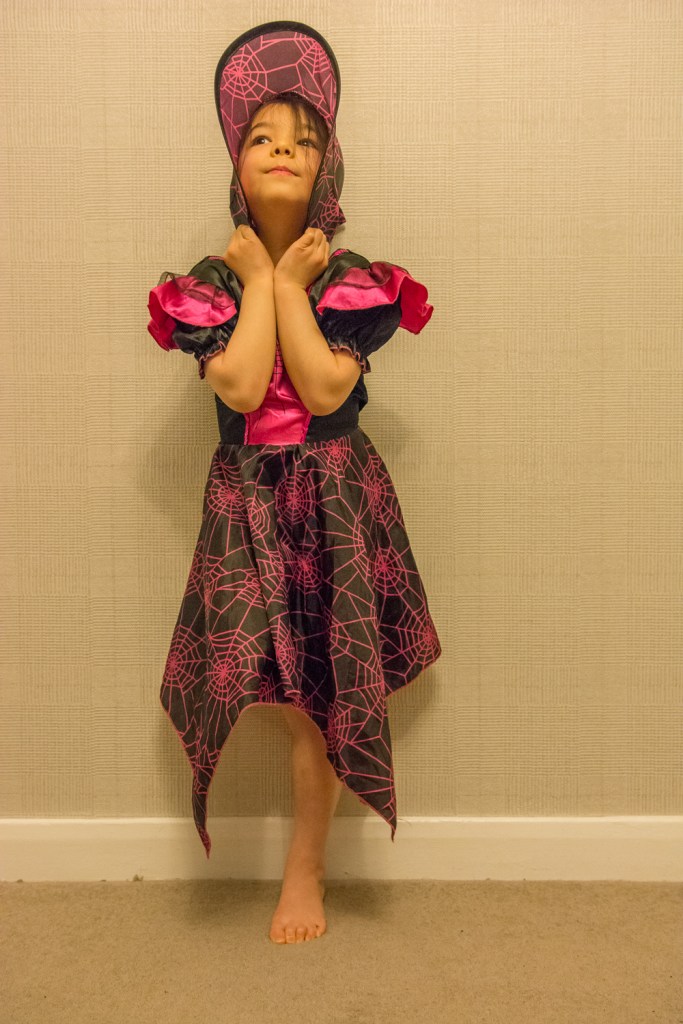
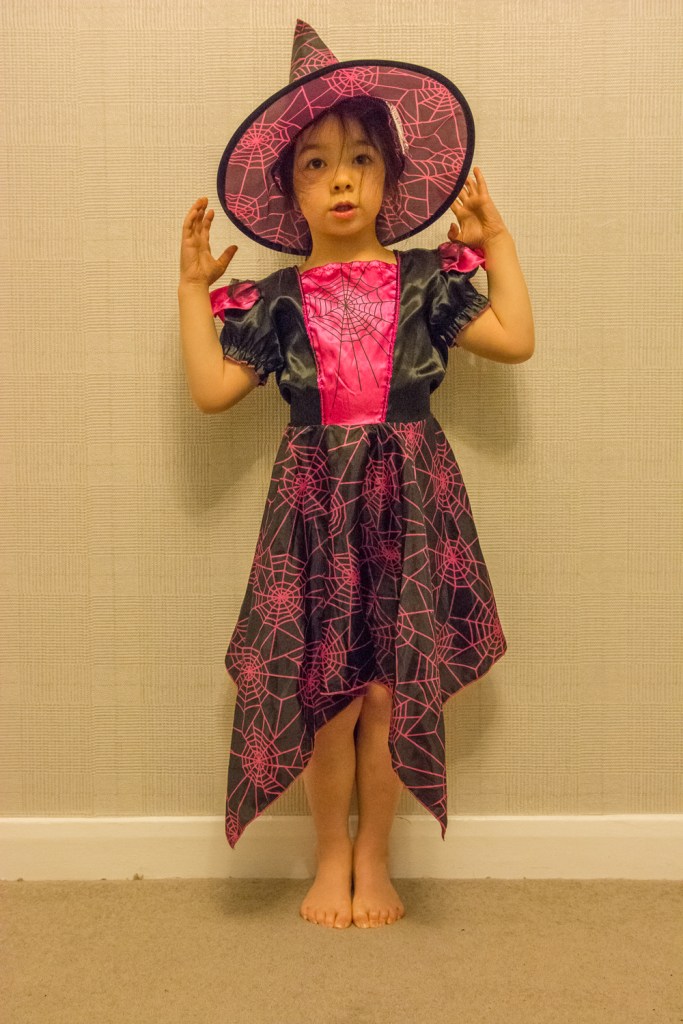
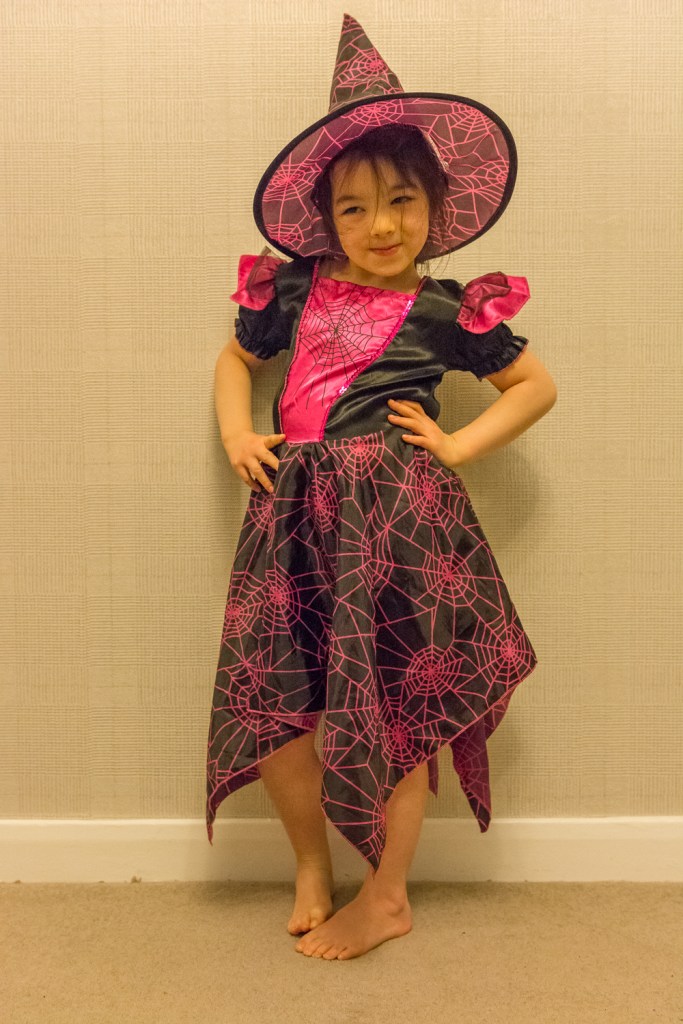
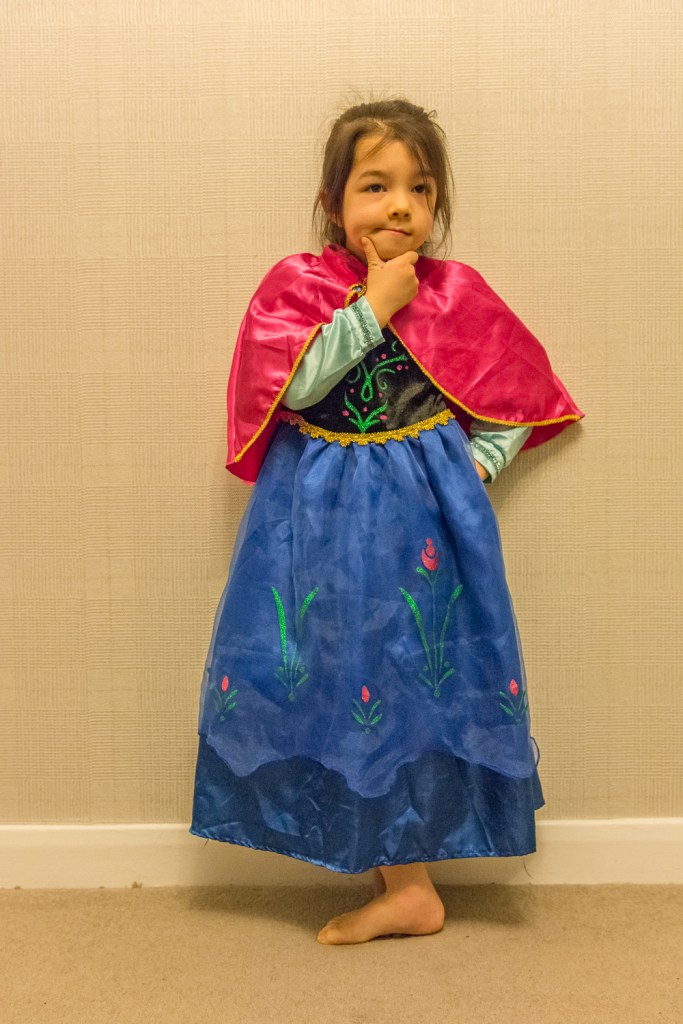
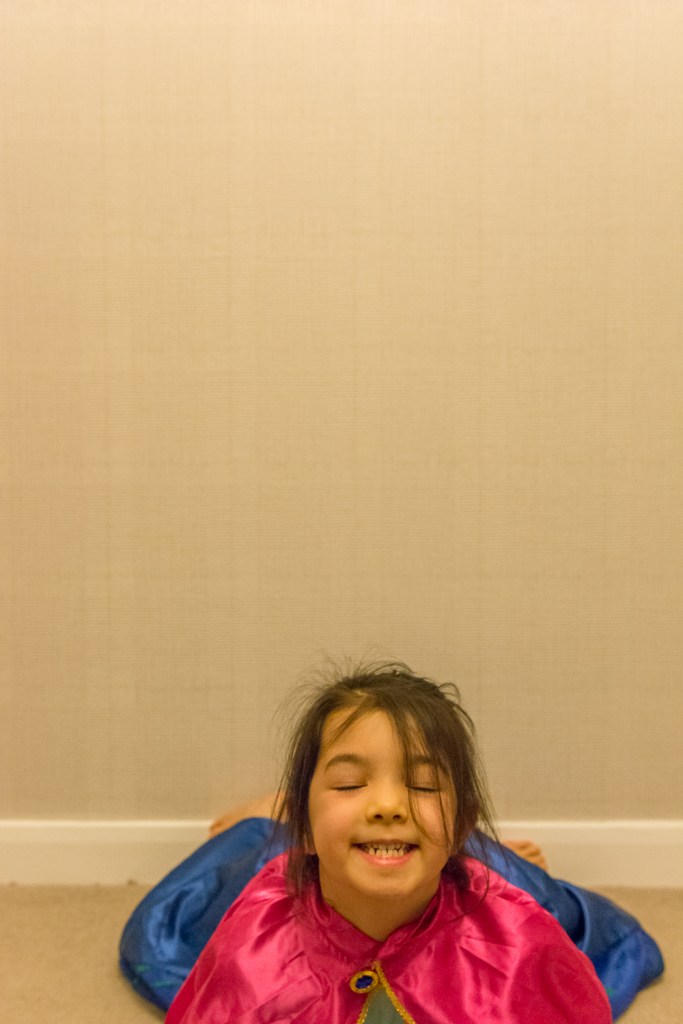
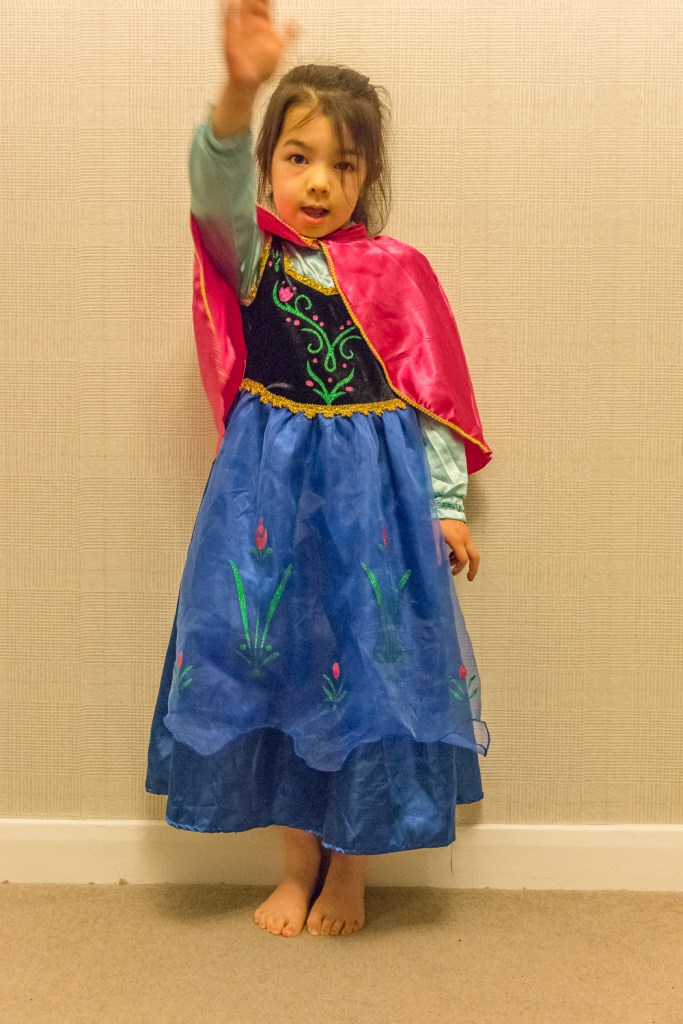
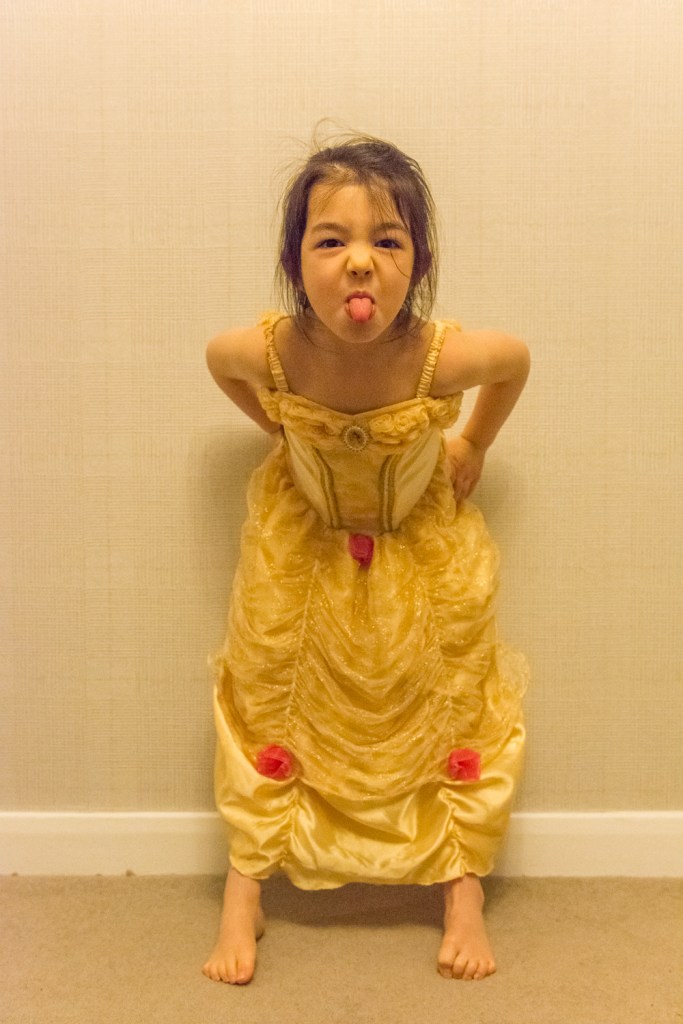
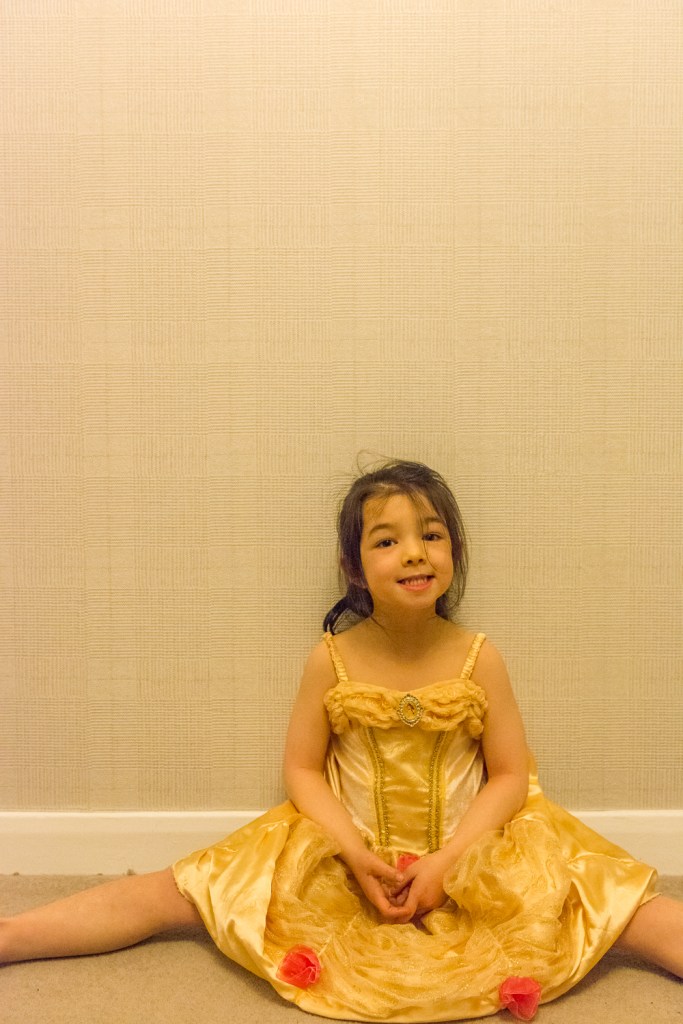
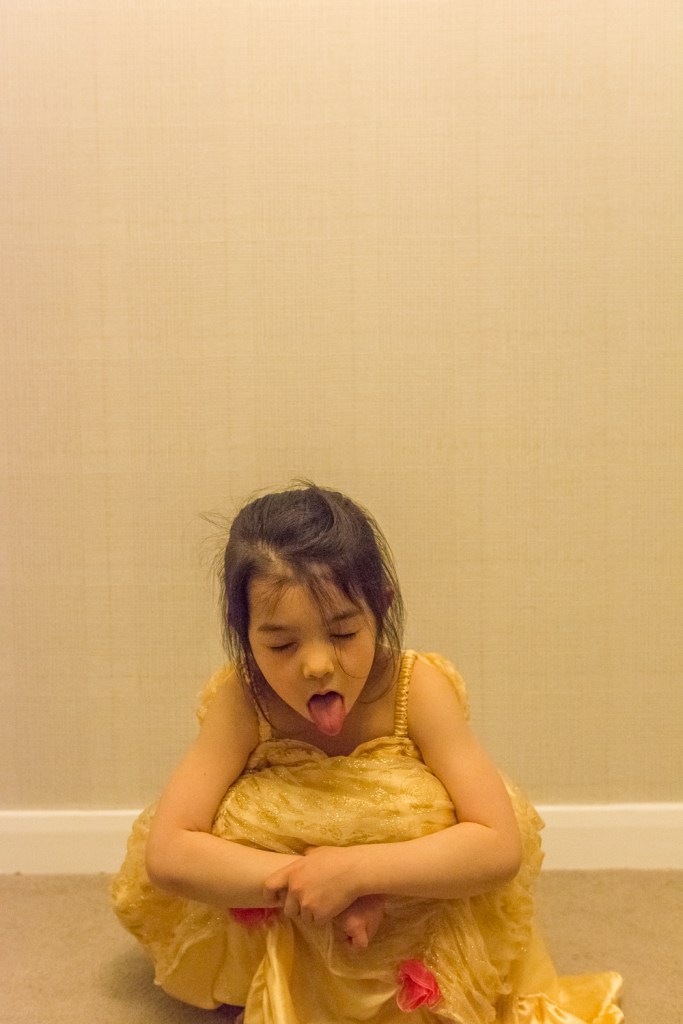
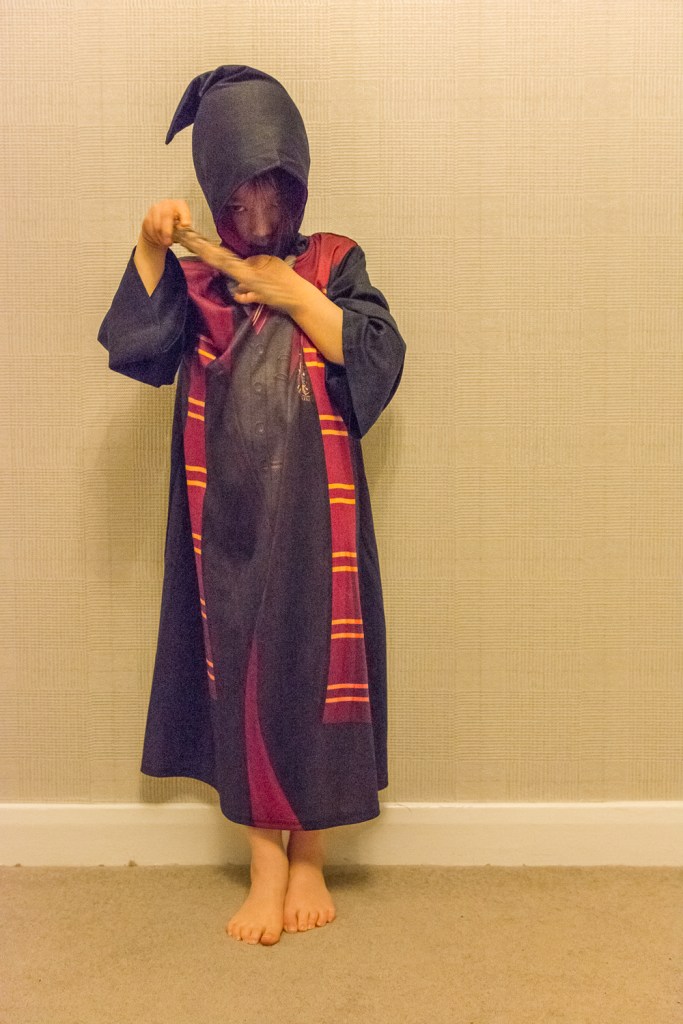
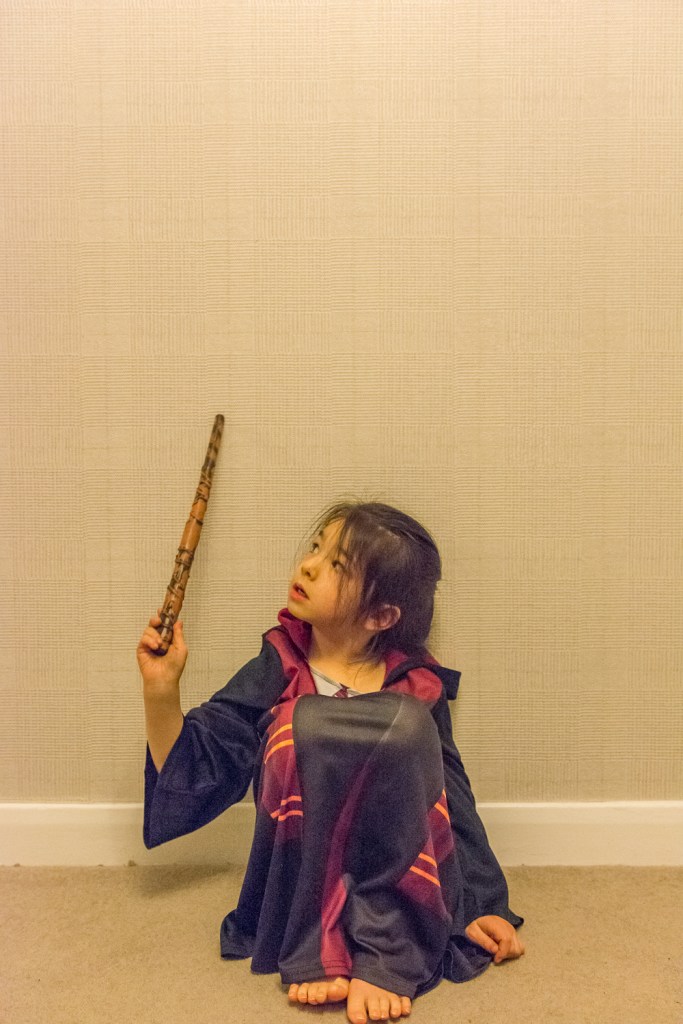
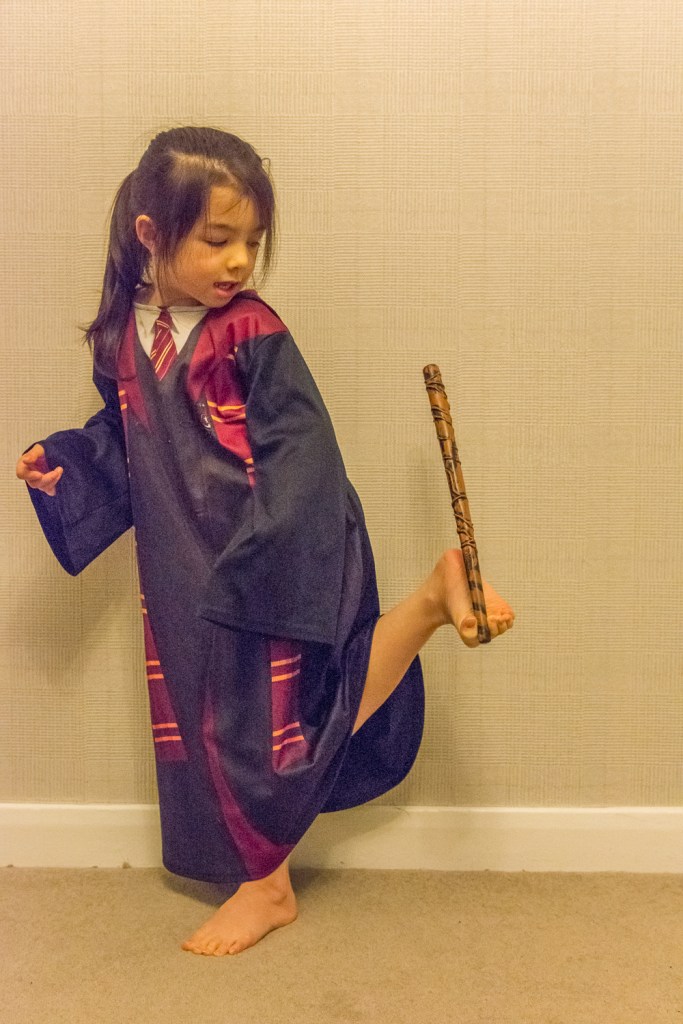
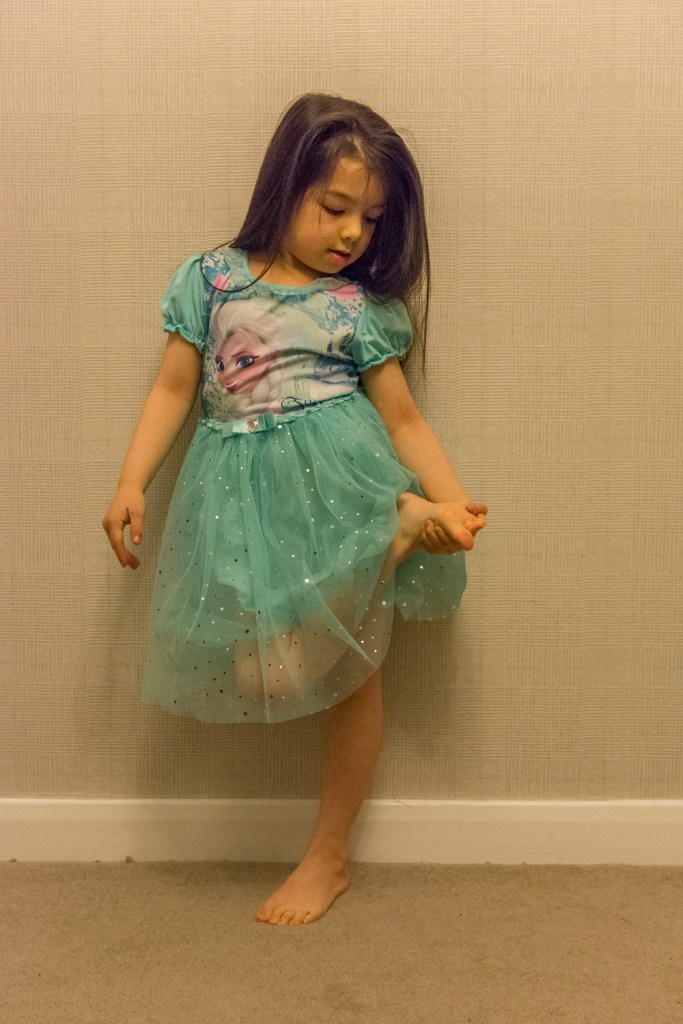
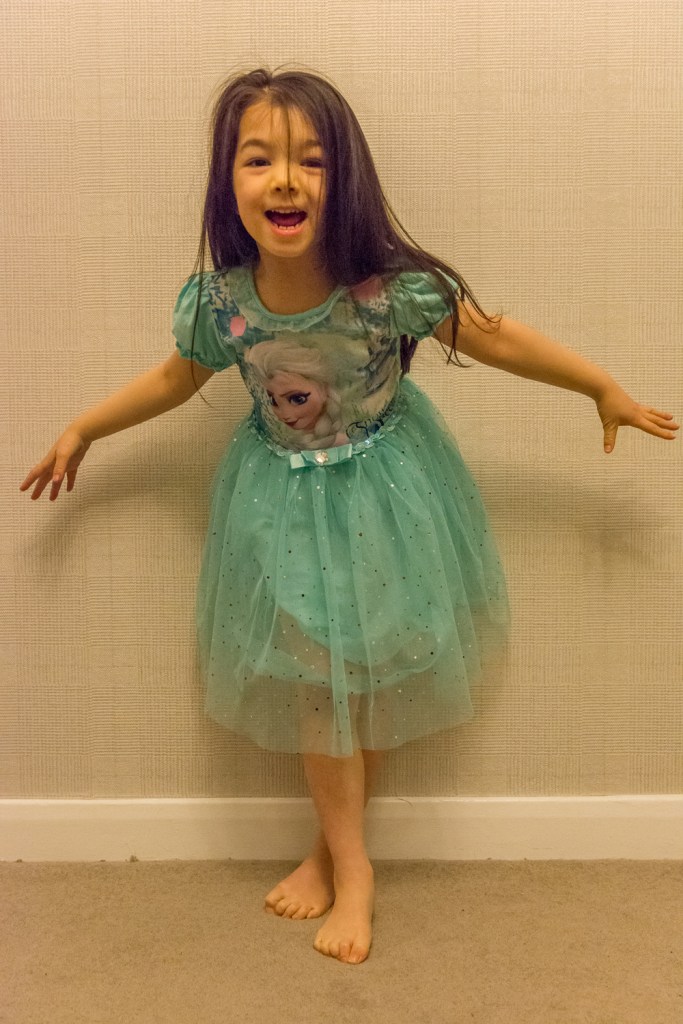
For this exercise, I wanted to explore the theme of ‘imagination and self-interpretation’, specifically in children. Being a father myself, I find it a joy to see my little ones playing ‘make believe’, where new worlds, character’s and languages are invented every day. Though, as adults, we still have that ability to be ‘child like’, we choose when to do so carefully as it’s not considered the correct way to act and there is certainly a social stigma attached to immature behaviour in grown-ups. As well as this, a child’s ability to give fictional examples to the simplest of things comes naturally to them, where, as adults, we tend to give more literal descriptions when explaining the exact same thing.
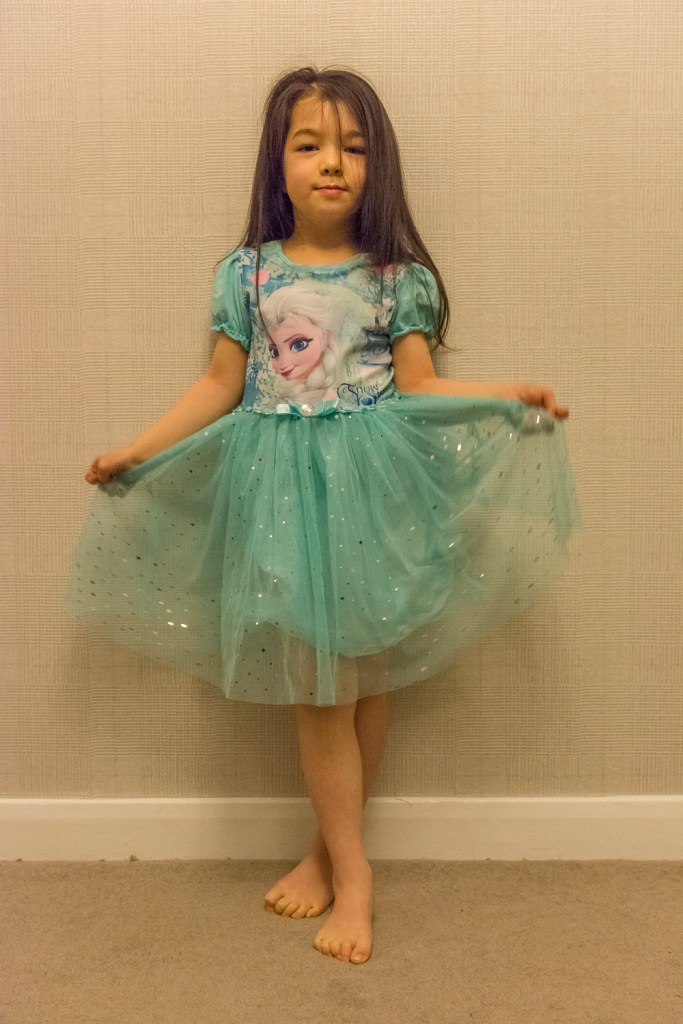
Using my daughter, Mia, as the subject for my typology portraits, I took various shots of her wearing six different costumes that her favourite characters’ from a variety of films wear. For each costume, I asked her to portray how she thinks that particular character should. The results were interesting to say the least and where some of the actions did portray the character in question, for example, the swirling of the magic wand for Hermione Granger, others certainly did not. It is obviously hard to say if these false actions were ones she did in fact associate with the person she was acting out, or, if she was playing up in front of the camera, so to speak.
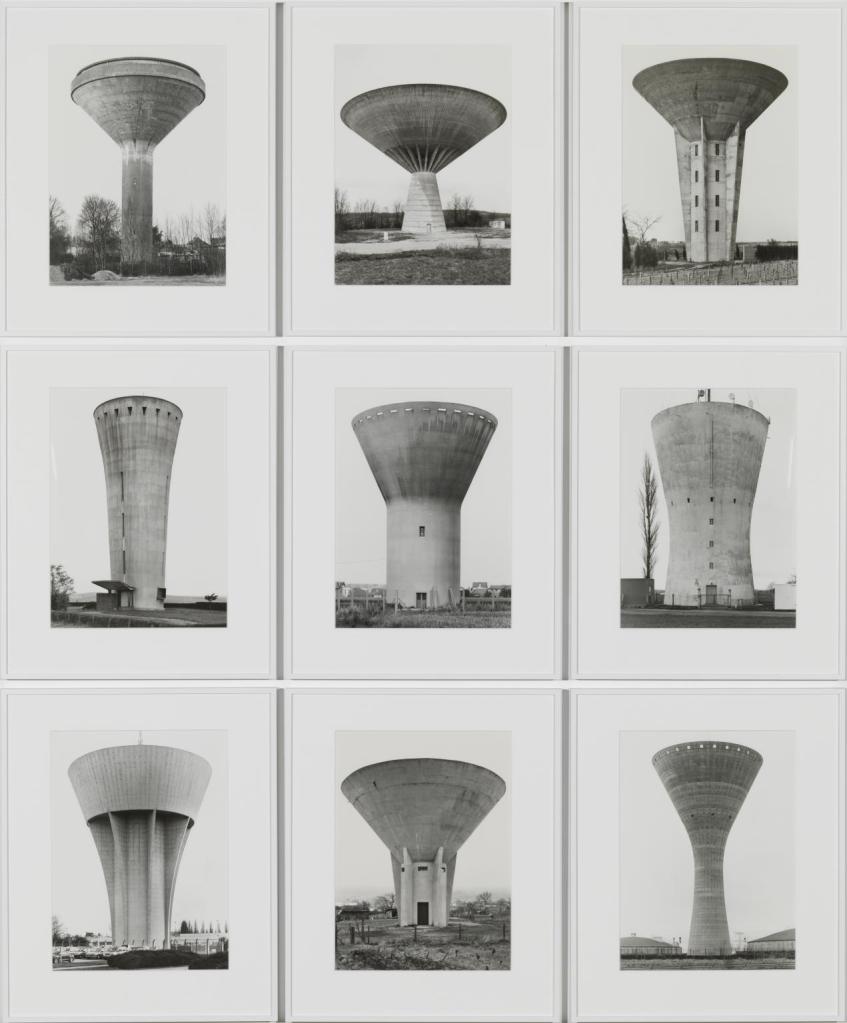
Water Towers 1972?2009 Bernd Becher and Hilla Becher 1931-2007, 1934-2015 Purchased with funds provided by Tate International Council, the Photography Acquisitions Committee, Tate Members and Tate Patrons 2015 http://www.tate.org.uk/art/work/P81238
They say never to work with animals and / or children, so, to make the process easier for myself the photographic set up was incredibly simple. As I wanted the viewer to be immediately drawn to Mia’s actions, emotions and the costumes she was wearing, I didn’t want the background to be over-elaborate. Through researching typology, I noticed that regardless of the subject being photographed, the framing and placement of these subjects are mostly always the same throughout the set. To ensure my images followed trend, there were a couple of things I did. Firstly, I made a mark for Mia to stand on and told her to stay on it as best she could. Secondly, I placed my camera on a tripod and effectively set the frame around her. Did it work? To a certain extent. I think the creative mind of a five year old won the day and this is evident in my final selection. However, I actually think it works incredibly well and reinforces what the images were meant to represent.
References
Tate. (2014). ‘Bernd Becher and Hilla Becher: Water Towers (1972-2009)’ [Online] Available from: https://www.tate.org.uk/art/artworks/bernd-becher-and-hilla-becher-water-towers-p81238
Exercise 4: Archival intervention
If you think about how many photographs an individual takes during their lifetime, the number would be staggeringly high. Of course, not everyone owns a camera, but, with just less than half the world’s population owning a smart phone, not everyone needs one. With photographic technology coming along way since the first digital camera was produced back in the 1975, taking a ‘snapshot’ has become easier than ever. These days, most snapshots will be uploaded to a social media platform, commented on or ‘liked’ by a few, where it will slowly work its way down the list due to a constant feed of new images being uploaded. Other snapshots may only get a second glimpse before being deleted or stored onto a computer, only to be seen again months or years later. Of course, a lot of photographs, though technically individual, will be taken as part of a series. However, most photographs, at the time of shooting, won’t be considered as anything more than a ‘standalone’ image, not relating to anything photographed in the past or the future. But, if we look through our personal photographic archives, unintentionally, there are often images that are more interconnected than we first thought.
For this exercise, I have chosen five portraits that demonstrate the transition of my Chinese wife becoming westernised, showing evidence of new traditions, practices and experiences she has obtained over the years that aren’t usually encountered or custom in her home country. The images I have selected are shown in chronological order, from her childhood in China to just after our first child was born in the U.K. The images were taken by various people over a fifteen year period and at times, depict more than one person in the scene. However, one thing they have in common, is that my wife, Shan, is present in them all. The earlier images aren’t of great quality, as most were taken with smartphones that at the time had dated cameras. As the timeline progresses, the quality improves, reflected by the advancements in photographic technology. I actually don’t mind having poorer quality images in the series as I think it represents the passing of time incredibly well. Even though some of the images individually are obvious in regards to the events that are occurring, I do think the viewer would find it hard to interpret the true meaning behind the complete series. The image which I believe to be most ambiguous, is that of my wife standing beside a portrait of the Queen, holding up a certificate. This is actually her becoming ‘naturalised’. In other words, becoming a British citizen. Unless you had taken part or witnessed this process, the likelihood of understanding what is going on in this photograph would be difficult.
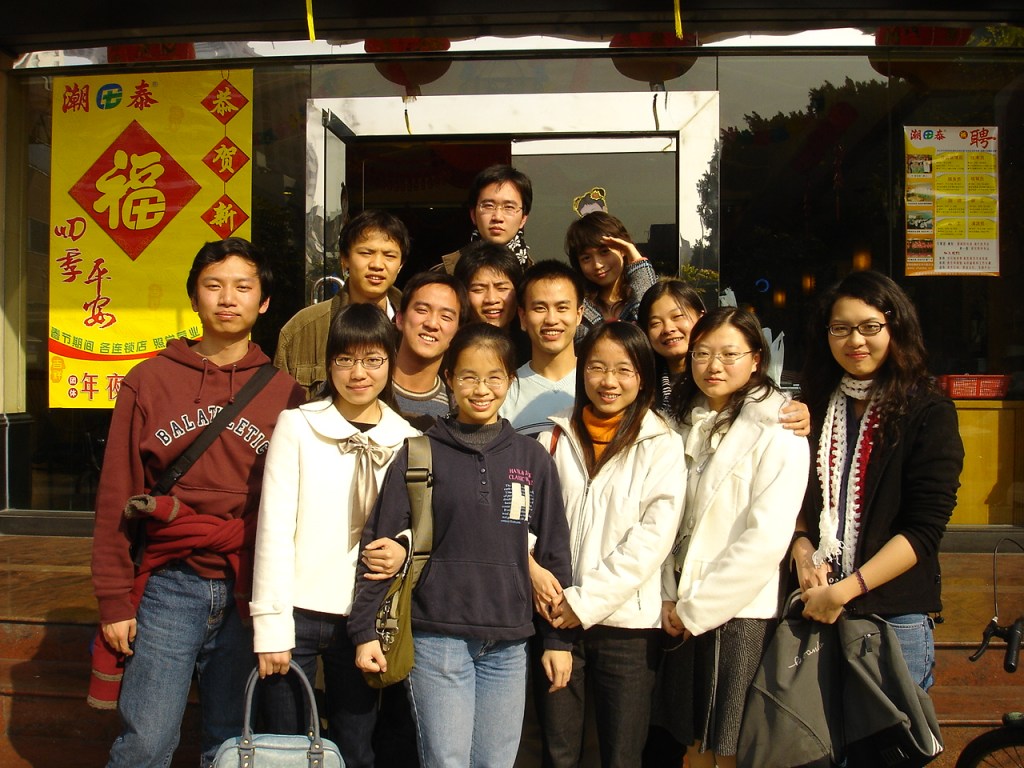
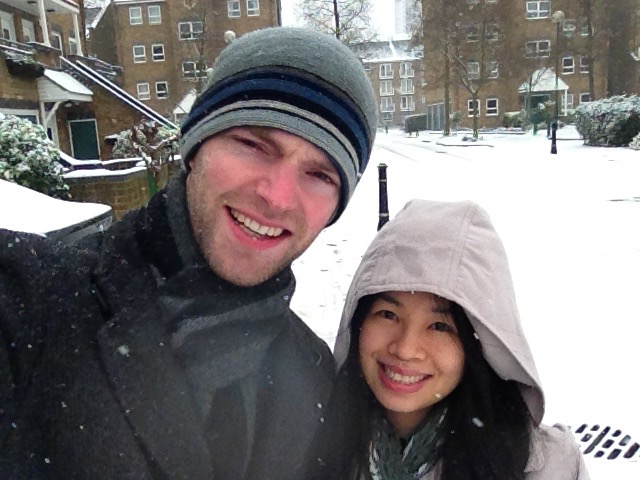
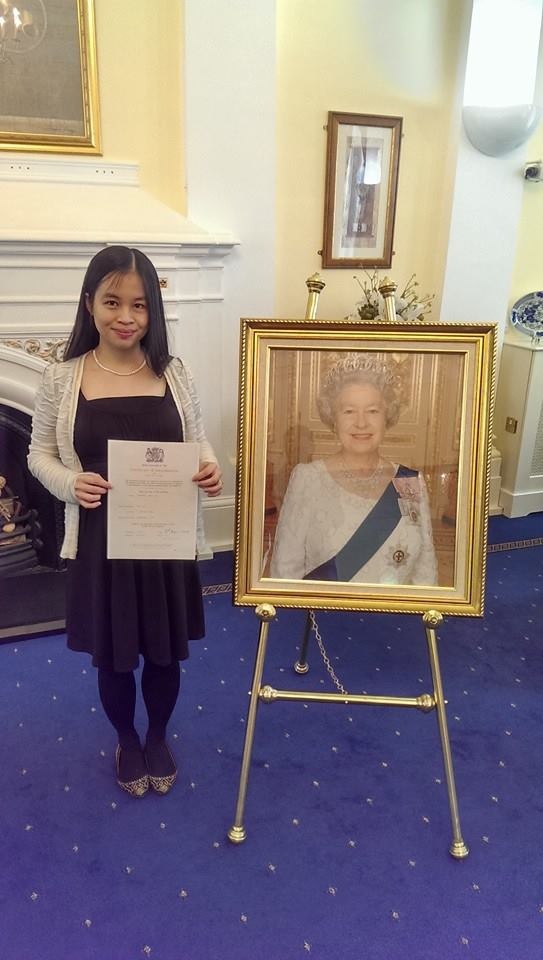
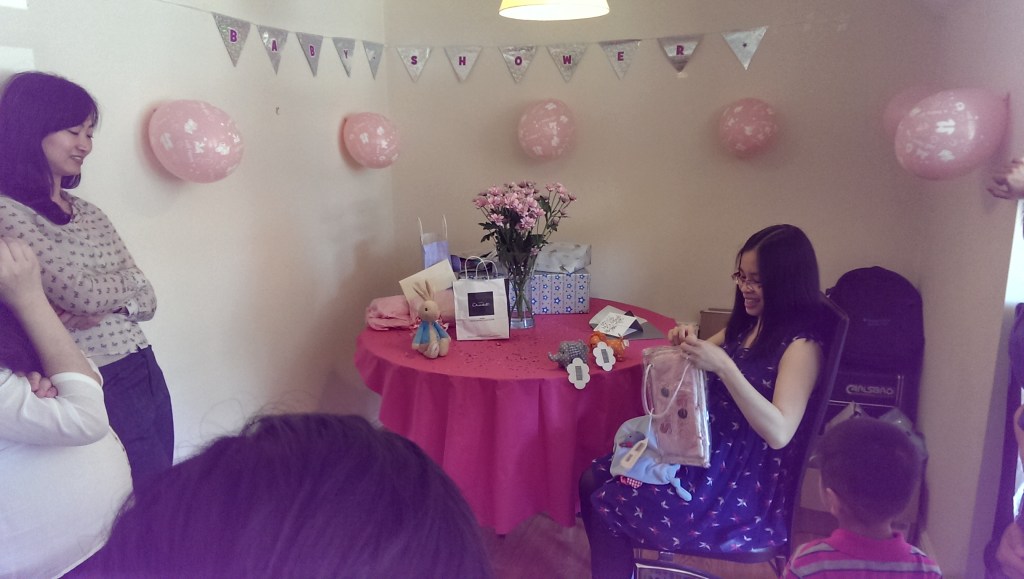
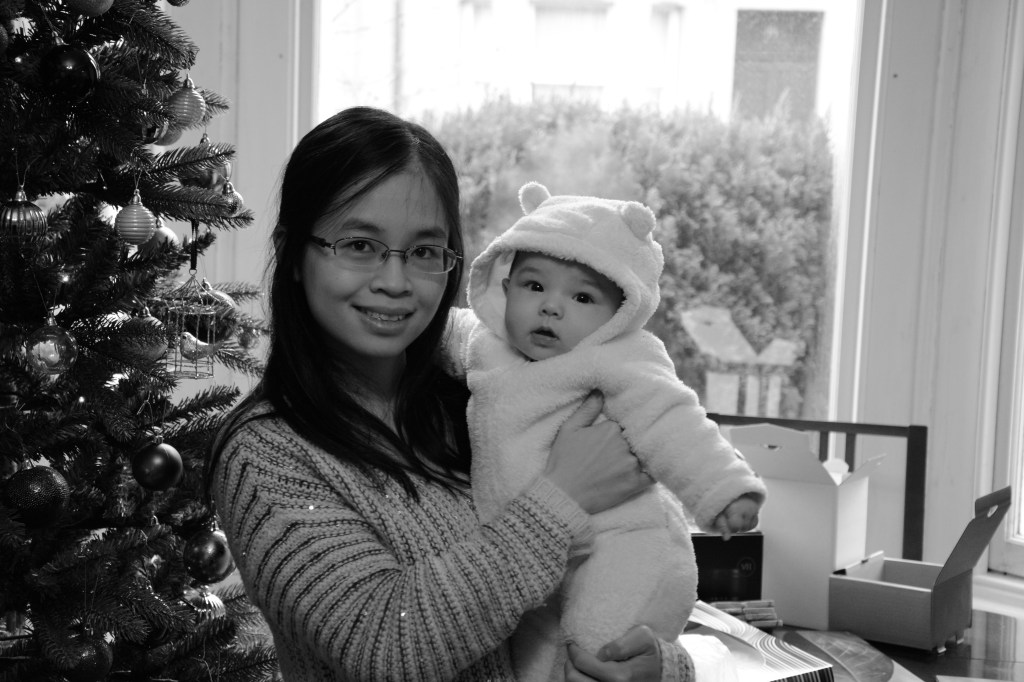
What I find interesting is that when these photographs were taken, they were done so to document that moment and nothing more. An opportunity for those present to relive that event as a memory perhaps. I obviously can’t speak for the photographers who took those images which I didn’t, but, I very much doubt, like myself, think they had the theme of ‘westernisation of a Chinese women’ in their heads when doing so. Before starting this exercise, I got my wife to view the selection of images I had selected and asked her what she thought the series was about. After some consideration, she believed it was showing important moments in her life. In a way she was correct, but, after I explained its true meaning, she was quite taken back. This is because she still doesn’t believe she has become westernised in the sense that she has forgotten everything about her Chinese heritage. This is certainly true and I hope she never does. But, I wonder, in another fifteen years, will the situation still be the same?
Exercise 2: Background as context – Portrait
Growing up I always thought my father knew everything. To me, he always seemed to have the correct answers to the most difficult of questions. Of course, now that I’m older, I understand that my father doesn’t know everything but his general knowledge is still exceptional. Recently, I had a conversation with him regarding dementia. I appreciate this isn’t the most cheerful of conversations to have, but, one thing my father firmly believes is by keeping the brain active, more so in your senior years, you reduce the chances of developing a progressive neurological disorder. How true this is I don’t know, but, when I asked him how he does this, his response was “I read…..a lot”. I knew my father was an avid reader but once we had delved into the discussion further, I then realised how much of a ‘bibliophile’ he actually was. It was then I realised why my father knew so much. The books weren’t only keeping his brain active, but, constantly feeding it with information.
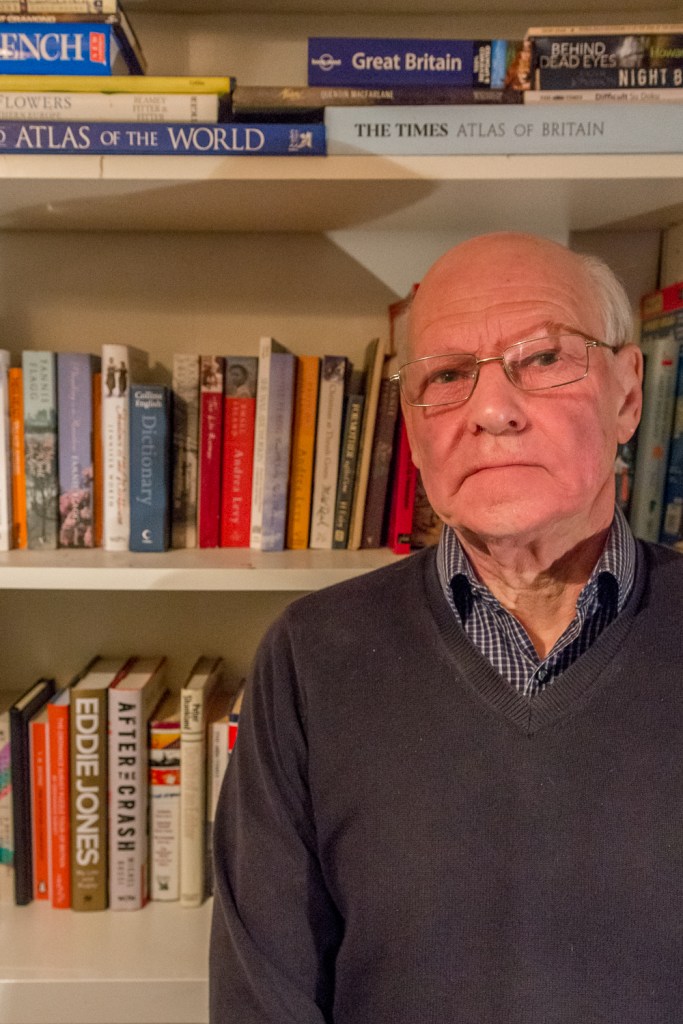
As I wanted the theme of ‘literature’ to be evident within the image and ultimately have this relate to the sitter in question – my father – I thought the simplest way to portray this would be to have him stand in front of a bookshelf. When considering the composition, I felt a portrait showing the full length of the body wouldn’t be suitable as there were too many distractions on either side. These distractions, I believed, would perhaps lead to misinterpretation by the viewer. Instead, I opted for a ‘tighter’ composition that meant I had to carefully consider the placement of the subject. As I wanted as many of the books in the background to be visible, I had to place my father to the side of the frame. When first viewing the image, my eyes are immediately drawn to the books on the left. However, I found that each row acts as a leading line to the main subject which, I must admit, was unintentional but I think works well. Though, I wanted to allow the viewer to have some insight into some of the genres my father is interested in, I purposely chose a wide aperture to blur out some of the written information on the books. By doing so, I think I have left some ambiguity as to what relation this man has with these books. For example, is he an author of one of them?
At the time of shooting, the lighting in the room was particularly bad. As I didn’t have an external flash, I needed to use a table lamp to illuminate my father’s face. Though, it did help increase the highlights, it was far too harsh and produced heavy shadows on both his face and neck and on the bookshelf itself. I were to take this portrait again, I would most certainly use an external flash with the bounce card to create a more even and less harsh effect.
Tutor meeting (18/01/20)
I had an introductory meeting today with my tutor David Wyatt. It was very nice to speak with him and I feel I will benefit greatly because of his photographic knowledge and experiences.
Things we discussed:
- As David specialises in Landscape photography and this is the style of photography I enjoy the most, we talked a little about the subject. It was interesting to hear David’s views on what he considers to be ‘true’ landscape photography. Not so much photographing sunsets over mountains but more to do with how a landscape can help reinforce someones identity. He recommended that for IAP I consider both people and land.
- David mentioned that under new rules set by OCA, each module must now be completed in 12 months and not 15 months. This does not comply for me fir this module as Assignment 5 must be completed by August 2020.
- David discussed how the OCA like to see progression from one assignment to the next and suggested it may help if I stick to what I know though experimentation is a good thing.
- We discussed Assignment 1. He suggested I focus on a specific ‘group’ within the community i.e. the choir. I asked if portrait photography has to be of someones face. He said no, but, for Assignment 1 I should focus on a conventional portrait i.e. the face and progress with ideas / techniques later on in the module.
- Photographers to research: Brian Donnelly? (political photographer) and Niall McDiarmid
Exercise 2: Background as context – August Sander
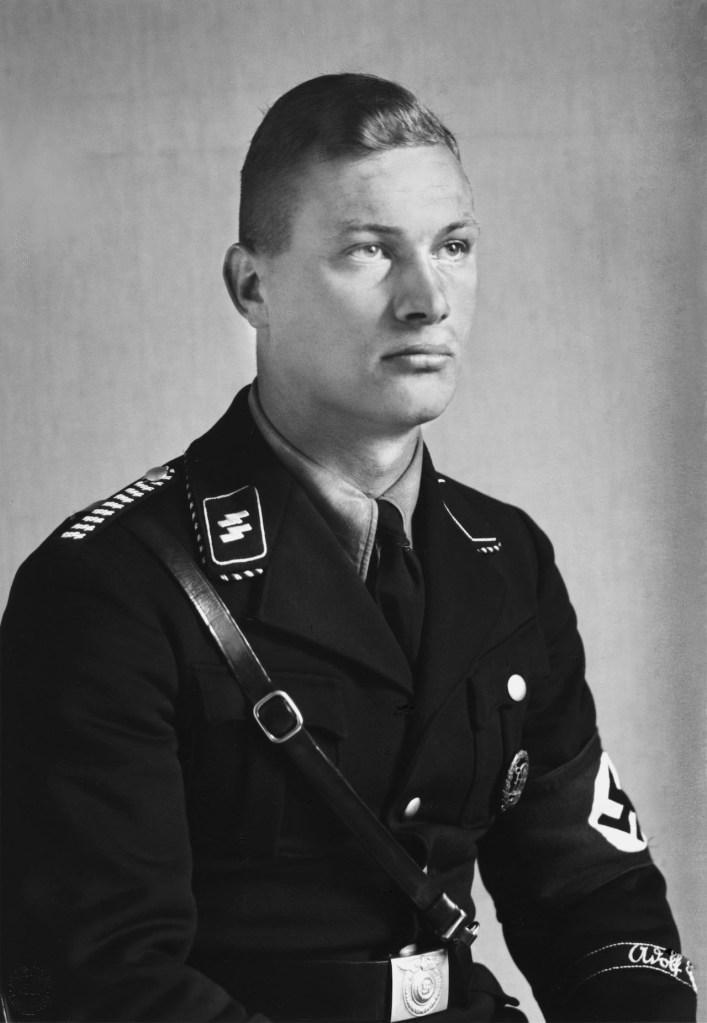
The first thing I noticed when studying Sander’s images from his series ‘People of the 20th Century’ is the position his subjects are sitting in regards to their ‘type’ that Sander’s considered them to be in. Of course, the term ‘type’ is perhaps a kinder way of saying what class these individuals sat within the social ladder. The subjects that some might say to have a less respected profession or way of living, for example, the ‘Cleaning women’ or ‘Political Prisoners’, are sat or stood straight on towards the camera. Whereas, those on the opposite end of the social spectrum, for example, the Schutzstaffel member, are turned side on. I believe the reason behind this relates to each individuals political outlook, which, at that time in Germany, was obviously extremely diverse. Through research, I discovered there were seven parties in Germany during the time Sander’s was creating this particular series. Depending on whether the party the subjects’ supported were left or right wing, or, somewhere in the middle like the ‘Catholic Centre Party,’ reflected what side, if any, the individual faced.
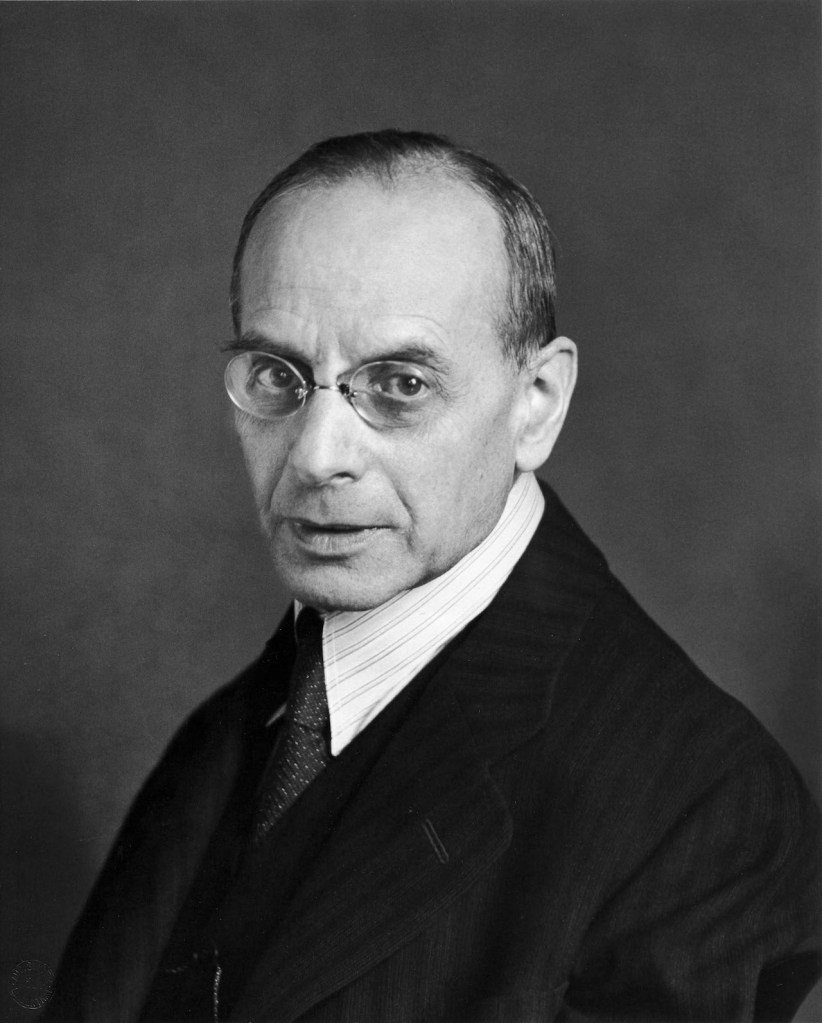
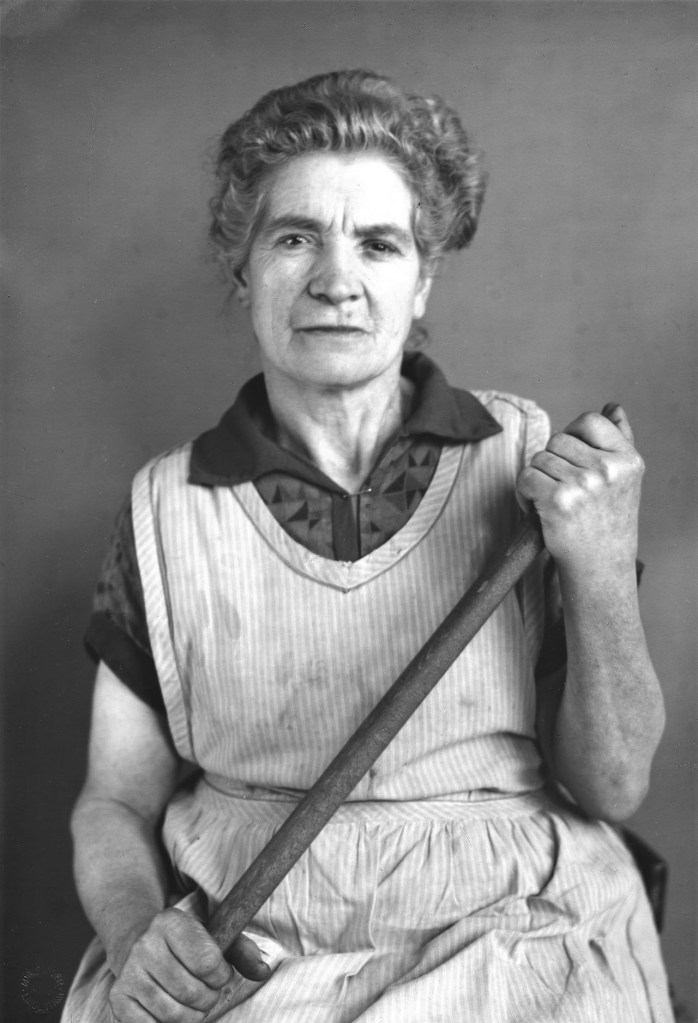
The images suggest that Sander’s liked to photograph his subjects wearing their work attire and where necessary, reinforce their professions to the viewer by including props, specifically items they need and use to work successfully. This however leaves little room for self-interpretation by the viewer as all the information they need to know about the individual is presented to them. That is why I particularly find interesting the portrait of the ‘Cleaning women’ as the ‘prop’ is visible but not entirely obvious. Even with the clothes she is wearing, her profession still remains uncertain. The viewer is forced to look at other elements within the photograph to gain further information and by doing so, I was immediately drawn to her arms and hands. They appear big and strong, indicating she uses them frequently, for example, when mopping a floor. It is this image I have chosen to describe further using David Bate’s ‘five element model’.
The Face
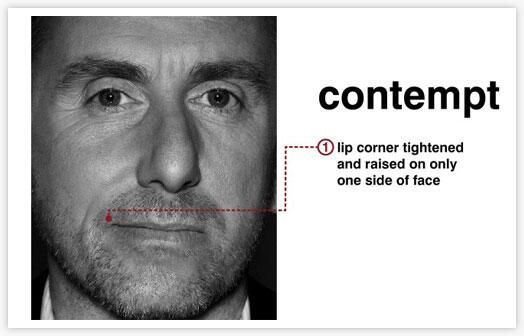
Whilst working on ‘Expressing Your Vision’ and more specifically for Assignment three ‘The decisive moment’ (https://iainbarbourocablog.wordpress.com/category/assignment-3/) I researched facial expressions and their meanings. From what I learnt then, I can tell that this women has a feeling of contempt, meaning, she feels worthless or beneath consideration. This can be identified by the corner of the lip being tightened and raised slightly on only one side of the face. Also, this expression is unilateral, meaning, the face is not symmetrical. We can clearly see that the right side of her face looks different from the left side.
The Pose and Prop
I feel her pose denotes a negative one and reaffirms to me that she does in fact feel a sense of insecurity about herself and the role she has within society. Some may argue that her body is ‘open’ suggesting a sense of strength and positivity. However, I feel she is hiding behind her mop, metaphorically speaking, and is holding it in a way which resembles how a soldier would hold their rifle, which they usually carry for protection and due to a feeling of insecurity.
The Clothing
As mentioned previously, it’s hard to give a definitive answer to what profession this women has just by looking at her clothing. However, I think it would be fair to say that she is a labourer of some sort and wouldn’t be recognisable as someone within a well-paid job or from a higher social class. Looking closing at her apron, stains are clearly visible, suggesting she works around filth and grime regularly.
References
British Journal of Photography. (2019). ‘Persecuted / Persecutors: People of the 20th Century by August Sander’ [Online] Available from: https://www.bjp-online.com/2019/01/sander-people-20th-century/
Facing History and Ourselves. (2019). ‘Weimar Political Parties’ [Online] Available from: https://www.facinghistory.org/weimar-republic-fragility-democracy/readings/weimar-political-parties
The Guardian. (2015). ‘Gun demanding: the psychology of why people want firearms’ [Online] Available from: https://www.theguardian.com/science/brain-flapping/2015/oct/07/gun-demanding-control-firearms-psychology
Aletheia International. (2018). ‘Facial Expressions’ [Online] Available from: https://www.aletheia-international.com/facial-expressions
Exercise 1: Historic portrait
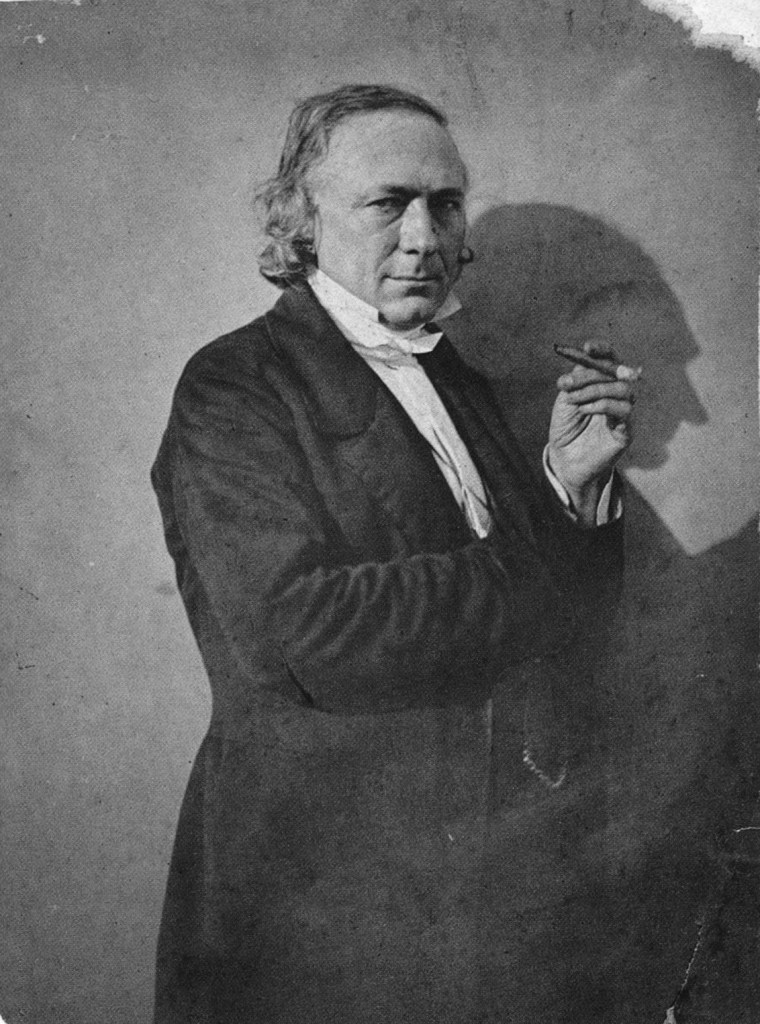
My chosen image is that of French caricaturist, Charles Philipon, taken by the famous French photographer, Felix Nadar. In the photograph, Philipon is presented to the viewer, turned slightly side on from the camera and standing in a way which depicts a sense of confidence within himself. The folding of one arm confirms he is comfortable with his surroundings and with Nadar taking his portrait. Perhaps, there is a mutual respect between the two men, as Nadar himself was too a talented caricaturist. At first glance, Philipon may come across as an authoritarian, due to his small and stern looking eyes looking directly down the face of the lens. However, the slightest of rise smiles, I think, shows his true character which is that of a witty individual who doesn’t take life too seriously – a perfect characteristic for the profession he is in. Saying that, Nadar was the master of using wit to make his subjects feel at ease and help them to ignore their possible anxieties surrounding being photographed. Is it possible that on this occasion, the shutter was pressed at the exact time Nadar made a comical joke? The relevance of Philipon holding a cigar is still unclear to me. There are no other portraits of him holding such paraphernalia or written documents that state he liked to smoke them. Nadar, did like to use props on occasion that had some significance to the subject, but why not usea pen? Perhaps, this was Philipon’s decision?
To help with Nadar’s philosophy of working in a “relaxed and personal manner” to create the best images possible, he always worked within a familiar environment – his home. This particular portrait was taken in Nadar’s Parisian back garden in 1854. By using a plain, white backdrop, Philipon, dressed in a black suit, becomes the focus instantaneously. With him wearing a white shirt that flares out towards his neckline, the viewers’ eyes are drawn upwards, towards his face – the main focal point of the portrait. Though, Nadar was a revolutionary in the use of artificial light for photography, in this instance, he used the natural light of the sun to help highlight Philipon’s face. Cleverly, though perhaps unintentionally, a shadow of Philipon has been cast onto the backdrop, creating a caricature of himself. Not only does this set up, choice of attire and use of natural sunlight help reinforce Philipon’s class and status, it has also been cleverly used to address photographic conventions, such as simplicity, leading lines, symmetrical balance and framing.
Nadar’s approach to taking portraits was to use the wet plate collodion negative process. By using this technique, any number of prints could be made, which wasn’t possible with the older and by this time, the less favourable daguerreotype. This would have been advantageous for someone with wealth, like Philipon, as, not only could he purchase prints for himself, but, also for family, friends and business acquaintances.
References
The Guardian. (2015). ‘The absurd life of Felix Nadar, French portraitist and human flight advocate’ [Online] Available from: https://www.theguardian.com/books/2015/dec/23/books-felix-nadar-france-photography-flight
The Public Domain Review. (2019). ‘Photographs of the Famous by Felix Nadar’ [Online] Available from: https://publicdomainreview.org/collection/photographs-of-the-famous-by-felix-nadar
The Met. (2004). ‘Nadar (1820-1910)’ [Online] Available from: https://www.metmuseum.org/toah/hd/nadr/hd_nadr.htm
Time. (2017). ‘How Nadar became the first great portrait photographer’ [Online] Available from: https://time.com/4846969/nadar-biography/
Imaging Resource. (2013). ‘The incomparable Nadar: Master photographer, political cartoonist and balloonist of 19th century Paris’ [Online] Available from: https://www.imaging-resource.com/news/2013/03/22/the-incomparable-nadar-master-photographer-cartoonist-balloonist-of-paris
 Iain Barbour - BA (Hons) Photography