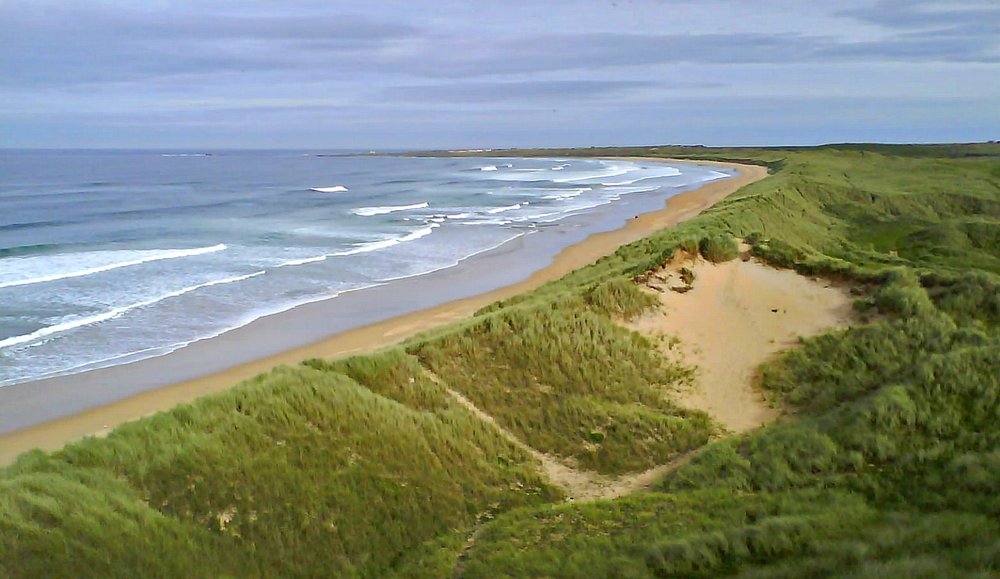
If time, and finances allowed, I would choose to travel around the coastline of Scotland, documenting the many beautiful beaches the country has to offer. My interest in Scottish beaches has developed considerably over the years, which I find peculiar, as I don’t consider myself as a ‘beachy’ type. I’ve always wondered why some people will spend hundreds of pounds travelling abroad, to sit on a beach, days on end. Of course, weather has a big part to play in this decision making, and even in the height of a Scottish summer, warm weather isn’t guaranteed.
When on my journey, I would document other beach goers, and ask them their thoughts on the ‘beach holiday’ and why they have chosen to visit that particular beach. The data I receive, could then somehow be incorporated into my work. I would also photograph the beach itself and the surrounding landscape, to explore further, the notion of what makes a beach ‘beautiful’. An interesting project I feel, could be to use digital editing techniques, to create images’ that incorporate certain aspects of beaches from both abroad, and in Scotland. For example, if palm trees were evident at the beach below, would it instantaneously become more appealing?
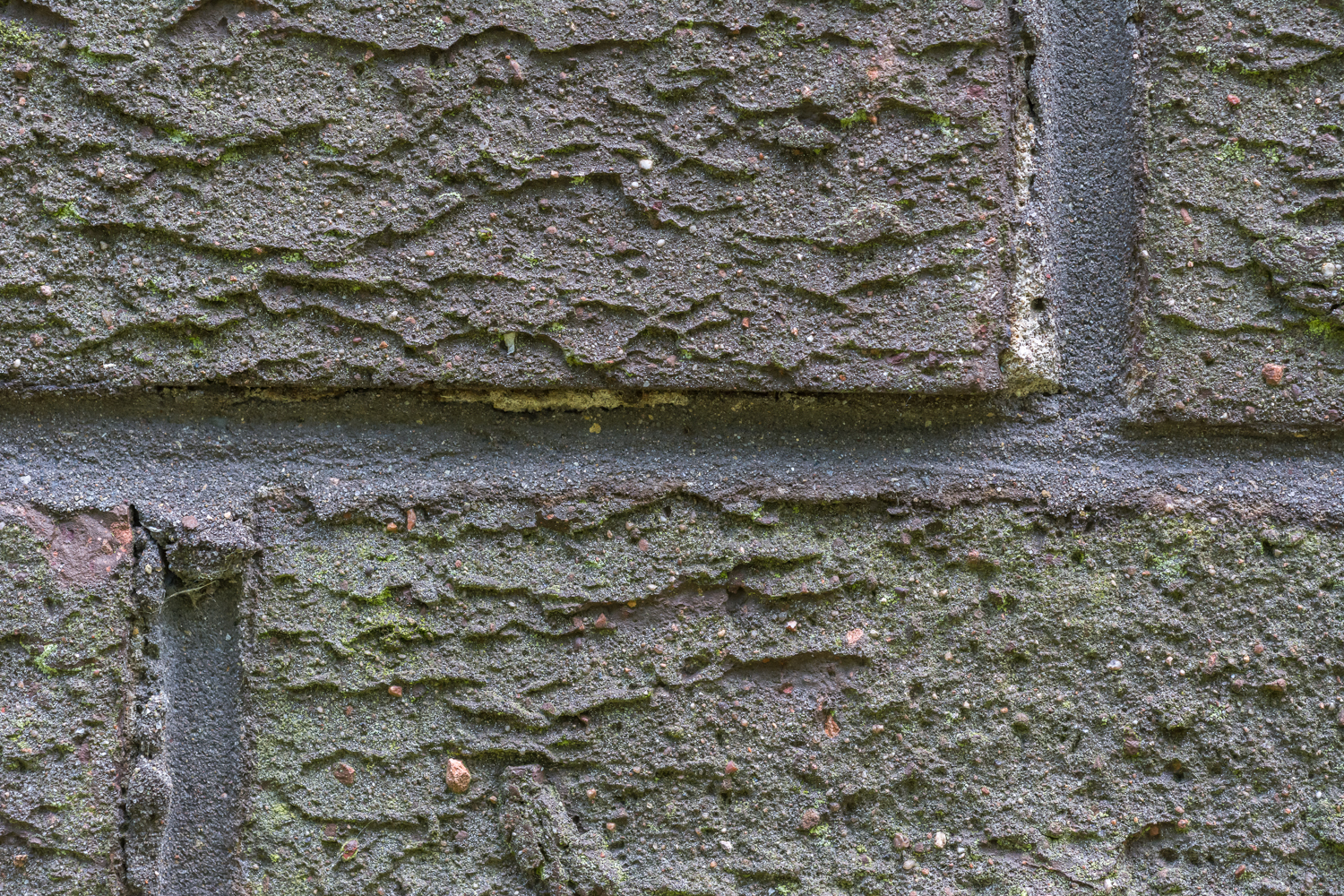
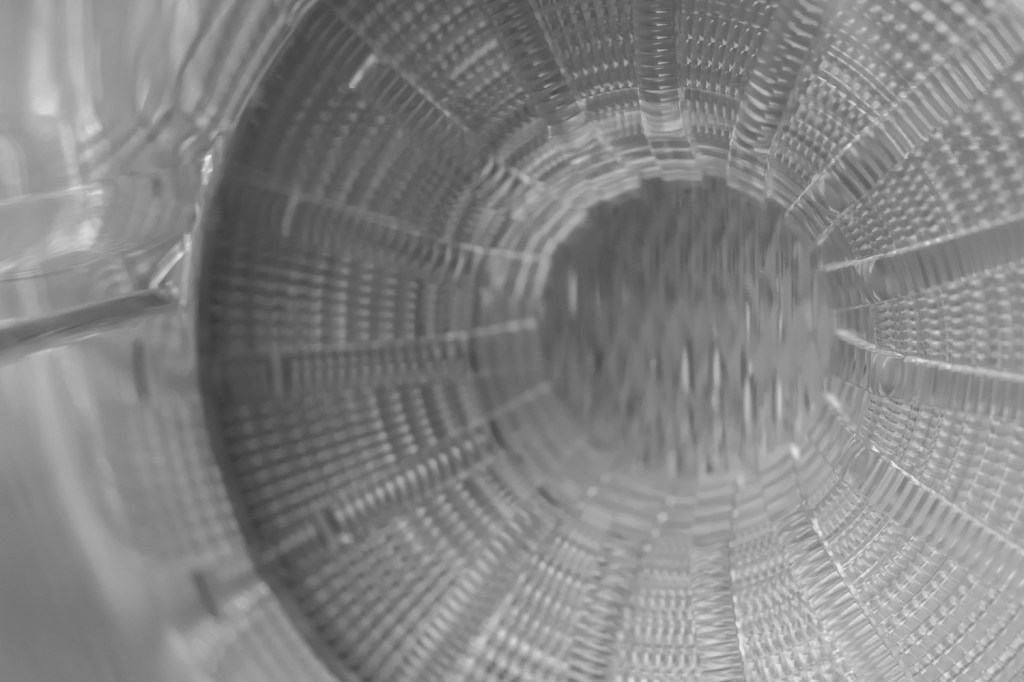
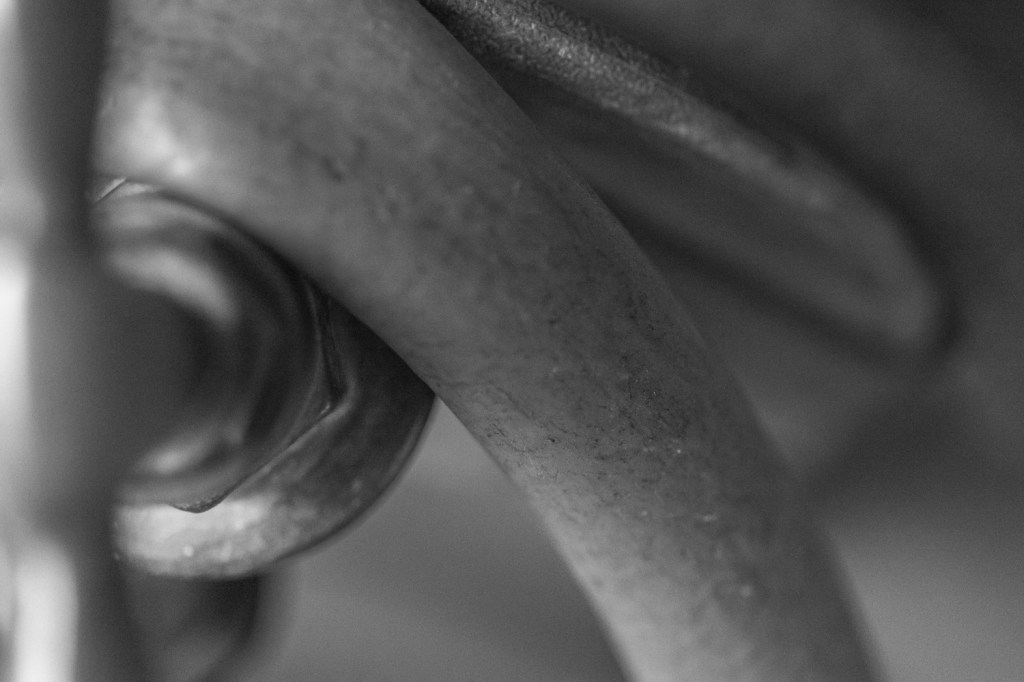
From my bedroom window, I look out onto a communal garden, a car park, and drying green. There are a number of objects visible within these areas, which could be considered as both interesting, and perhaps, less so – certainly from a photography point of view.
Garden
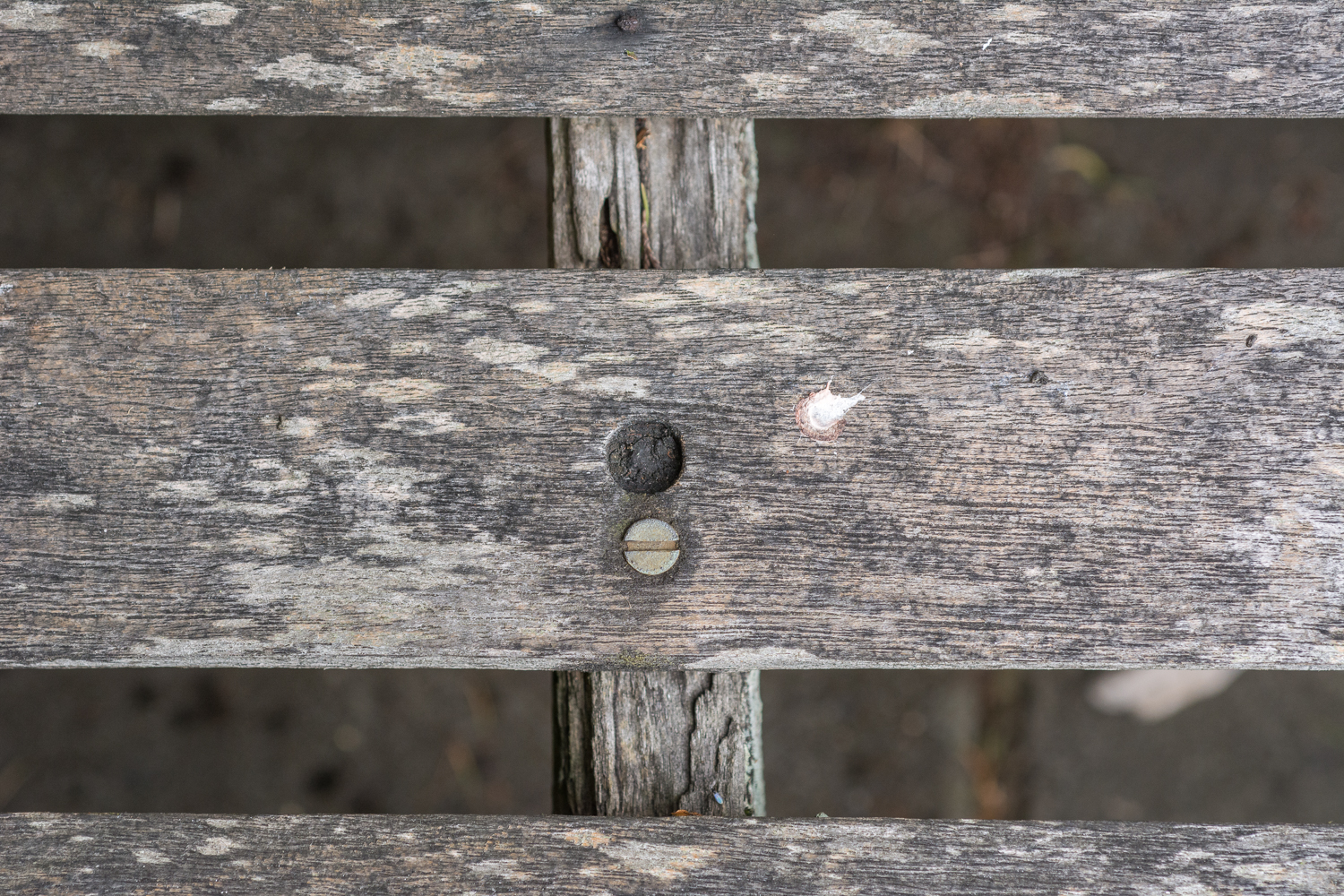
Trees and shrubs, grass, garden bench, detritus, blue skies and white clouds
Car Park
Cars, drain cover, stone chippings, wall, hose, tarmac road,
Drying Green
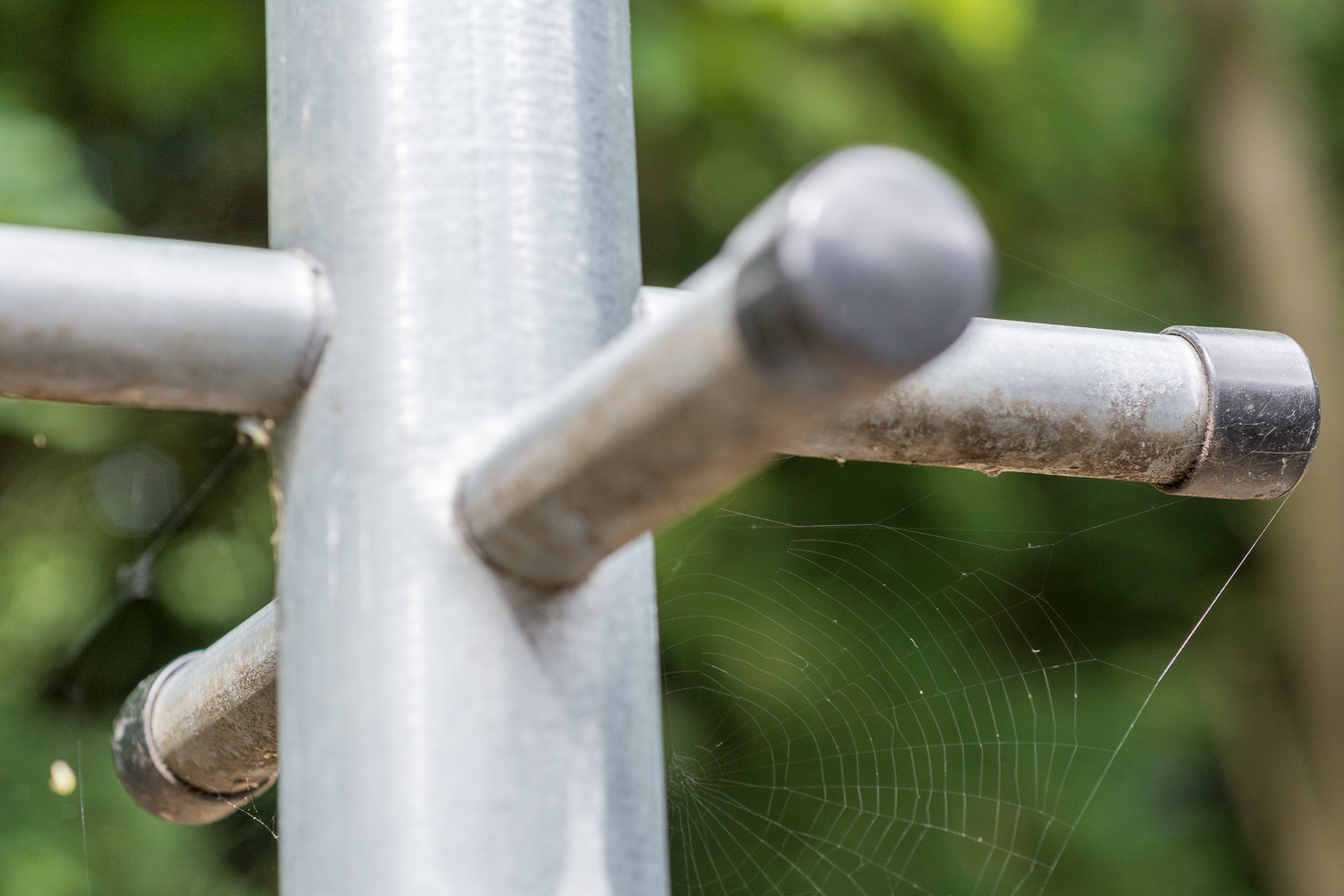
Clothes line poles, wooden fence, trees and shrubs, concrete slabs
Of course, it’s possible to photograph any scene that is presented in front of you. However, depending on how you photograph it, will ultimately affect how the image is seen, and interpreted by the viewer. This in turn, could affect the photographers intended meaning, so knowing prior to taking an image, or images’, what you hope to achieve, is vitally important. For example, do you want to capture the whole seen, depicting all objects in one frame – though perhaps less obvious. Or, take a series of images’, showing a number of objects in greater detail, in order to paint a bigger picture of the scene you have witnessed.
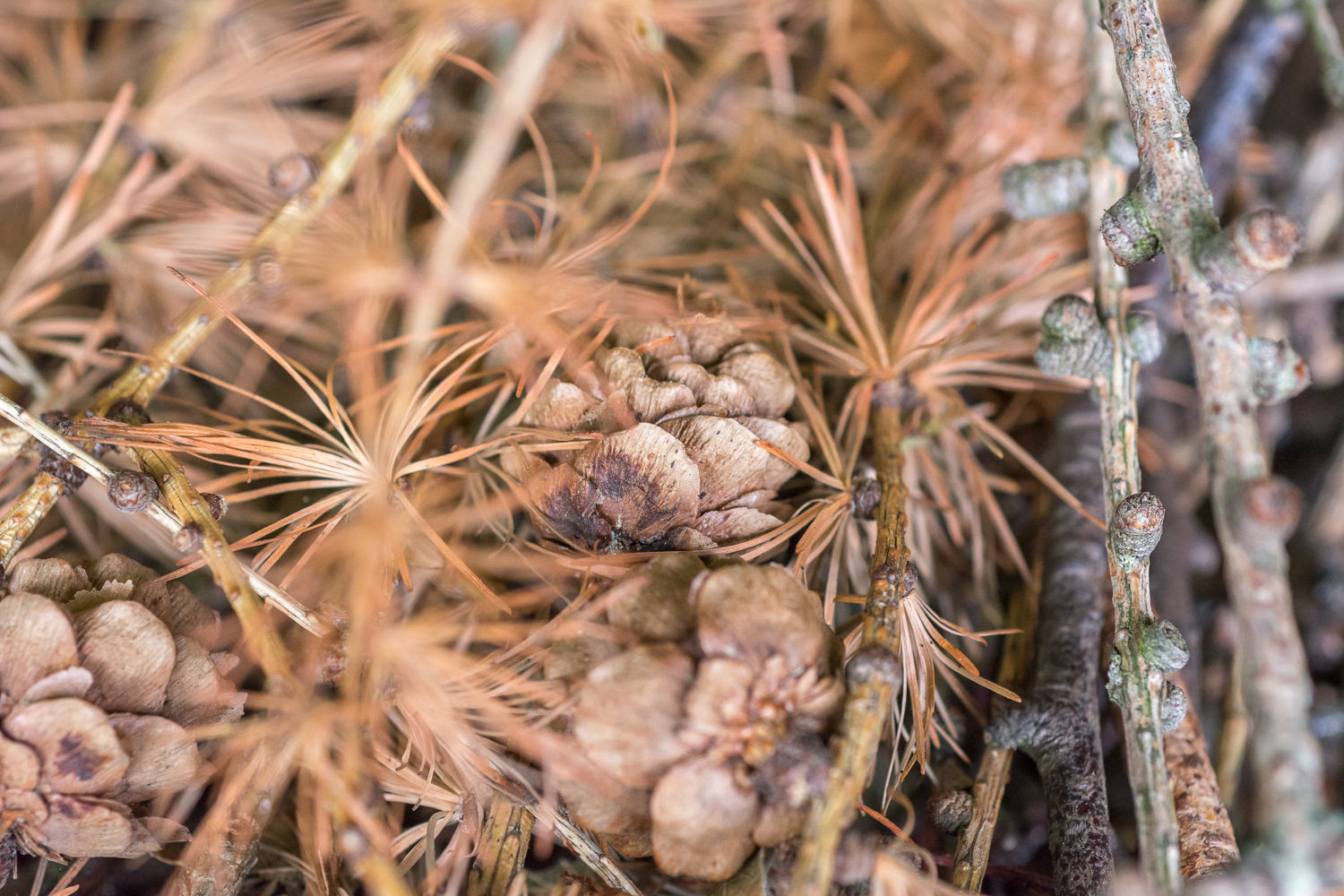
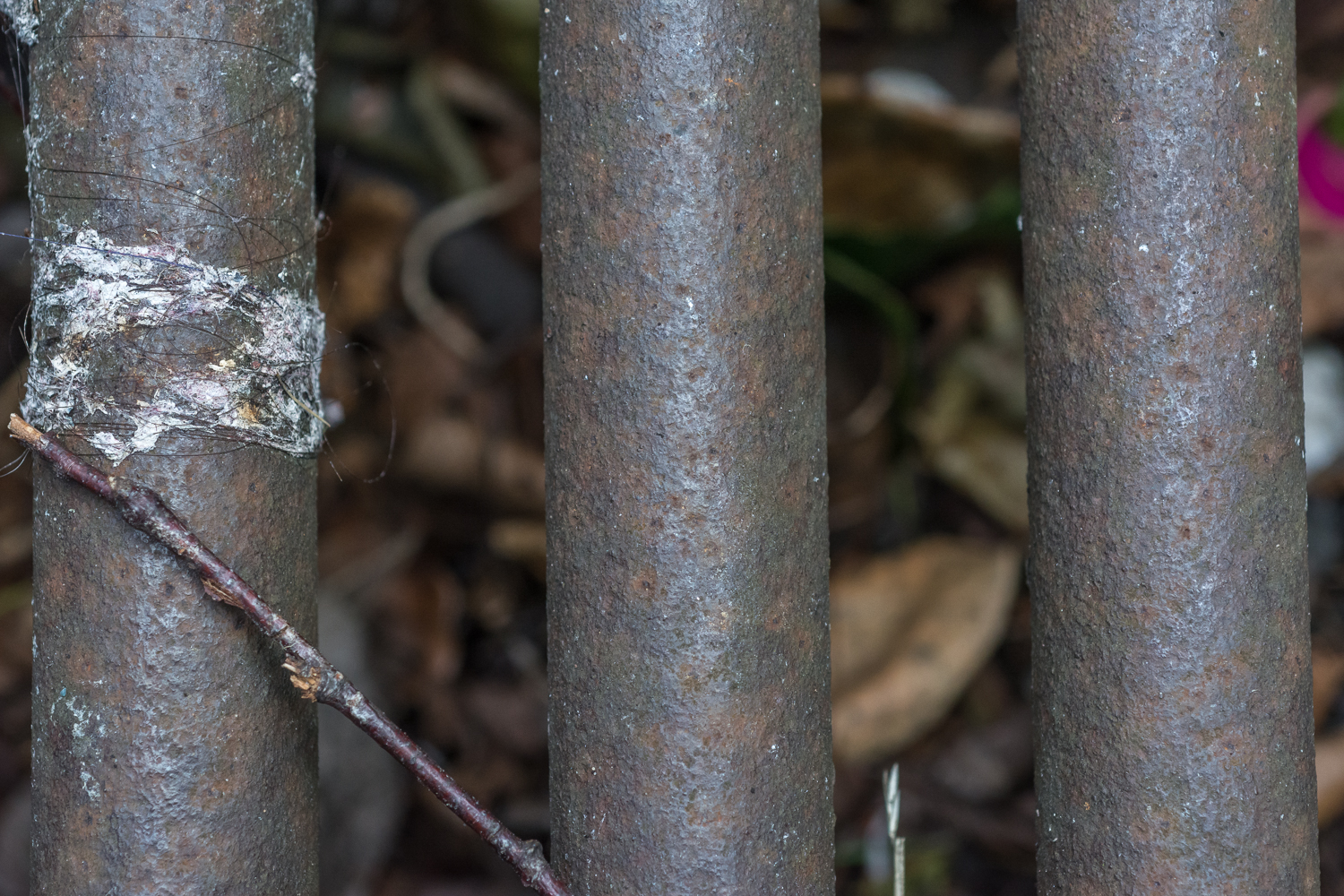
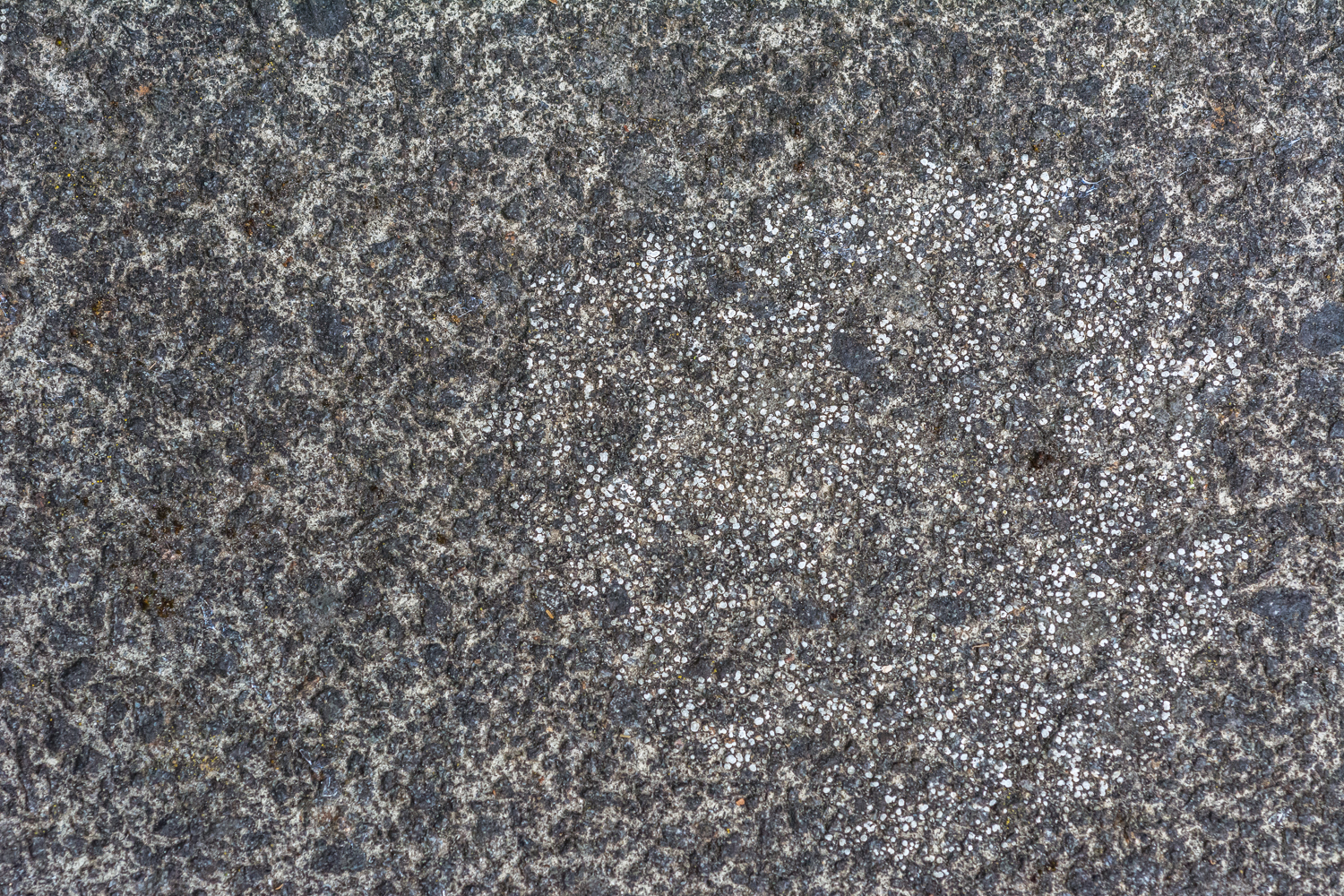
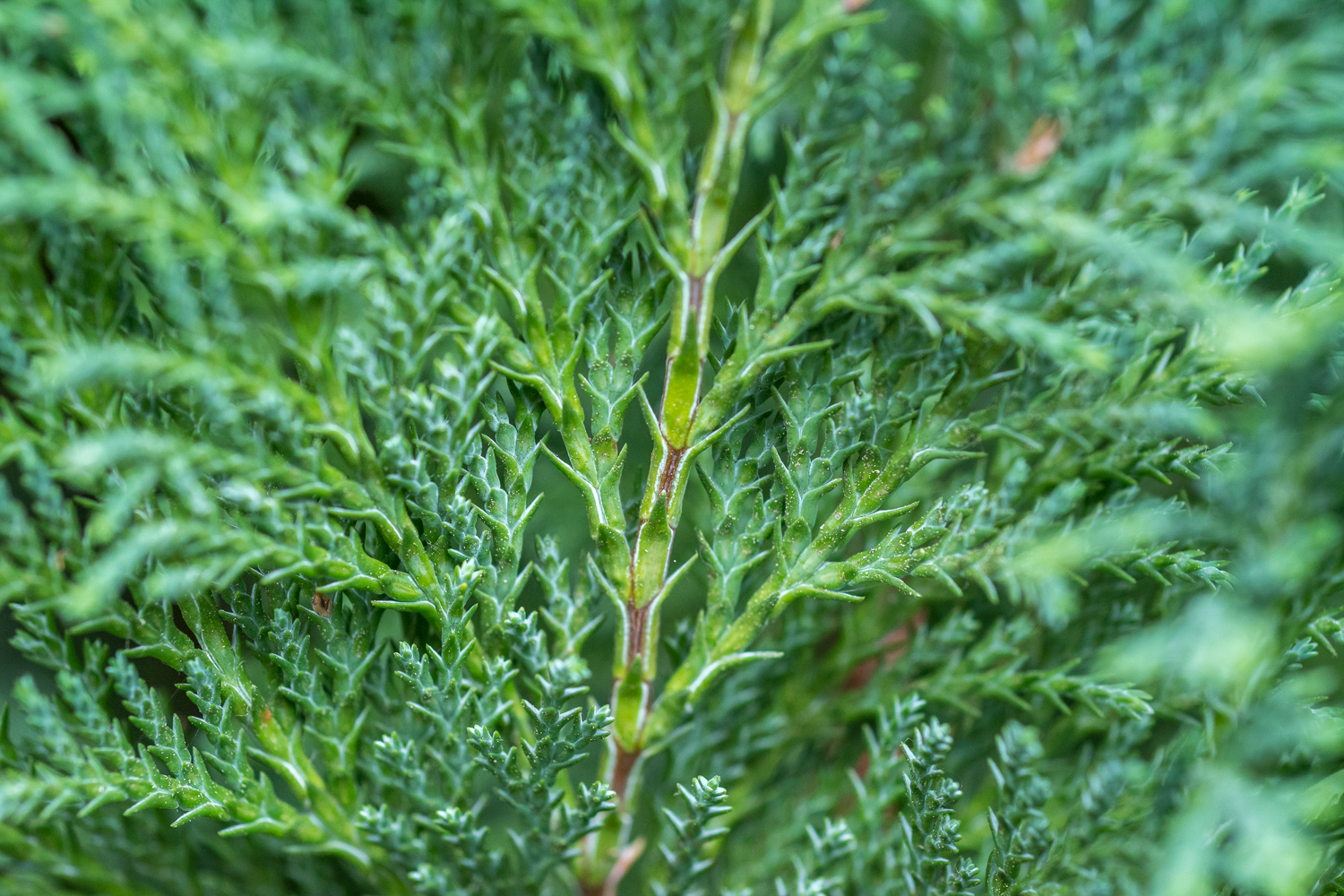
For this exercise, I actually went a step further, and decided to create a series of macro images’. I wanted to see how easy it would be, to have a better understanding of what the overall scene looked like, based on the individual images’ being presented together. Would the viewer be able to create a bigger picture of what can be seen from my bedroom window, or, are macro images’ – in this instance – inappropriate for the scenario? On reflection, I don’t think it does work. I believe by opting to take macro images’, the intimacy in which I have created, has also formed a sense of obscurity surrounding some of the photographs’. Whilst some of the images’ are more obvious in regards to what is being depicted – despite the close proximity – others are not. I think for this notion to work, I would need to photograph complete objects, rather than ‘parts’ of them. I think the series works best being presented in colour, as some of the objects become more abstruse when viewed in monochrome – which certainly isn’t my intention. I think to help the viewer interpret the scene, text stating what each object is, would need to support each image.
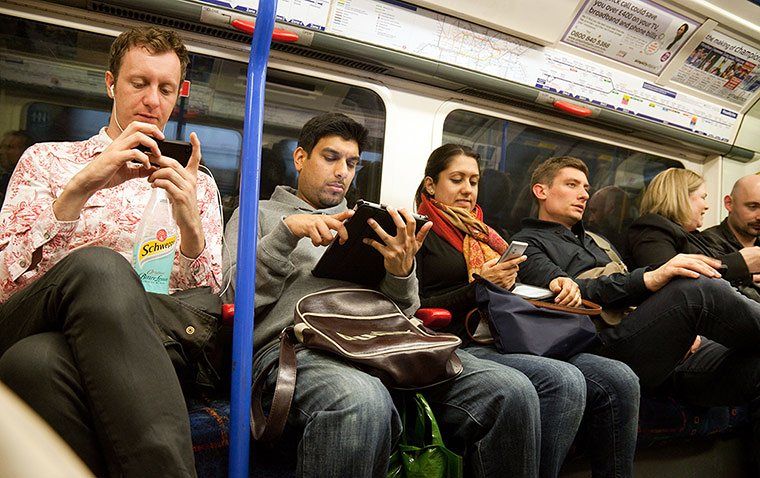
With the advancements in technology – especially surrounding mobile phones or tablets – for the majority of us, our days are spent glued to their screens, in order to watch movies, purchase items online, and perhaps most common, to check our social media. Statistics show that on average, we spend three hours and fifteen minutes a day, on our mobile phones. This may not seem a lot, but if we take into consideration that on average, a person sleeps between seven and nine hours every day, that statistic isn’t positive.
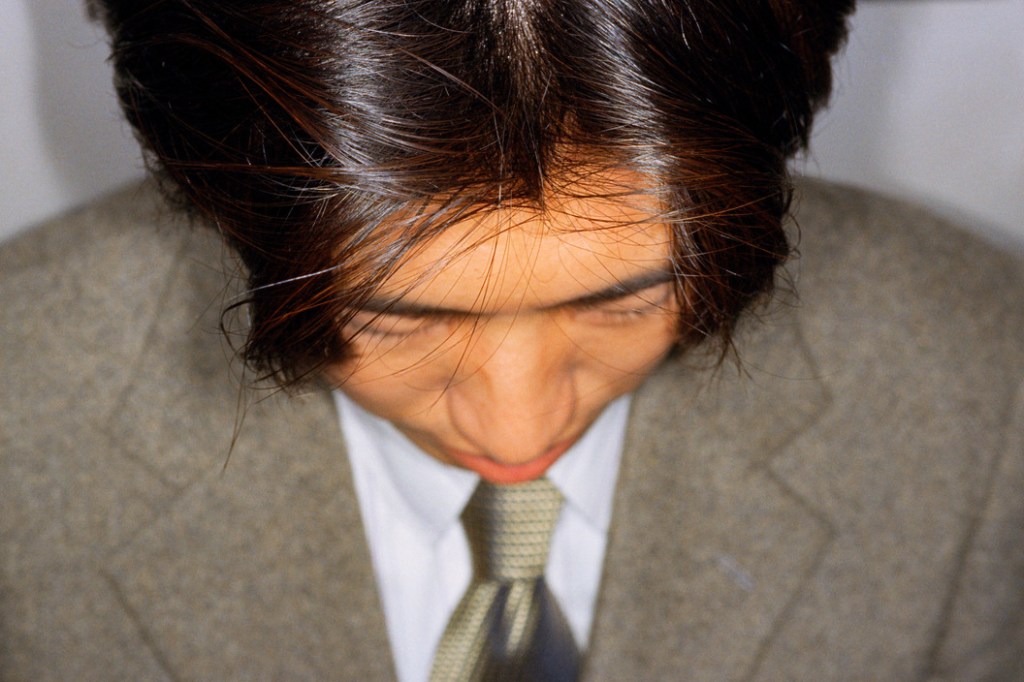
When I lived in London, I dreaded using the underground, but always found it to be such a fascinating environment, when considering human behaviour. You would think that a tightly packed carriage would be a social place. In fact, it was the total opposite. Looking down the carriages, it would be hard not to spot someone who wasn’t immersed in their phone. However, I cannot be too judgemental, as I too on many occasion, fell victim to ‘the screen’. I would like to think that this mass behaviour, is due to the fact that there isn’t anything of particular interest ‘underground’, and the act of being on one’s phone, or tablet, is merely an activity to pass the time. Unfortunately, I don’t believe this to be the case, and when specifically considering opportunities surrounding photography, there are many potential moments to capture memorable images’ – if we just look. We only need to refer back to Martin Parr’s work ‘Japanese Commuters’ for confirmation of this notion. Of course, smart phones were not around in 1998, so perhaps, individuals’ were more aware of their surroundings then, than they are now. However, this doesn’t take away the fact that Parr effectively took advantage of the environment he was in, and produced a series of fascinating photographs’ that many of us would miss – more so today.
JAPAN. Tokyo. From ‘Japanese Commuters’. 1998.
I think in general, anytime we are concentrating on anything else that isn’t directly in front of us, we are missing a potential opportunity to capture that ‘decisive moment’, witness something that we may want to photograph later, or draw inspiration from to create a project. This would mean however, carrying a ‘professional’ camera at all times, which realistically, isn’t always practical. So, why not take advantage of the very device that could be the reason why these images’ aren’t photographed in the first place – a mobile phone.
I did some further research into the concept of still-life, and learnt that in a traditional still-life picture, the objects that are depicted within the scene, have been placed there purposely by the artist, for reasons such as symbolism, personal interests, or simply because they are aesthetically pleasing. Composition is an important factor that is also taken into consideration, where these objects are rearranged frequently, in order to create a more balanced scene, or to take full advantage of the directional lighting, for example. Unlike other styles of photography, especially those that involve people, still-life allows the artist – or photographer – time to create their desired scene, and ultimately, to take the photograph.
For this exercise, I wanted to use ‘time’ as the underlying theme for my still-life images’. But, rather use it to my advantage, reflect on how time – or indeed, the lack of it – is something I feel is a negative aspect in my life currently. I wanted my images’ to depict some of the seemingly endless amount of parental chores I have to undertake on a daily basis, which leaves little, or no time for personal activities. I decided to use my phones camera, as many of the ‘scenes’ quickly return back to ‘normal’, and hoped to emphasise the urgency behind each shot, ultimately distancing myself from the usual notion of unpressurised time associated with still-life. I felt that if I’d used my professional camera, this would have given an unrealistic impression on capturing the moment, as, unlike my camera, my phone is with me at all times. However, as I didn’t want my photographs to be ‘snapshot’ in style, which certainly doesn’t represent a still-life, I took careful consideration over my composition, and where possible, any natural light that was evident in the scene.
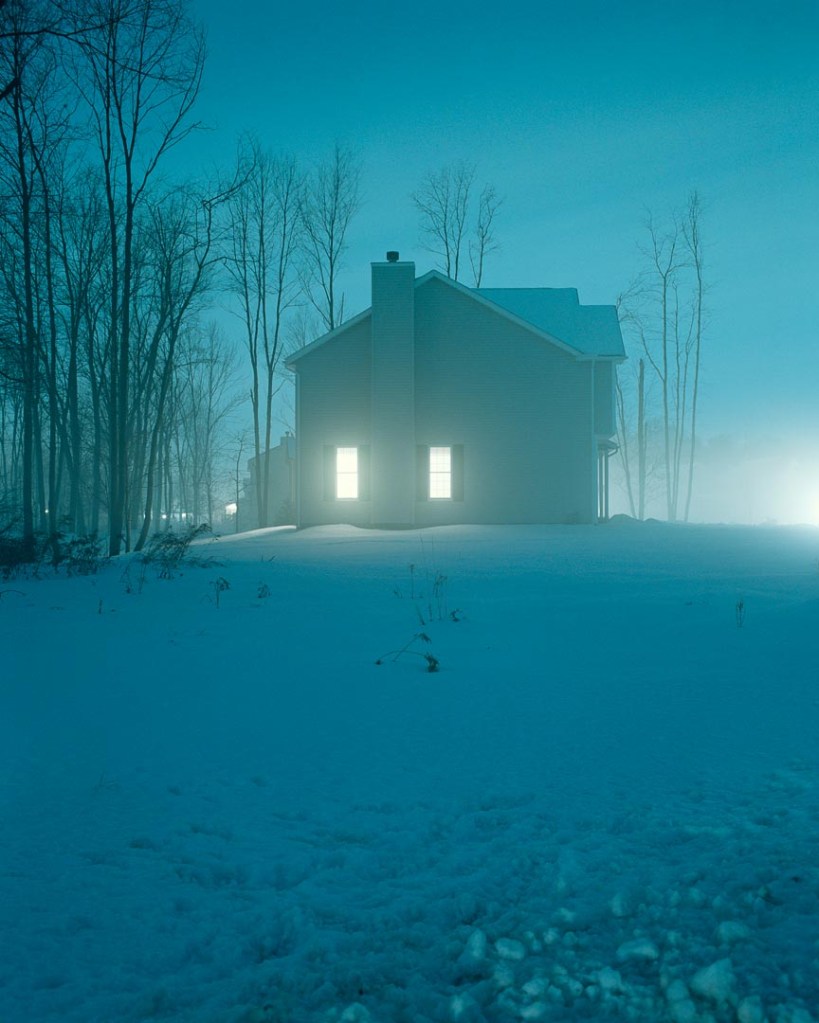
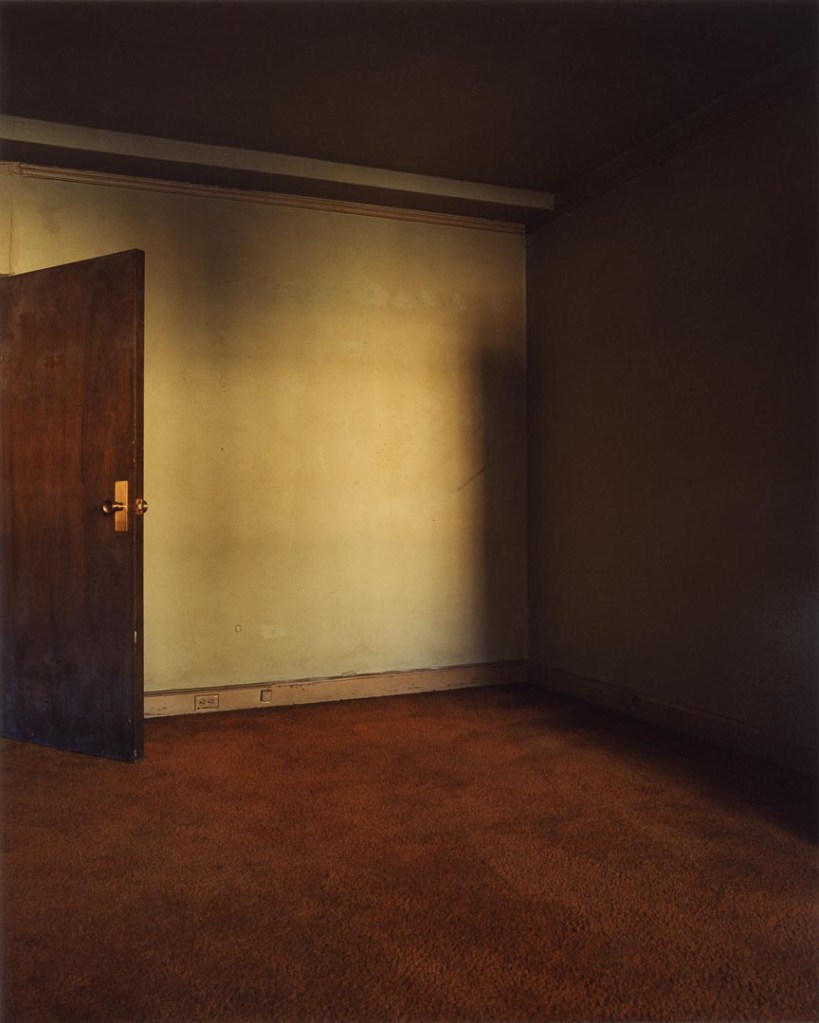
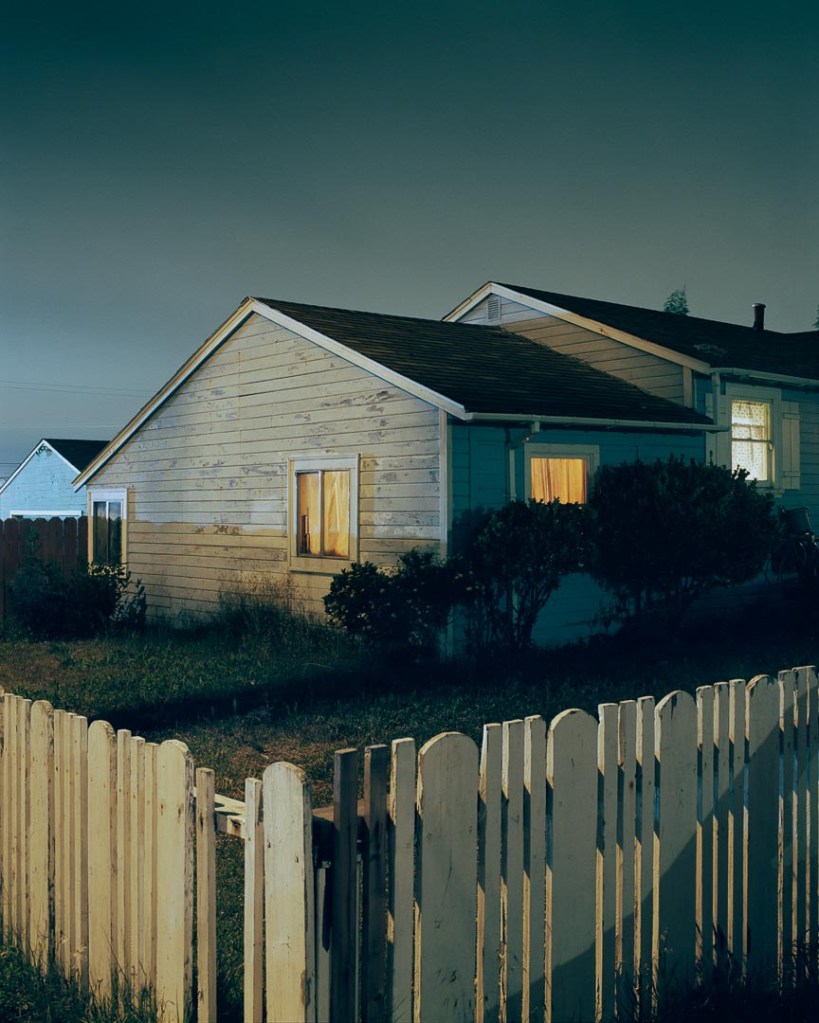
Fascinated by William Eggleston’s work, I did some further research into photographer’s, who also manage capture the banal beauty of American suburbs, and are able to document human existence, without people being evident within the image. Todd Hido, is one of these photographer’s. He produced two fascinating projects that I took particular interest in – Homes at Night and Interiors.
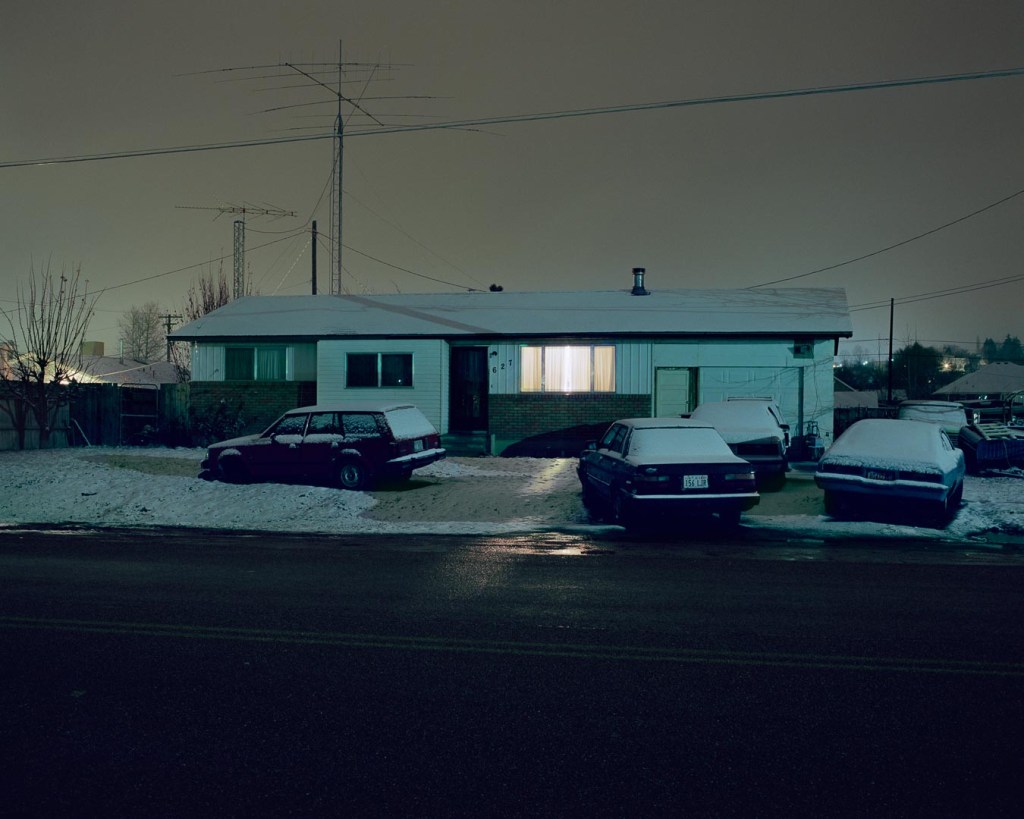
Homes at Night could be described as voyeuristic in style, which saw Hido photograph stranger’s homes in the dead of night, attracted to them because of the beautiful lighting in the windows, or because he felt there was an “interesting story inside”. At times, he would drive for hours around American suburbs that remind him of his home, to find a suitable image, and on occasions, would return from his journey with nothing to show. Often, the landscape appears cold and bleak, with snow or mist frequently incorporated in the photographs’, which is a clever contrast between the warm and welcoming lights radiating from inside the houses. Hido used ambient light only, in order to keep the process, and ultimately his images’, as ‘real’ as possible, and on occasions – to his advantage – he used the headlights of passing cars, which he describes as “painting light across the scene”.
It would be understandable to think the subject matter he is documenting in this particular series, are the houses themselves. However, as Hido explains in the video ‘I use my photography to express myself’, “there really not about houses, there about people”. As a viewer, we are left thinking more about those inside – who are they? How do they live? – resulting in questions being asked, as opposed to the answers being revealed, thus, allowing room for interpretation. If we consider the ‘signifier’ and ‘signified’ in some of the images’, we may be able to determine the type of person, or people, who reside there. For example, relating to the photograph below, I interpret that the people who live in this home, consist of a large, working class family, who live a comfortable, but simple life.
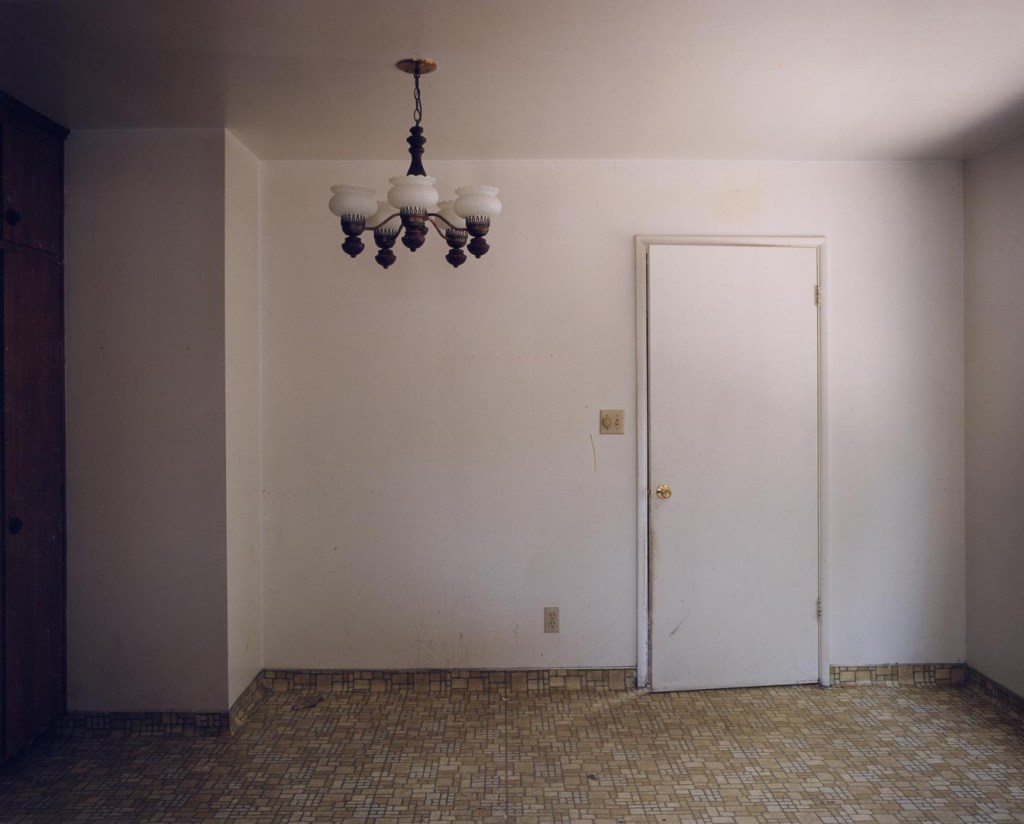
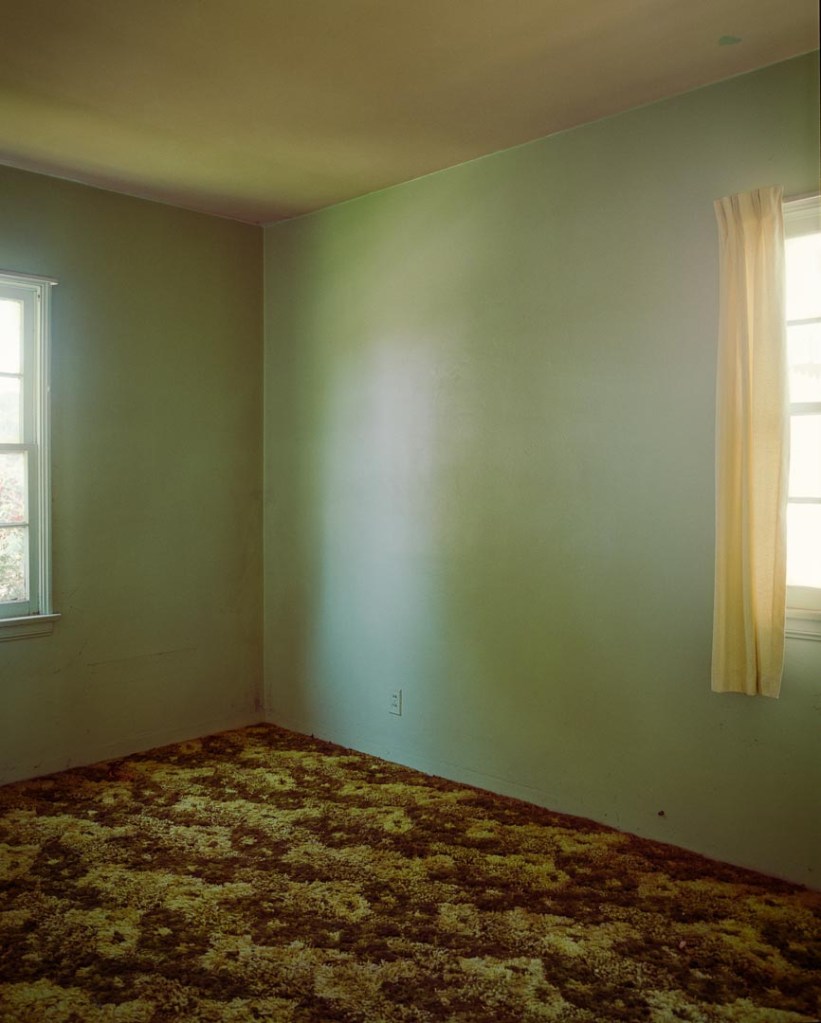
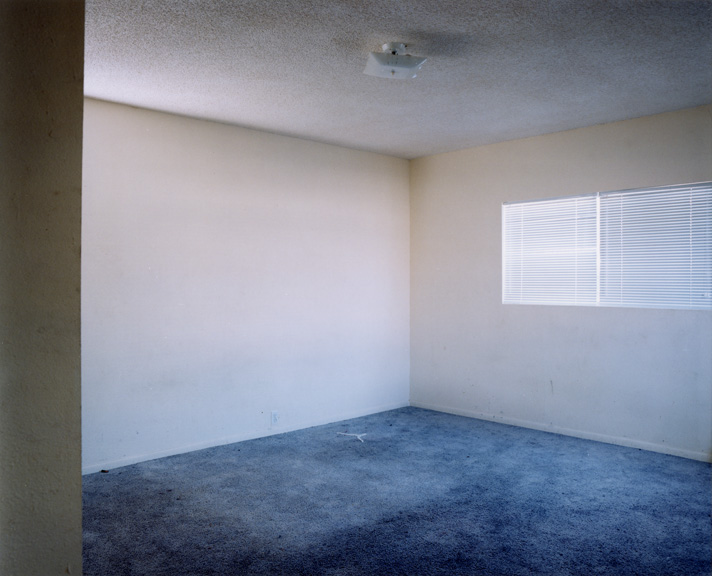
Interiors, as the name suggests, sees Hido photograph the inside of houses – the opposite of Homes at Night. What I find interesting, is where Homes at Night shows evidence of ‘life’ at the moment the photograph was taken, Interiors depicts unlived environments. The bleakness too, which is often felt when studying the exterior landscapes of the photographs in Homes at Night, is now sensed from within the stark interiors of the unfurnished homes. Hido has made a seemingly boring scene fascinating, by effectively applying compositional techniques, and using the natural light from unseen windows, to highlight certain areas of the room, which I think adds an element of drama.
Though, the two projects’ in question are very much individual, the intended subject matter is the same – people. Even with the lack of furniture, I believe it’s possible to gain a better understanding of who used to reside in these homes, just by looking at the décor on the walls, and the carpets. For example, relating to the first image below, I get the impression that someone of an older generation was the last occupant, due to the dreary, dated carpet. Whereas, the second image, depicts a modern interior, suggesting the residents were perhaps younger. Regardless, I get a sense with all the photographs’, that the individuals’ have only recently vacated the property. Hido said himself that it “feels like somebody was just there or just walked out of there”.
From reading the chapter ‘Something and Nothing’ from the book ‘The photograph as contemporary art’, I was drawn to the sentence that stated that there is “no such thing as a unphotographed or unphotographable subject”. After thinking about this in more detail, and from reviewing the images’ and photographers’ further that supported the particular chapter, I came to agree with this notion. However, I believe, in order to make this specific thought process justified, the photographer must have an informed reason, or strategy, as to why a particular subject – regardless of perceived interests – is to be photographed.
Like any artist – though I use that term lightly when applying it to photography, as though anyone can pick up a camera, not everyone is a photographer – all work created is ultimately a form of expression. When an object, or certain environment is photographed that may be considered uninteresting by the viewer, due to its banal subject matter, we are actually being presented with the photographer’s interpretation on a particular theme that we aren’t accustomed to seeing. To successfully create images’ like this, without the intended meaning being jeopardised, is incredibly difficult, and it really does take a talented photographer, with an eye that most of us don’t have, in order to achieve this.
Unfortunately, these photographs’ usually don’t get the recognition, or appreciation that they deserve. They are often the ones that feature in galleries, or books that receive a glimpse by the viewer, and are then forgotten about just as quickly. Though, they may be visually interesting, the meaning behind them can often be obscure, resulting in an image that is hard to interpret, and fundamentally, to understand. The majority of people don’t have an education, or a strong understanding about the language of photography, and that can be a problem. When it comes to art in particular, if one can’t relate the piece in question, they often deem it as not being particularly good, and unforgettable. As the book quite rightly so states “they are ordinary, so we ignore them as art”.
References
Cotton, C. (2014). The photograph as contemporary art. 3rd edn. London: Thames and Hudson
Though, it’s clear as to what has been depicted in William Eggleston’s images’, interpreting the meaning behind them, or indeed, considering why he chose to photograph that particular scene in the first place, maybe harder to understand. His work could easily be described as banal, portraying objects, which many photographer would disregard entirely. However, Eggleston himself said that the most appropriate answer he can give to those, who ask him why is he photographing a particular subject, is “life today”. But, by applying this mind set in to your personal photography practices, does this make you – the photographer – a storyteller, or a history writer?
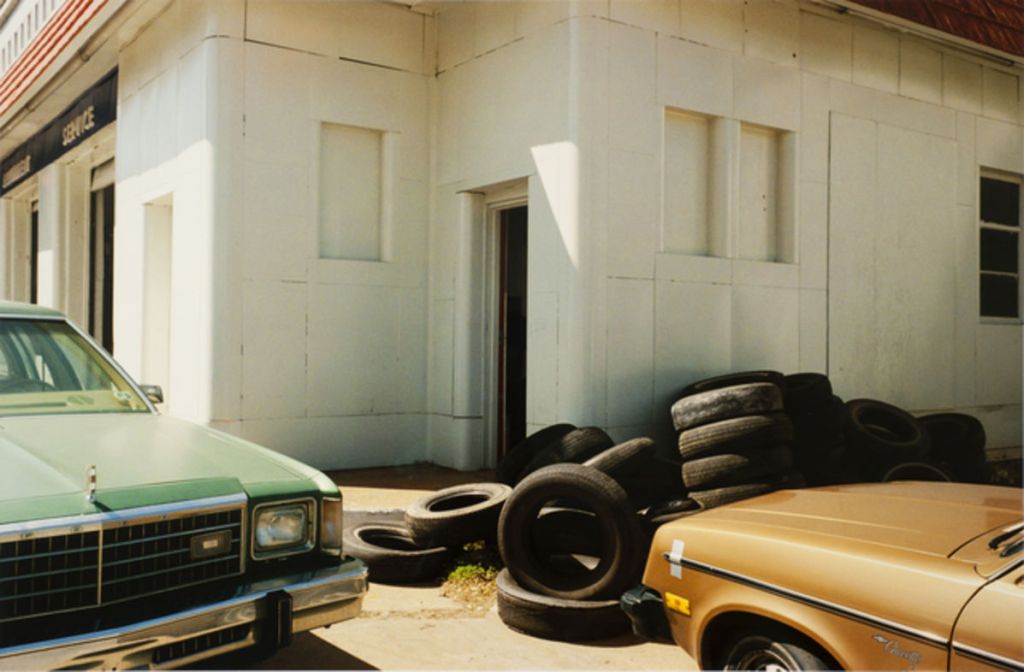
Being a photographer, essentially makes you a storyteller. However, one thing I’ve learnt from this degree, is that the story you intended to tell through your photographs’, isn’t always received in the same way by the viewer. I believe any image can tell a story – with, or without figures present – however, depending on the connection it has with the viewer, for example, on a geographical level – like Memphis – or, how ‘open’ it is for interpretation, may result in different meanings being conceived. Every time a photograph is taken, a snapshot of that moment is transferred either onto film, or into a digital file. Essentially, that image is an historical representation of someone, or something, and how long it remains a part of history depends solely on the photographer themselves – does it end up on the cutting floor, or deleted, never to be looked at again. A piece written by the ‘American Historical Association’, describes history as not “a collection of facts about the past”, but rather, “making arguments about what happened in the past on the basis of what people recorded at the time”. Of course, they are specifically referring to written documents, however, this thinking could also be applied to photography. For example, the image below – taken by Eggleston – could be a case in point between the relationship between tire production and the effects on the environment in doing so, and why they are a necessity in everyday life. Interestingly, I don’t believe Eggleston considers himself as a ‘history writer’. He rarely uses titles or caption to support his photographs, and says by providing dates of when his images’ were taken, “that’s just not about photography”.
Personally, I would consider myself a factual photographer. I’ve an interest in documenting real life moments and people, whilst capturing natural and genuine experiences and responses, which I believe are hard to replicate, if trying to create the same scene artificially. However, this course has allowed me to experiment with my photography in inventive ways, which I’ve certainly enjoyed and appreciated. I’ve been able to incorporate both factual occurrences, with fictitious ideas, to create projects exploring specific personal issues. Due to the creativity aspect involved, the narrative in these instances could be considered as obscure, resulting in a sense of fabrication surrounding the series. Though, I enjoy incorporating this amalgamation of fact and fiction, into my photography, I still much prefer making images’ that depict total reality, and don’t believe I will ever move away from this.
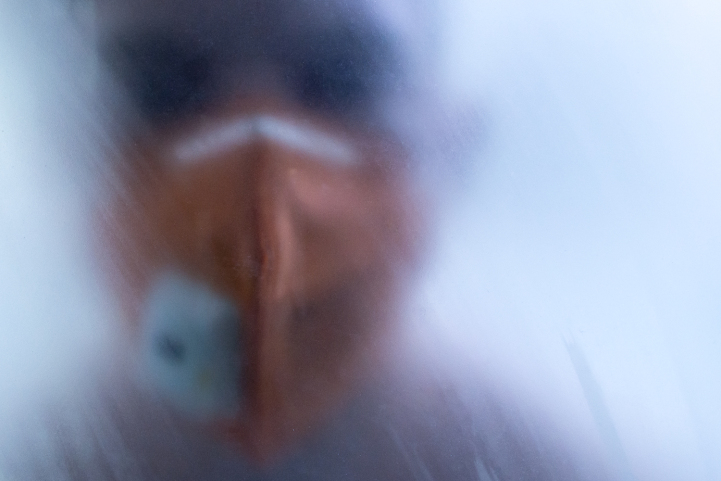
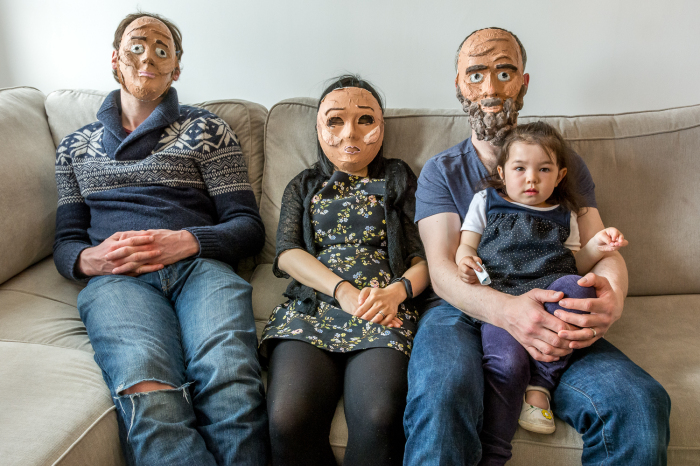
The topic of coronavirus and lockdown has been at the forefront of conversations over the past few months, and understandably so. However, I feel these discussions have certainly reduced over time, as most people have accepted the situation, and adapted to a new way of living – for the time being anyway. In the early days of the pandemic, when interacting with certain individuals’, I found their viewpoints on the matter to be fairly reserved. Of course, this was an unforeseen circumstance that quickly developed into what we are experiencing today, and even more so than now, was a period of utter uncertainty on many levels. I often wondered if, fear of the unknown, was the catalyst to these responses – or the lack of – and it became a coping mechanism for many, to not openly talk about their thoughts and experiences of lockdown.
For this assignment, I reached out to individuals’, whose lockdown stories I knew very little, or nothing about, and asked them to share their opinions on the matter. In the hope of receiving open, and honest feedback – unlike before – I requested they record their encounters in audio form, as I felt the perhaps daunting task of a face to face discussion, may result in information being withheld. In total, I collated eight stories – though only chose six to produce a total of seven images’ – and was pleasantly surprised by how in depth, truthful, and different they were to one another, reconfirming that though this is a global problem, the situation is very much a personal experience.
Not knowing in advance what was going to be said, I was unable to generate ideas for my photographs’, until all the stories had been listened to. A commonality that was discussed, related to the outdoors, and as I came to realise the significance this particular aspect of lockdown had on the participants’, I chose to depict within my images’, elements of nature. Though, there needed to be a recurring theme throughout the series, I wanted to make sure that the subject matter varied between photographs’. I believed by incorporating into the surrounding landscape, an item that specifically related to a selective part of the spoken text, I would be able to achieve this. However, I understood that each of the viewpoints discussed, would have to be different from the next, in order to make the process of selecting an appropriate item easier. And, though, this has no relevance to the relationship between ‘image and text’, by showing both natural and ‘man-made’ objects, juxtaposition between the two has been created. As I wanted the spoken text to add meaning to my images’ – rather than be descriptive of them – I tried to ensure that the items I selected, didn’t mirror the ‘words’ in literal form – though this wasn’t always achievable. This would also make certain that the intended narrative remained open for interpretation, making for a more meaningful project.
The decision to rework my video for assignment four was made easy, due to the simple fact that I wasn’t completely satisfied with what I’d produced initially. After I’d submitted my work to my tutor for review, I already knew the areas that I thought lacked quality and needed to be improved on for my assessment. This included the variation of lengths and volume levels between each clip, the total length of the video – which in my opinion was too long – and the general editing to refine the overall ‘flow’. However, as this was my first attempt at creating a video, I wasn’t too disheartened, and welcomed the fact that these noticeable enhancements were all part of my learning experience.
I also reached out to my fellow students’ for their feedback, and though most had the same thought process as I did, one comment that was shared with me a number of times, regarded the inclusion of a younger participant i.e. child, to counterbalance the already included elderly participant’s lockdown story. I felt this was a fantastic idea, as the understanding of the pandemic and the general feelings felt during lockdown, in theory, should be different between the two individuals’, and may offer an interesting insight into how, and why, vastly different generations are affected by lockdown. I chose to document my six year old daughter’s lockdown story, and though it wasn’t as detailed as the other’s, I was still pleasantly surprised by her account. I realised that I didn’t fully understand the impact that being off school and away from her friends for such a long period had on her, and it was apparent that she felt more comfortable sharing her thoughts via a recording. In regards to the image that supports my daughter’s story, though I feel it’s imaginative, it was certainly the simplest to create. However, I think it shares great relevance to her story and, like the other photographs, takes into account the relationship between natural and manmade objects.
Following the advice from my tutor, I decided to reorder the sequencing, in the hope that the relationship between the image and spoken text was easier to interpret, fundamentally helping the viewer determine the true meaning behind the assignment early on in the video. I believe I’ve now managed to achieve this, and with all the other changes made, the assignment is now ready for assessment.




 Iain Barbour - BA (Hons) Photography